

These Tiny Bugs Are Having A Huge Effect On Florida's 100-Year-Old Tree Infestation
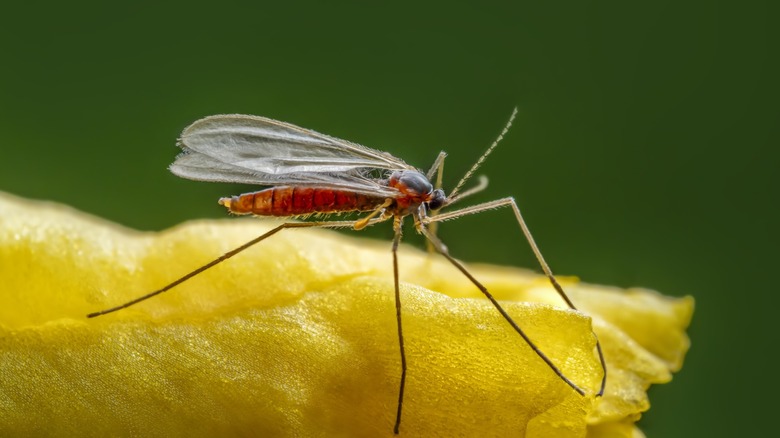
The proliferation of invasive species around the world is one of humanity's worst impacts on the environment, right up there with global warming and our continuing streak of record heat. As a major point of immigration, trade, and tourism, the United States has seen more than its fair share of these invaders throughout its history, but few states have been more affected than Florida. The Sunshine State suffers the worst invasive species crisis in the continental United States, as it is the primary port of entry for shipments of plants into the country, and hosts the world's largest reptile trade. The state has infamously been ravaged by Burmese pythons and invasive giant fish right off its shores, but there's a lesser-known invader wreaking just as much havoc. It's Melaleuca quinquenervia, the paperbark tree, native to Oceania, but now found throughout the Everglades. The invasion dates back over a century, but only in the last few decades have ecologists found hope in four species of tiny insects.
The bugs in question are Lophodiplosis trifida and L. indentata, both varieties of midges, along with Oxyops vitiosa, a weevil, and Boreioglycaspis melaleucae, a type of psyllid. Each of them attacks the invasive trees in different ways, and together, they have proven powerful. The USDA Agricultural Research Service reports that these bugs can cause a 99% drop in seed production, while also slowing the growth of melaleuca trees. The invaders have now been pushed back to just 10% of their peak land cover, a great success story in natural pest control.
How did Florida get overrun by Melaleuca trees?
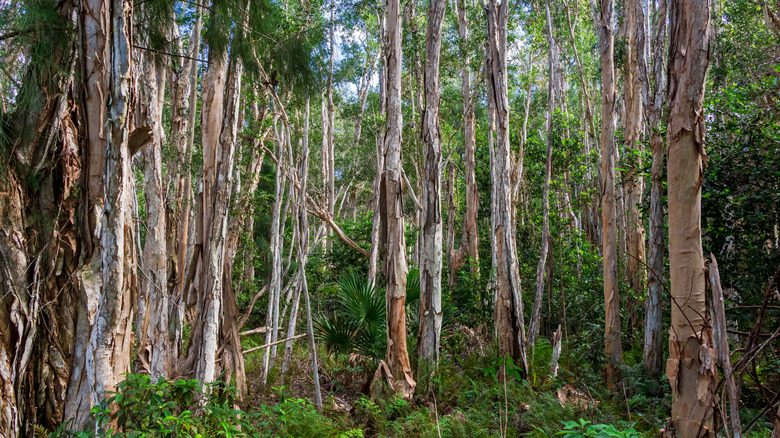
It's great to know that efforts to fight this invasive species are working so well, but you're probably wondering why this problem exists in the first place. How did M. quinquenervia, a tree native to Oceanic countries like Australia and Papua New Guinea, end up halfway across the planet in Florida? Many invasive species are introduced to the country accidentally, like the spotted lanternfly that's invading the East Coast, but paperbark trees were actually brought here intentionally. They were planted to provide ornamentation and shade, and were first introduced to Florida in the 1880s.
In the 1930s, the United States Army Corps of Engineers decided it would be a great idea to plant Melaleuca trees to support levees around Lake Okeechobee. They did this by dumping Melaleuca seeds out of airplanes over the Everglades, a short-sighted move that kicked the invasion into high gear.
Imports of Melaleuca trees ended in the 1950s, but the infestation did not slow down. Each Melaleuca tree can produce as many as 20 million seeds per year, which are carried by wind, water, animals, and vehicles all around the Everglades. By the 1990s, the invasive trees had infested roughly half a million acres. They have pushed out native plants, altered the course of local waterways, and destroyed the natural habitats and food sources of more species than anyone knows for certain. Removing all these trees by hand would be impossible, but that's where the insects come in.
How insects naturally battle invasive Melaleuca trees
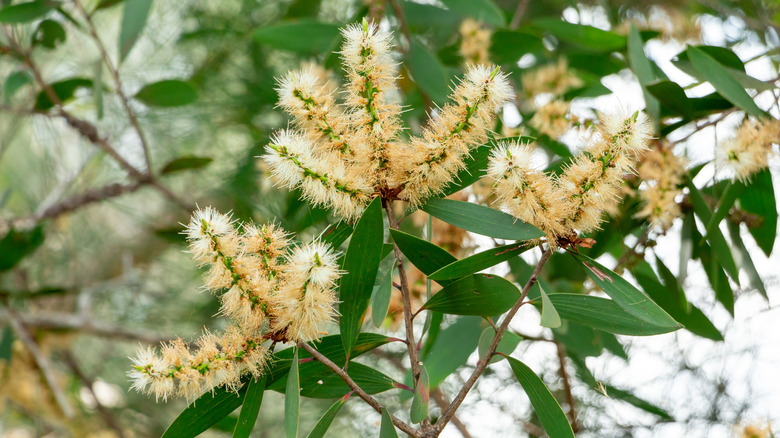
The insects being deployed to end Florida's Melaleuca tree invasion, L. trifida, L. indentata, O. vitiosa, and B. melaleucae, all combat the invasive trees in different ways. Both Lophodiplosis species fall under the group of gall midges. They lay their larvae on trees, which then burrow into the plant tissue, creating a protective bubble called a gall around them. The plants unwittingly shift their energy resources to feed the gall, and by proxy the larvae, causing the plant to inhibit its own growth. Treating Melaleuca seedlings with gall midges can result in an 80% reduction in growth, and because the midges do not grow on any other kind of plant, their galling power only threatens the invading trees.
O. vitiosa, the Melaleuca weevil, and B. melaleucae, the Melaleuca psyllid, both take a more direct approach: simply eating the invasive trees to death. Adults, and especially hungry growing larvae, love to chow down on the leaves of Melaleuca trees. The weevils bore holes through the plant tissue while the psyllids suck the fluids out of the plants, like a vampire sucking its victim's blood. The effect is especially powerful on new growth trees, making these bugs a particularly good means of inhibiting the future spread of Melaleuca trees. Like the Lophodiplosis species, these insects have an exclusive relationship with Melaleuca trees, so they should pose no threat to the native wildlife.