

Geckos Could Be An Unexpected Answer To Our Questions About Cancer
The animal kingdom is a source of countless inspirations and lessons for the scientific community. By mimicking the capabilities of animals, researchers invented tiles that keep buildings cool without electricity. Scientists are even examining animals to help conquer problems like cancer, and who better than a reptile with an unfortunate relationship with cancer? Last month, researchers at the University of Nottingham published a paper in BMC Biology about geckos and how they handle cancer. Or can't, in this case.
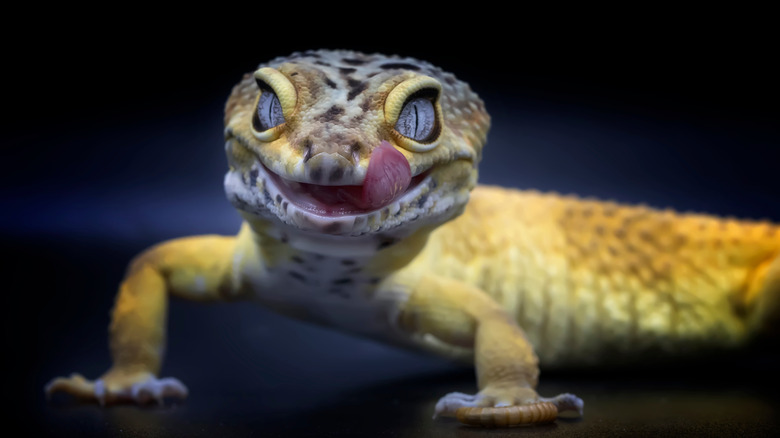
The subject of the document was no exotic pet but the lemon frost gecko, a particularly cursed breed that is infamous for its tendency to develop tumors that metastasize (spread to other parts of the body) way too easily, and often at a young age. Around 80% of the entire lemon frost population develops these aggressive tumors. As morbid as it may sound, the lemon frost gecko gives scientists the rare opportunity to study "how cancer begins, evolves, and spreads under natural conditions."
Unlike laboratory mice (the same ones used to test stem cells that could be used for cancer treatment), researchers don't need to "artificially trigger" tumor growth in lemon frost geckos; that just happens naturally. It's unfortunate for them, but the silver lining is that according to lead researcher Dr. Ylenia Chiari, it makes them the perfect model for cancer research, especially since their tumors share characteristics found in cancers in other animals, specifically humans.
Why are lemon frost geckos so cancer-stricken?
The study behind the research paper revolved around genome sequencing samples from lemon frost geckos. Researchers determined what genes were present in tumors, along with other common factors such as filament organization. The researchers concluded that the lemon frost gecko was "a promising model for cancer research." But that raises the question of why they are like this in the first place. Turns out "Futurama" was right: Humans are the most evil creatures of them all.
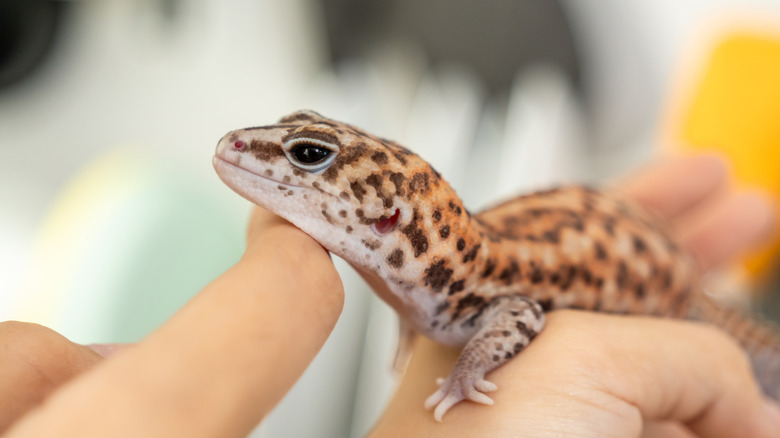
The lemon frost gecko is the result of a sudden mutation that cropped up in a colony of leopard geckos. People loved the animal's signature white and yellow coloration, so breeders used selective breeding to make more, but then came a plot twist: susceptibility to developing extraordinarily aggressive tumors. This knowledge made the gecko breed fall out of favor, and almost everyone who buys a lemon frost gecko knows about the ethical baggage that comes with ownership.
Lemon frost geckos making excellent cancer models isn't just because tumors are seemingly baked into their DNA. According to the University of Nottingham's study, many of the genes and processes present in these geckos' tumors are "linked" to cancers in other animals, most notably humans. If future studies can figure out how to reverse the genetic damage done to lemon frost geckos and get rid of their propensity for tumors (or at least make their cancer cells self-destruct), scientists will be one step closer to wiping out cancer and helping people live healthier lives.