

Why Are So Many US States Trying To Ban Data Centers?
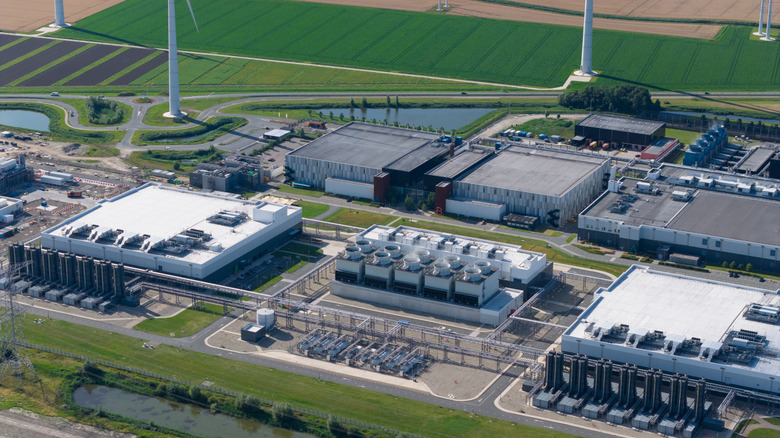
Data centers are a dirty word, it seems, as numerous communities are actively pushing back against these facilities. Not surprisingly, as there are plenty of pitfalls that local residents experience when data centers are built in their neighborhood, including spikes in energy bills. In select cases, U.S. data centers are coming for people's homes, with some homeowners even receiving eviction notices. The reason? Making room for new facilities. But locals aren't alone in this, as U.S. state legislators are actively trying to limit or outright ban the construction of new data centers in their respective jurisdictions.
Though there are parts of the Trump administration who argue that data centers are essential for the U.S. to strengthen its lead in the AI industry, critics are looking at the bigger picture. Maintaining data centers at an arm's length through moratoriums may allow lawmakers to carefully assess the effects of the new facilities on local resources. More importantly, it'll give local leaders more time to improve power grids.
At present, 15 U.S. states tried implementing moratoriums on data center construction, and not all were successful. While states like Delaware, Georgia, Michigan, Pennsylvania, South Carolina, and Vermont introduced moratoriums, only New York passed its moratorium on data centers over 20 MW. The moratoriums generally prohibit construction of new data centers until a certain date, with some exceptions like Vermont, where legislators require impact studies or aim to forbid local approval until a more detailed oversight framework is introduced (such as in South Carolina). Sadly, out of the 15, six moratoriums failed (South Dakota, Wisconsin, and New Hampshire, to name a few), while the moratorium in Maine ended up vetoed.
What about local moratoriums?
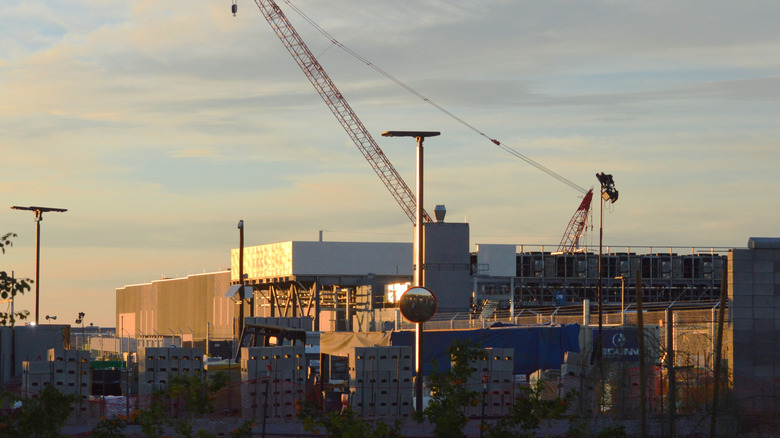
A huge number of data centers are set to be built in the U.S., despite the fact that 3,000 are already in operation, according to Pew Research. Considering that north of 1,500 new facilities are under construction, failed state moratoriums make it seem like the battle is already lost, so to speak. However, many local jurisdictions have successfully enacted bans on new data centers — over 150, to be exact.
For instance, various cities in California, including Monterey Park and Coachella, put limits on new data centers for at least a year, citing environmental concerns and public outcry. It's not just blue states like Washington and California that are actively pushing back. Take Alabama, a state that voted Republican in all election cycles since 2000. Plenty of cities have active data center moratoriums, including Springville, Leeds, and Homewood. A similar story is Indiana. Along with towns and townships, entire counties like Boone and Madison County said no to data centers.
The future is uncertain. Yet, a saving grace in the entire story is that this may not be a partisan issue. The fact that both sides of the political spectrum are opposed to the construction of new data center facilities, regardless of the aim (environmental or just concerns about utility bills), is a rare point of agreement in a country where clear division along party lines is often pushed to the forefront.