

Your Old Google Pixel Might End Up In A Data Center - But That Won't Stop E-Waste
Data centers are a hot topic, especially with AI creeping into just about everything. Artificial intelligence is integrated into smartphones, computers, and smart TVs, and it needs a lot of power. Every time a user searches using an AI chatbot such as Claude, ChatGPT, or Copilot, AI data centers use water and electricity to complete that search, which adds up to a large amount. This can cause problems for local residents in the form of increased bills and potentially a lot of e-waste, but one study looks to help reduce the amount of e-waste.
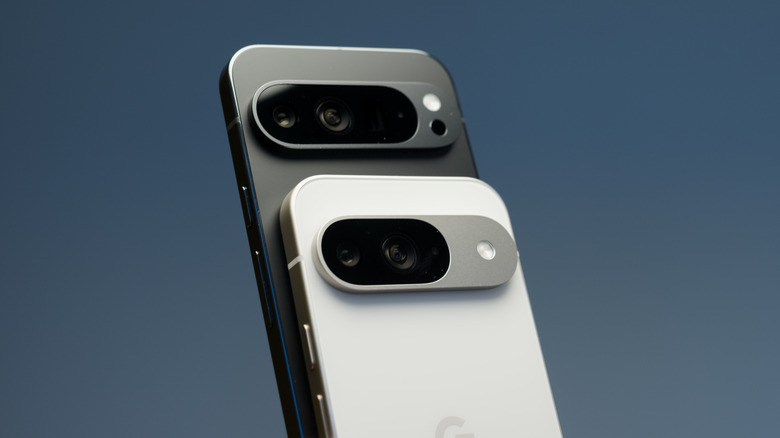
In an effort to decrease the amount of e-waste in the world, researchers are using old Google Pixel phones and turning them into clusters to power small scale data centers. Scientists at the University of California (UC) San Diego are repurposing discarded Pixel phones and using the motherboards from the devices to create a low-cost, low-carbon way to power cloud computing systems. The old hardware is being pulled from more than 2,000 phones that, once combined, will be powerful enough to act as a computer for education and research.
The goal of the project is to reduce the total carbon footprint created by tossed-out devices. Google and UC San Diego state these parts feature the largest amount of embodied carbon, around 50%. The study revealed that a cluster of 20 devices produced enough power to supply a classroom of more than 75 students. The results were a step closer to supporting the evidence that 2,000 phones could power 100 classes simultaneously. It's a valiant effort, but the project, as it is, is too small to effectively fight against the damage caused by technology at the large scale it is disposed of.
Data centers and the problem of e-waste
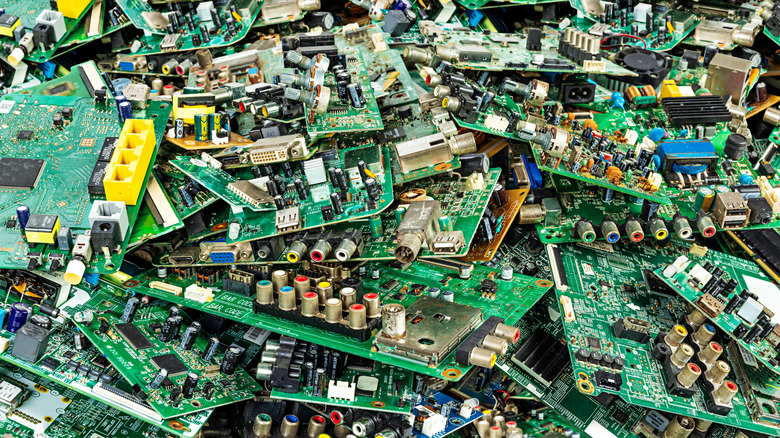
The research being done by Google and UC San Diego seeks to cut down on the amount of e-waste caused by discarded smartphones. Collecting Pixel phones and other devices that have been thrown out can help out the environment by cutting down on how they pollute it. Devices that aren't tossed out responsibly are considered e-waste due to their harmful carbon footprints. They can damage habitats and hurt people, animals, and plants by leaking toxic metals, corroding batteries, and breaking down plastic.
A report shows that, on average, people get a new phone every four years and toss out the old one. Their hardware, such as RAM, storage, and processors, may still work, making them useful in research studies. You may not be interested in your old device, but there are ways you can repurpose your old phone without impacting the environment. You can turn it into a security camera, use it for gaming, use it as a TV remote, or donate it to a good cause.
Data centers have been linked to e-waste and increased data center emissions as well. The thousands of data centers in the U.S. reportedly go through servers, parts, and computers and toss them out when they are no longer needed. If you want to do the planet some good, consider keeping your phone around and only replacing it when you absolutely need to in a way that is friendly to the environment.