

How Much Smartwatches Cost In 2016 Vs. 2026
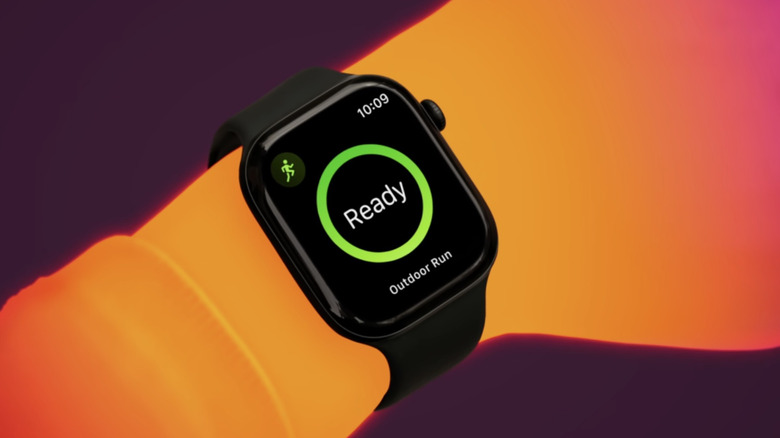
Prices have significantly risen since 2016, from groceries and gas to cars and clothing. Apple hasn't escaped the trend, either, with the iPhone 7, for example, starting at $649 when it launched in 2016, compared to $799 for 2025's iPhone 17. If you take a look at the Apple Watch, though, you may be surprised. When the Apple Watch Series 2 landed in 2016, it started at $369. Fast forward to 2026, and the Apple Watch Series 12 starts at $399, marking an increase of just $30. Meanwhile, a number of other smartwatch brands have experienced more dramatic price increases.
Some of these comparisons, however, aren't like-for-like, as device product lines and their place in the market have changed over the years, but they still offer some useful insight into how prices have moved. Samsung's Gear S3 Classic smartwatch, for example, started at $350 in 2016, while the comparable Galaxy Watch 8 Classic, which launched in 2025, starts at $420, as of this writing.
Meanwhile, Garmin's higher-end Forerunner line has climbed from $450 for the 735XT to $550 for the Forerunner 570, which also launched in 2025. The simpler and more modestly priced Pebble 2 smartwatch cost $99 when it landed on Kickstarter in 2016, before being given a $129 retail price. The Pebble Round 2 arrived in 2026 with a $199 price tag, double that of the Pebble 2 launch price a decade earlier. But whether it's an extra $30 for an Apple Watch or $100 for a high-end Garmin, what do you get for the extra money?
More bang for your buck
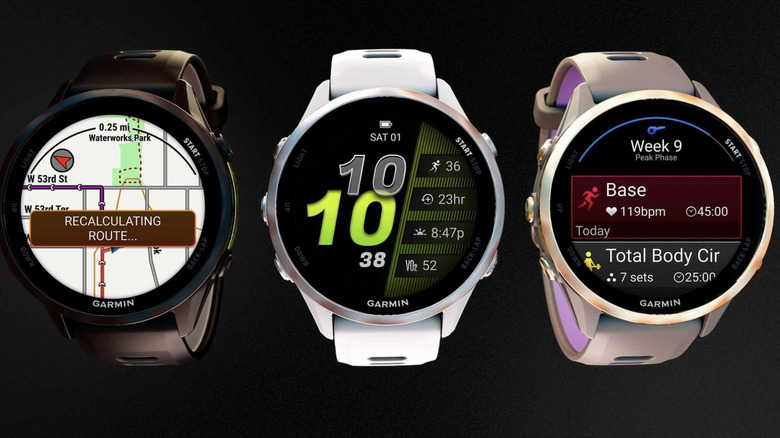
In 2016, both the Apple Watch Series 2 and Garmin's 735XT smartwatches could track exercise. Looking at Apple's efforts, it has been working to add more features, with the Series 12 taking background heart-rate readings every five seconds, giving it the most frequent heart-rate sensing yet on an Apple Watch. Unlike the Series 2, the 12 also offers hypertension notifications, ECG functionality, blood oxygen rate, sleep tracking, and wrist temperature sensing, as well as fall and crash detection, international emergency calling, and an Emergency SOS feature.
The newest model also has a faster, more powerful chip, better battery life, fast charging, and an always-on display. Not bad for a $30 increase. Garmin's Forerunner 735XT, on the other hand, was already a serious multi-sport smartwatch with GPS, wrist-based heart-rate monitoring, running dynamics, cycling/swimming metrics, and support for triathlons. The newer Forerunner 570 smartwatch takes things a lot further, adding a brighter AMOLED display, contactless payments, onboard music playback, multi-band GPS for improved positioning, and a much broader range of training and performance metrics.
It can also suggest daily workouts and wrist-based running power, while its health features include HRV status and stress tracking. Just like the Apple Watch Series 12, there are improvements to the basics, too, including longer battery life. The 570 is clearly a much more advanced watch than the earlier comparable model, but while Apple has added plenty of functionality for just $30 more, Garmin has added another $100 to the 570's price tag for its new features. So where might smartwatch pricing go from here?
Are smartwatch prices about to jump?
Pricing for electronics, including smartwatches, could look very different over the next decade. If you follow the news, then you'll know full well that the AI boom is already putting pressure on the wider semiconductor industry, as chipmakers divert manufacturing capacity toward components needed for AI data centers. The shift is creating a squeeze in the supply of memory chips used in consumer electronics, pushing up costs for manufacturers.
Gartner forecasts that prices for critical memory and storage components could increase by as much as 130% by the end of 2026, with price hikes for smartphones estimated at 13%, and for PCs 17%. And smartwatches appear unlikely to escape the same pressures; as in its own analysis, CCS Insight said it expects average prices for the device to rise by 12% in 2026, partly because of higher component costs as manufacturers deal with the memory shortage.
But it doesn't necessarily mean that Apple will suddenly hike the prices of its smartwatches by 12%. That's because companies can choose to absorb at least some of the higher costs, or take other measures such as changing components or adjusting their product ranges. However, after a decade in which Apple has managed to keep its smartwatch prices remarkably stable, the current market conditions may make it hard for the tech company to avoid upping its prices going forward. As for where Apple Watch prices will be in a decade from now, though, we'll leave that prediction to braver folks.