

From Pest To Essential Service: How Cyborg Bugs Could Become First Responders
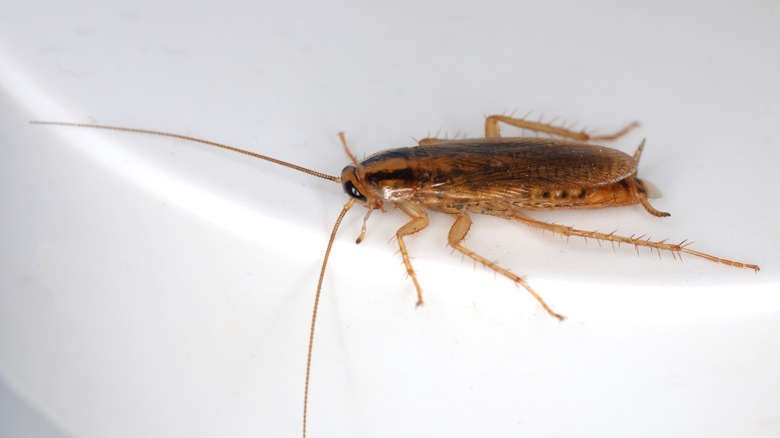
Giant cockroaches may be used to help search and rescue teams find and help people trapped beneath rubble after a disaster. It may sound like a science-fiction movie, but the work is actually being done by a crew of Australian researchers in Sydney. The insects are outfitted with tiny backpacks containing syringes, medical supplies, and cameras all in an effort to deliver life saving medical drugs to anyone who may be injured.
The project done by scientists at the University of Queensland and the University of New South Wales involves creating cyborg-like cockroaches that researchers are calling "paraborgs." Each is equipped with miniaturized equipment to help people trapped such as a small syringe that functions like a dart gun. Scientists can remotely launch the syringe at a target delivering life-saving medicine into them. This system could potentially be used to help victims who have been bitten by a snake or another similar type of injury such as an allergic reaction. The bugs may be pests, but they are being tested to help save lives.
The cockroaches are controlled by implanted electrodes that allow operators to stimulate the bugs' nervous system to steer them. They are outfitted with tiny cameras that will allow search teams to view what the cockroaches are seeing so they can have a better idea of what needs to be cleared and how to reach anyone who may be stuck.
The details of these cyborg bugs
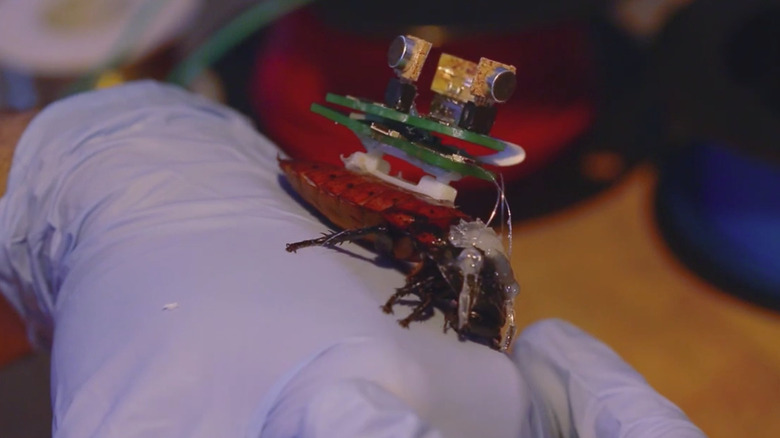
The cybernetic bugs are a Queensland species known as the giant burrowing cockroach or Macropanesthia rhinoceros. As their name suggests, they are quite big, large enough to handle the load of a tiny syringe, electronics, and camera system on their back –- similarly to the cyborg cockroaches China is mass-producing. All that tech is a handy tool that can assist search teams with reaching victims who may be trapped beneath rubble or otherwise injured after a disaster.
Since the giant cockroaches are able to reach areas no human can fit, the tech on their back is capable of being remotely activated to trigger their syringe darts to deliver medicine to anyone who needs it. Scientists say by augmenting the cockroaches natural biomechanics, they could effectively guide the cockroach through the rubble of a disaster area to find and assist anyone trapped in the debris.
Test studies conducted found that there was a 100% success rate in cockroaches reaching checkpoints. Firing the syringe at these points, scientists recorded that there was a 72% success rate in delivering drugs to targets. That success rate increased to 95% when the syringe was fired from within 6 inches of its target.
The challenges with search and rescue missions
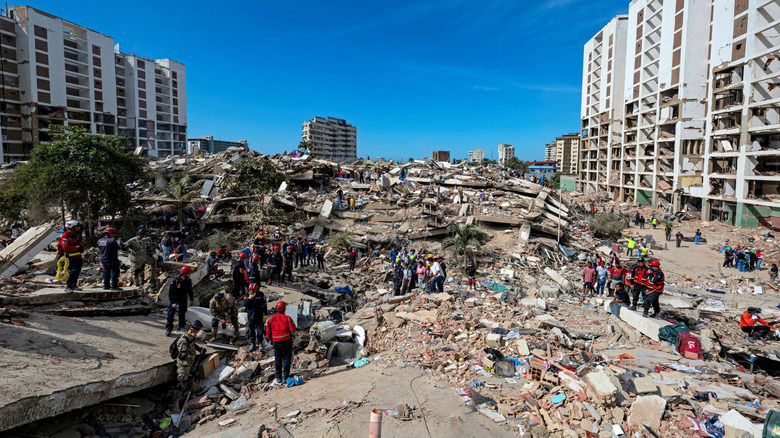
There are many obstacles search and rescue teams are faced with in the field. Finding and rescuing people who may be trapped within debris that is too dense for a human to work their way through effectively and safely is one of them. That is why the giant cockroaches are being used to assist teams with searching for and delivering drugs to anyone who may be in danger. It's similar to how a handheld device saved a U.S. airman in Iran.
One of the biggest challenges search and rescue teams deal with is time. The faster a team can locate and help people in an emergency, the higher the chances of success. By using the cockroaches to find people, search and rescue teams can send them into places they are unable to reach quickly. The insects can move through debris and the search teams can use their attached cameras to see what is going on. This can improve speed and accuracy for finding and rescuing trapped victims.
Fatigue is another issue that search and rescue teams can encounter. Moving debris out of the way can take a toll on anyone since the rubble can be heavy and cumbersome. By using the camera system on the cockroach, one could potentially find a more direct route to reach those who are trapped. This can reduce fatigue as search teams could find a new route they did not see beforehand.