

Your iPhone Camera Isn't Equivalent To A DSLR Camera — Here's Why
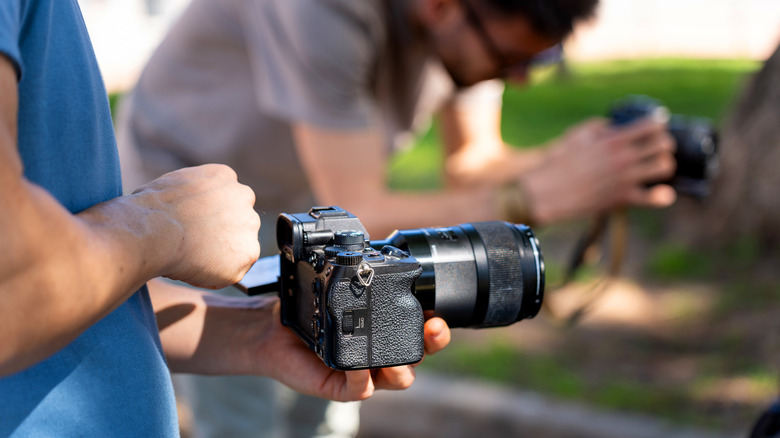
DSLRs aren't iPhones. That much is obvious, but it's also clear that iPhones can compete with DSLRs and even more advantageous mirrorless cameras on image quality and overall portability. And yet, both serve as great tools in the worlds of amateur and professional photo and video. So, what really sets them apart from each other? Well, for starters, size matters in optics.
The iPhone 18 Pro and Pro Max's rear camera systems feature three sensors: the main one measures roughly half an inch on the diagonal; the others sit at about a quarter of an inch. With ultra-wide, wide-angle, and 4x telephoto focal lengths, they provide a more versatile package compared to a fairly basic Canon Rebel T7. The T7's single sensor, however, has nearly triple the surface area of those three sensors combined, meaning it can absorb more light information and get a better grip on difficult lighting conditions than the iPhone.
That said, large sensors require large lenses. They come in all sorts of sizes and can cost a pretty penny depending on how much precision-crafted glass they contain as well as how many servos they have — whether they're used to move aperture blades around or, if it's a video lens, power the actual "zoom" movement. From size and form factor, the differences continue to flow into each device's intentionality.
The iPhone is meant to do anything
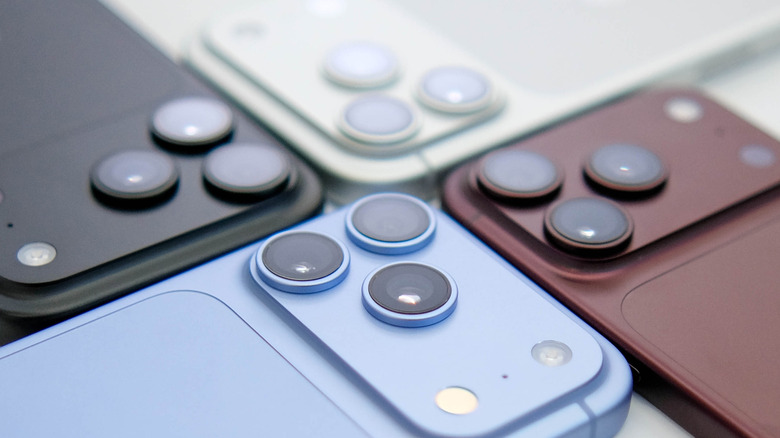
Smartphones have enabled instant flows of information: You take a photo or video, upload it somewhere, and word starts to spread about it. They're also designed to play games, doomscroll, and do all sorts of tasks that we don't ask of other computers. All these wants and needs are served to differing levels of attention, cost, and mainstream appeal. At the end of the day, however, all of it needs to fit into your pocket. This tangible tension between portability, utility, and priority led us to where we are with the iPhone 18 Pro and Pro Max.
In addition to its three different focal lengths, its rear cameras can produce shots at intermediate lengths using Apple's Fusion processing techniques — quick, successive exposures at the full 48 megapixels and a more light-sensitive 12-megapixel mode are composited into a 24-megapixel product that, ostensibly, is more lively and detailed than if the phone had just taken a cropped shot straight from a sensor, then upscaled it. The main camera on the iPhone 18 Pro series also features a variable aperture mechanism just like on lenses for mirrorless and DSLR cameras. Variable aperture has appeared on cameras in several prior Android phones, but it's never had staying power as a feature in that sector. It remains to be seen if Apple will keep it on the roster for future iPhone Pro models.
These solutions require loads of processor power, moving parts, and ingenuity to achieve, and they lead to pretty good results, all things considered. It's a stark contrast, though, to how you use a DSLR.
The DSLR isn't meant to do everything
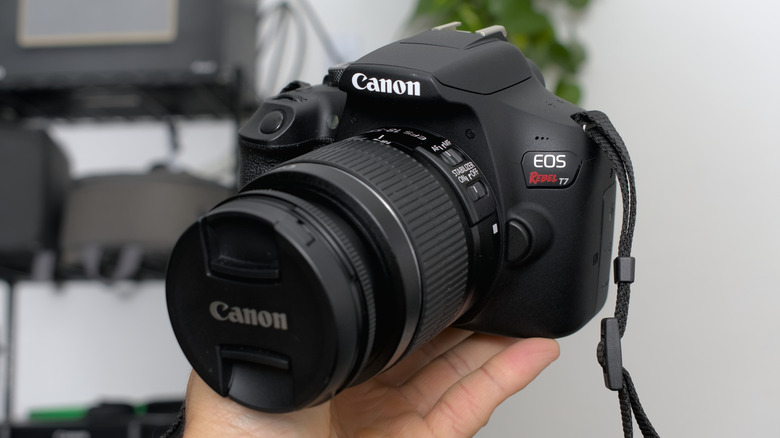
Cameras have come through a torrent of evolution over the past couple of centuries. Most of the bulk in a DSLR, for example, comes from a mirror box in front of the sensor that takes and splits incoming light between an optical viewfinder and a phase-detection autofocus sensor, technology that's been widely used since the 1980s. Pressing the shutter button triggers a mechanism lifting the box out of the way of the sensor for an exposure. Today's mirrorless cameras, as their name suggests, use different techniques to achieve autofocus and view finding, obviating the need for a mirror box and allowing for more compact designs.
Even with those changes and more to come, dedicated digital cameras still contain more buttons, dials, and interfaces that are dedicated to the act of imagery, and their ecosystems reflect that dedication. Their chipsets might be simpler than those of smartphones, but they don't have to run "Subway Surfers" or make a phone call. As equipment scales in size, contingent equipment does as well. Making the jump from APS-C to full-frame lenses means more precision-crafted glass and higher prices. Premium zoom and video lenses have the added cost of servo motors for smooth, powered movements and snappier autofocus.
It's all well and good to pick up accessory lenses for your iPhone cameras, but if you're thinking hard about getting into photography, you'll want to consider what you're trading away not just in the final JPEGs, but in your equipment and how that affects your shooting experience. If you find a certain ease or joy in that journey, then you intuitively know the difference between an iPhone and a DSLR.