

Is There Any Point In Buying A Radio In 2026?
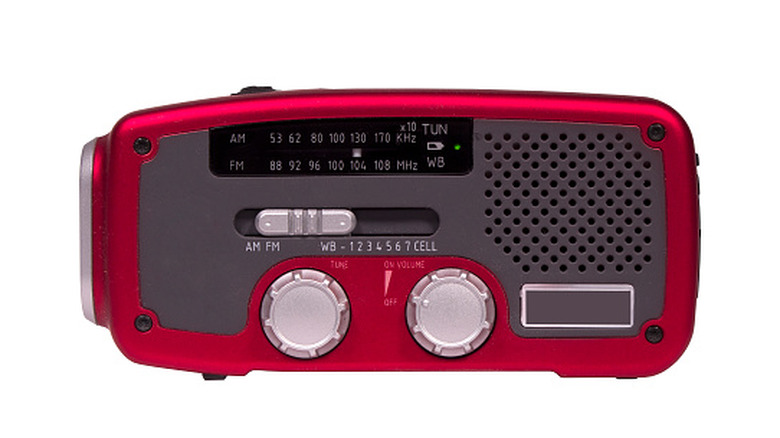
Picking up a radio in the 2020s might sound like a weird thing to do. After all, lots of us power through our commutes listening to music and podcasts with the help of an Android Auto or CarPlay infotainment system, or a janky Bluetooth-to-tape cassette adapter. It's not like there are a lot of good alternatives, either, as broadcast industry continues to cut investments in new entertainment, and consolidate instead. But there is one major reason to buy a radio: It might be the only thing keeping you connected during a disaster.
Radio waves can blast far further than cell signals, meaning any radio can pick up AM, FM, or dedicated weather broadcasts, even if the nearest towers are many miles away. Those broadcasts can blare an alarm when your area is under a severe weather watch, or send you a warning about more information to come.
They don't have to just be for emergencies, either. Some government agencies even broadcast weather and traffic information for hikers and campers in California's Yosemite National Park.
But they're especially helpful during natural disasters. Radio broadcasts were vital links in mountainous North Carolina during the landfall and aftermath of Hurricane Helene in 2024. Residents even called in to a local station to relay pleas for help. When the lights go dark, the roads get washed out, and the cell towers go down, all you need to stay informed is a weather radio and just enough clear air between you and a station's transmitter.
What to look for in a weather radio
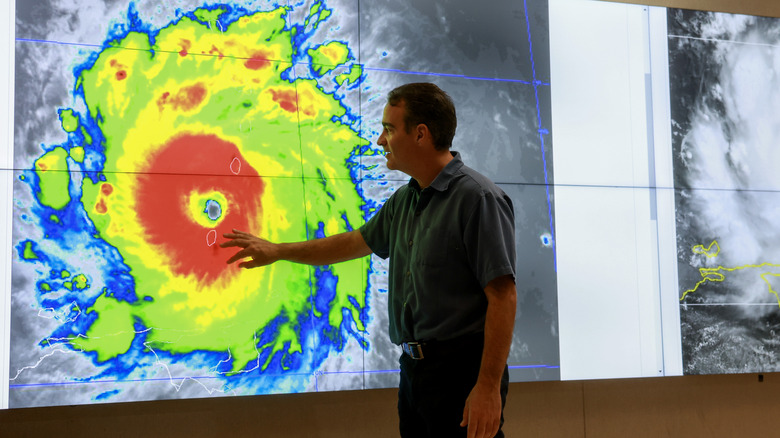
The National Oceanographic and Atmospheric Administration, or NOAA, maintains localized Weather Radio services on more than 1,000 stations across the country, all of which are also listed on its website. Take note of their frequency as an NWR station transmits on any of seven dedicated wavelengths just outside the regular FM band.
There are a variety of weather-oriented radios at large retailers including Amazon, Walmart, and Best Buy, as well as home improvement stores like Ace Hardware and Home Depot. The radios themselves come from brands like C. Crane, Jensen, and Midland. Nearly all of them take power from an outlet, or can optionally work with disposable and rechargeable batteries. If you live farther away from commercial and public services, consider getting a radio with a crank generator or a solar cell and embedded rechargeable battery. Some radios even let your charge your phone if your wall outlets don't work.
Ideally, you should get a radio that can activate from Specific Area Message Encoding or SAME. If you've heard the three loud beeps that precede an Emergency Alert System broadcast, special tones are encoded that contain SAME codes corresponding to specific counties, parishes, and marine areas. You can turn on NWR reception without audible playback before heading to bed. Then, as an EAS message begins, if your area's SAME code is transmitted in the initial beeps, your radio will activate its alarm to wake you up and let you prepare for dangerous conditions. Many weather radios can be programmed to alert for different types of weather warnings for multiple areas covered by a particular station by putting in SAME codes or navigating through country, state, and county menus.
Your phone and internet radio don't compare to a weather radio
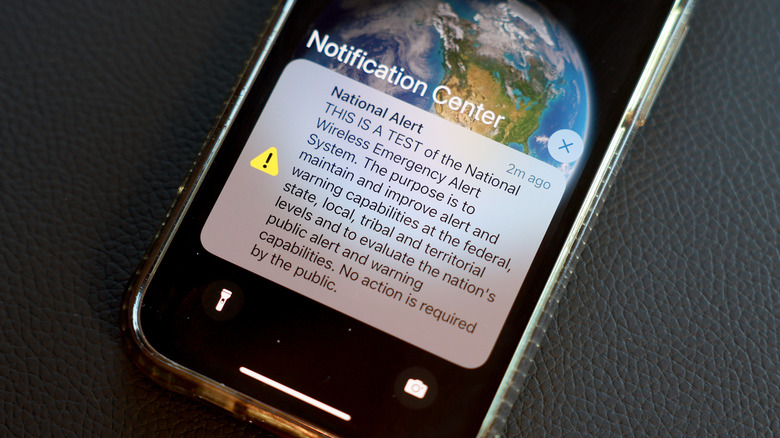
There are other ways to receive warnings other than through weather radios, but they may not be as reliable or timely. For example, smartphones in the U.S. are capable of receiving Wireless Emergency Alerts for a variety of national and local events, including for weather. That said, even if a phone has an internet connection and is set to receive WEAs, people have reported delays in receiving an alert or, worse, never getting one without a clear reason why. (If you're reading this prior to November 17, 2026, you should prepare for a national emergency alert test on that date.)
If you do have access to the internet, you can tune into many NOAA Weather Radio stations through services such as TuneIn. Those streams, however, go through a series of content distribution servers and, in many cases, dynamic ad insertion before arriving at your device. Even then, your player app still needs to build a local buffer. These processes can add seconds or even minutes of delay from a live over-the-air broadcast that you could receive from a weather radio.