

4 Major Tech Brands You Might Not Realize Are Owned By French Companies
When consumers think about countries where major tech brands are based, the U.S., China, Japan, and South Korea are usually first to ring a bell. France doesn't really come to mind as a major tech brand hub, but the country punches above its weight in this area. Several brands and applications used by millions of people worldwide were either founded there or are owned by French companies. In fact, the country has seen a resurgence in its tech industry as it has transitioned from its days as a highly bureaucratic market into one of Europe's main technology startup capitals. French-owned tech brands have steadily been growing a significant presence on the global stage, offering highly innovative smart glasses, gaming peripherals, social media apps, and even health-focused devices to users around the world.
This is thanks in part to the French government, which has played a role in ensuring that emerging tech companies receive support to help the industry thrive. While most of the country's recent investment and support has gone toward AI, biotech, quantum computing, and space technology, the French consumer technology industry has delivered some surprisingly popular products and applications that are well known even in the United States.
Popular consumer electronics brands like Withings have benefited from the support of government bodies like La French Tech, which is responsible for the implementation of public policies that promote the growth of the French tech industry. We'll dig into four of the most popular consumer tech brands that are based in France or have French ownership.
Ray-Ban Meta (EssilorLuxottica)
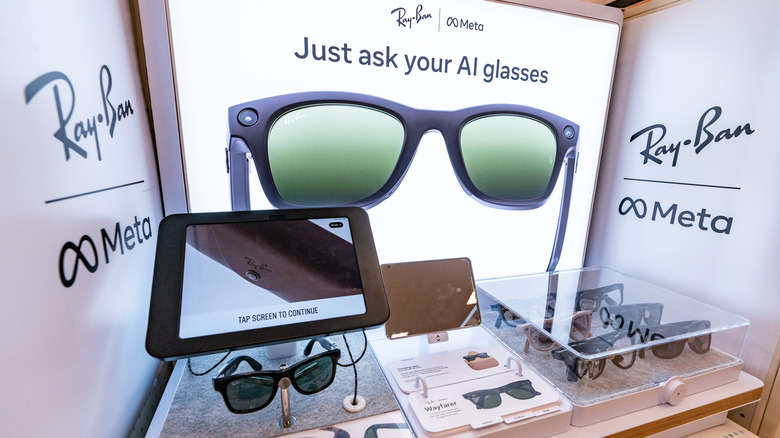
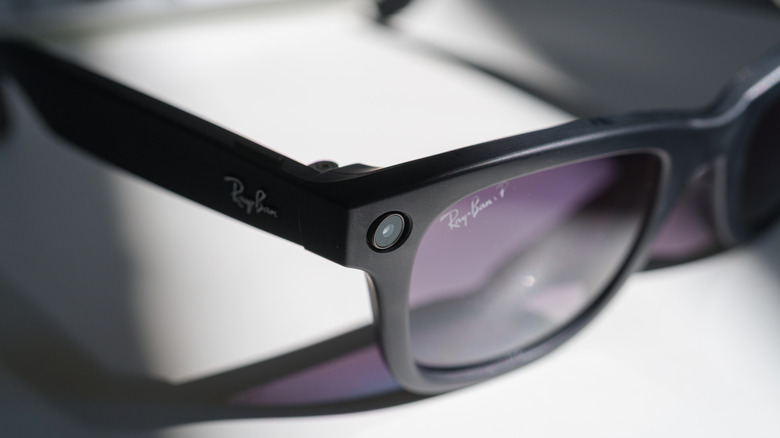
While the name EssilorLuxottica might not ring a bell with most people, Ray-Ban Meta and Oakley Meta smart glasses certainly require no introduction. The French-based company has produced world-leading smart glasses in partnership with Meta that are sold and used by millions, with distribution expanding steadily. The company was responsible for the design, frame development, optics, and retail distribution of these smart glasses, while Meta provided the software components. In its 2025 full-year earnings report, EssilorLuxottica reported that Ray-Ban Meta and Oakley Meta smart glasses sold over 7 million units in the 2025 financial year.
EssilorLuxottica was established in 2018 after a merger between the French company Essilor and Italian company Luxottica, and is headquartered just outside Paris. The company has one of the largest sunglass distribution networks globally, which has helped its Ray-Ban and Oakley Meta brands to dominate the smart glasses market. While the glasses have had their fair share of controversy over privacy concerns, sales have been very strong, holding a 69.2% market share as of Q1 2026.
BeReal
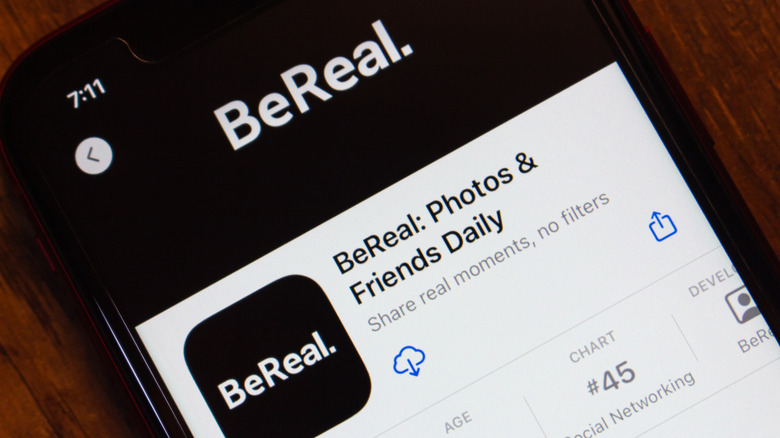
BeReal is an alternative social media app that was acquired by French mobile gaming company Voodoo in 2024. At its peak in 2022, BeReal was one of the most downloaded mobile apps in the U.S. and several European countries, supported by a base of Gen Z users who loved the app's authentic angle compared to mainstream social media apps. Apple named it its app of the year in 2022. Voodoo bought the brand for 500 million euros after losses started to mount in 2024.
Voodoo is best known for its development of mobile gaming apps, collectively boasting around 8 billion downloads across its gaming and entertainment portfolio. The company was formed in 2013 in Paris, France, where it is still headquartered today.
BeReal is known for its difference from other social media platforms: Its users don't get to choose when they're prompted to post. The app sends a notification at a random time each day, warning that the "BeReal moment" has begun. Users then capture authentic moments of whatever they happen to be doing at that time.
BeReal was launched in 2020 by two former GoPro employees, and the app saw major adoption over the next two years, reaching 15 million daily active users in 2022. Voodoo acquired BeReal in 2024 after the company failed to deliver any profits, losing around $3 million per month. Once the acquisition was through, the app began generating revenue — and while BeReal doesn't have nearly the same size user base as it had at its peak in 2022, the app still has around 40 million monthly active users today.
Withings
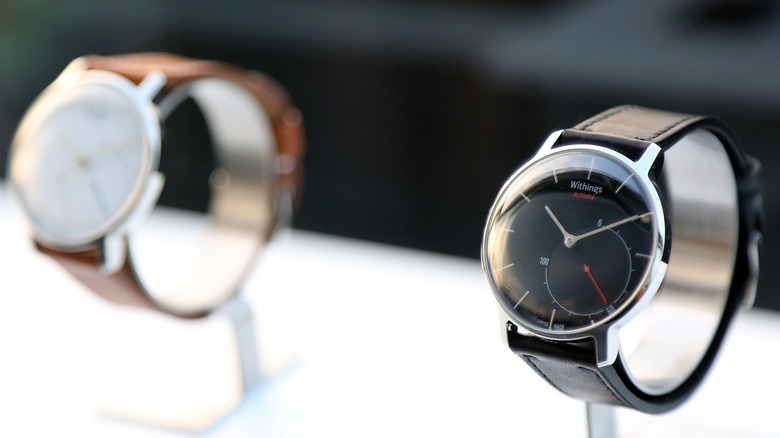
Withings is an independent French health tech brand specializing in smart scales, hybrid smartwatches, trackers, thermometers, and medical sample processing equipment. The company was founded in 2008, starting with smart body scales and gradually expanding its product offering over time. Withings was eventually purchased by Nokia in 2016, only to be bought back by its original owner two years later.
The company embarked on a funding round in 2020 and received an investment of 53 million euros from several French entities to develop its offering of remote medical monitoring devices and a patient information sharing application. This strengthened the brand's position in the healthcare sector. The company has developed a complete ecosystem of interlinked devices that help end users monitor their health and detect early signs of illness.
Withings launched a first-of-its-kind four-in-one health check device called BeamO in 2024, which can give users a more comprehensive picture of their health while at home. The company's devices are sold globally and a 2025 financial analysis indicates that the company's largest market is the U.S., which contributes approximately 26% to the brand's e-commerce revenue.
RIG gaming headsets
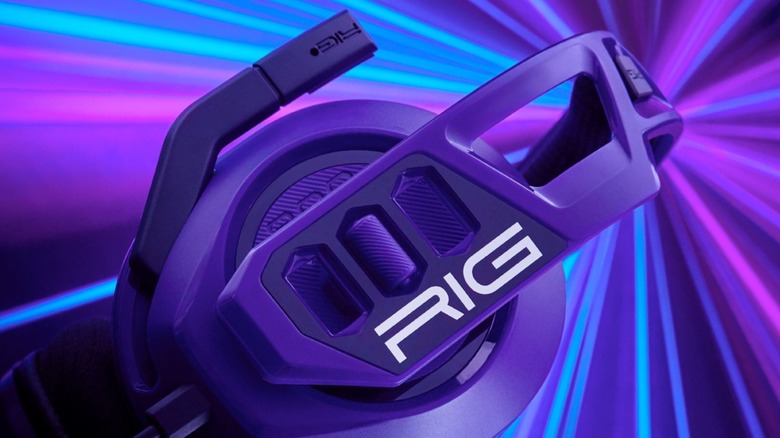
RIG is a well-known gaming headset brand owned by French company Nacon, which is controlled by French group Bigben. The RIG line of gaming peripherals is purpose-designed for consoles and PC gaming. RIG was first introduced by Santa Cruz-based Plantronics (later renamed Poly), which launched the first model of the RIG line in 2013.
The company continued to develop a global customer base for the RIG brand until Plantronics decided to sell the line of headsets to French company Nacon in 2020. The move enabled Nacon to enter the gaming headset market with a strong customer base in North America and established distribution networks.
Evo announced a global partnership with Nacon in 2025 that saw RIG become Evo's official headset partner for its gaming exhibitions, solidifying the brand's affinity with gaming enthusiasts globally. Even though RIG is so popular with gamers, it doesn't necessarily mean that it has been profitable for Nacon.
As of 2026, Nacon finds itself in the midst of a restructure, with 2025-2026 revenue showing a 4.3% decline on the previous financial year. While there is as yet no indication if the RIG line faces the prospect of restructure or liquidation, only time will tell if the brand can return to healthy profit.