

Critics Loved Colin Farrell And Rachel Weisz's Sci-Fi Movie, But It Flew Under The Radar
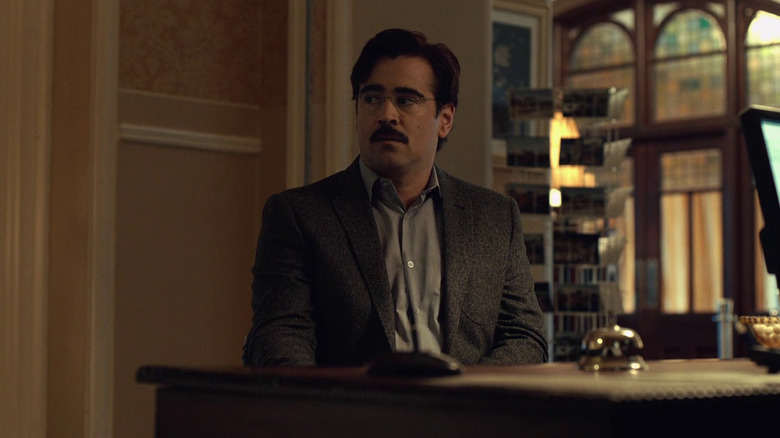
Nobody makes films like Yorgos Lanthimos. Even if you can detect influences from legendary filmmakers like Andrey Tarkovsky, Stanley Kubrick, or John Cassavetes, his movies are so singularly weird and obscure that they stand on their own in contemporary mainstream cinema. His first English-language flick (after making four features on home soil in Greece), "The Lobster," starring an acclaimed roster of actors like Colin Farrell, Rachel Weisz, Olivia Colman, and John C. Reilly, is no exception. The dystopian black comedy is a collection of wild yet brilliant ideas that stretch beyond traditional narrative boundaries and end somewhere in the deep psyche. It's a movie that feels both innovatively artistic yet just approachable enough for wider audiences who are open to going on a bonkers trip unlike anything else.
Given its richly peculiar, slightly experimental nature, it's hardly surprising that while critics adored its strangeness, general audiences weren't as impressed, which affected its moderate box office performance—grossing $17.5 million worldwide against a €4 million budget. The plot follows David (Farrell), a newly single middle-aged man after a failed marriage, who's forced to move into a hotel full of loners like him after his separation. As it's explained to him by those who run the place, he has 45 days to find a partner and fall in love, and if he fails to do so, he'll be turned into an animal of his choosing. He chooses a lobster, reasoning they live long and stay fertile their whole lives. The days pass quickly without success, although David finds companions who make his stay easier. But as his last day approaches, he has to decide to either face his sad fate or make a run for it and hide in the woods with other escapees.
The Lobster is pure satire at its most inventive, provocative, and scathing
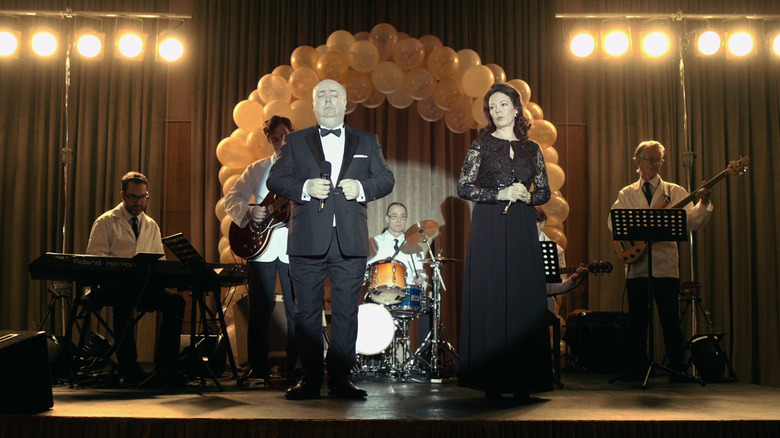
With a sharp focus on the trappings of romantic relationships and singlehood, Lanthimos ridicules conventional societal norms while also capturing the poignant trepidation of people desperate to find a partner, no matter how much they have to bend the truth about themselves. Naturally, much of the picture is exaggerated mockery, mixed with some of the most absurd situations and uncanny dialogue that's often hilarious but also introspective. Beneath the laughter David and the other hotel residents elicit from us, a lurking sense of discomfort lingers. That's all by design, and when the first brutal transgressions happen before our eyes (violent undertones in Lanthimos's world are always present and ubiquitous, including murder), the sense of urgency becomes palpable real fast.
Although the unfolding of the story is pretty straightforward, the film never gives easy answers to its dilemmas, forcing us to interrogate our own thoughts and emotions about real vs. feigned affection. As much as Lanthimos revels in making fun of a society whose human existence is dependent on whether they're able to find a spouse or not, he observes both sides of the equation equally. Unexpectedly, David falls in love in the second half by accident, when he's in fact forbidden to do so. At that turning point, "The Lobster" becomes a beautiful, if still somewhat facetious, meditation on two people finding love in an ostracized group where intimacy and flirting are punished by some truly abhorrent physical chastising.
Throughout the movie, Lanthimos gradually replaces despair with hope and fulfillment, only to rip it all away in a sobering finale that's both ambiguous and heart-shatteringly candid about the choices we humans make, often to our own detriment.
Utterly sublime visual poetry
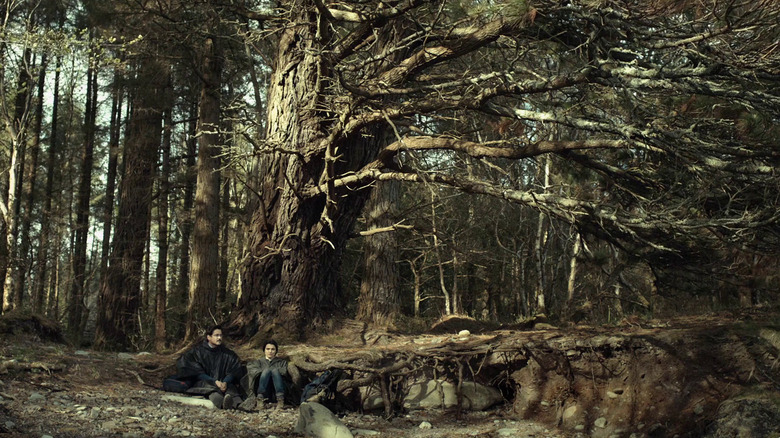
Whether "The Lobster" works for you as a whole or not, its immense and sublime visual flair can't be debated. Technically and aesthetically speaking, Lanthimos is an absolute master of his craft. His compositions are so exact, so rich and elaborate, that they often feel like carefully crafted paintings with not a single brushstroke done wrong. Working with his long-time cinematographer and fellow countryman Thimios Bakatakis, he turns "The Lobster" into a virtually immaculate cinematic achievement from a strictly technical standpoint. From its mesmerizing cinematography and pristine mise en scene to its delicate lighting, immersive set design and neat structure, everything signals that this is high (visual) art.
That said, it's also a highbrow art-house flick with admitted commercial appeal that undeniably separates it from traditional and experimental art films. Despite its abundant, clever humor, though, "The Lobster" isn't an easy watch and requires the right mood and attention to fully appreciate what it is. But, for what it's worth, it's also the movie that set Lanthimos on a path to worldwide recognition and international fame, after which his career skyrocketed with films like "The Killing of a Sacred Deer," "Bugonia," and his multiple Oscar-winning dark comedy drama "Poor Things."