

How Long Do Smart Home Sensors Last?
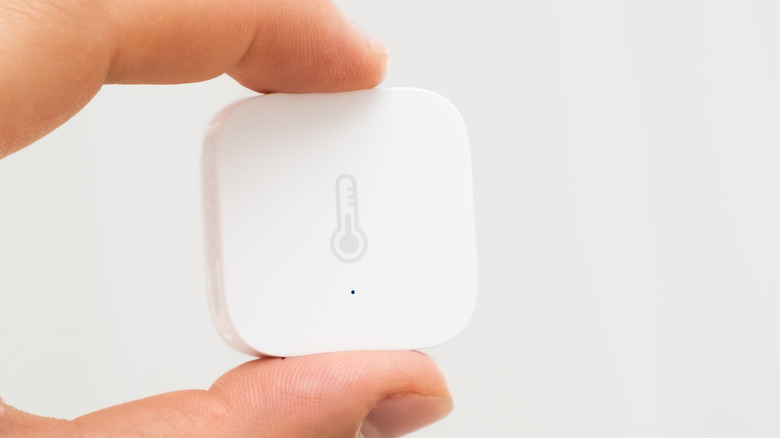
Smart home sensors make your devices even smarter, allowing them to track things like movement and air quality. There are many kinds of smart sensors, including ones that can detect water leaks, plus there are plenty of clever uses for smart sensors around the house that can automate tasks and protect your home. Some models can even serve multiple purposes, such as the Aqara FP300, which BGR's review calls "an excellent all-in-one sensor for the DIY smart home."
How long your smart sensor will last depends on what kind of sensor it is, whether it's exposed to extreme temperatures, and the quality of the product itself. For example, a motion sensor that's constantly on and in a high-traffic area is bound to wear out sooner than a water leak detector that rarely activates. Aqara says customers can expect its sensors to last 3–7 years and rarely need new batteries, even though many manufacturers advertise only around two years of battery life. Others make more ambitious claims, like Nexelec, which says service life for the ATMO+ 10-in-1 device is at least 10 years, and Disruptive Technologies, which claims that its motion sensors can last up to 15 years.
In practice, battery life tends to be a bit lower than advertised. A test by SmartHome Automate found that various products, including several from Aqara, fell short of their promised battery life. It's also worth noting that these products haven't been around all that long, so it's impossible to verify whether sensors that can supposedly last over 10 years actually do so.
How to tell when your smart home sensor needs to be replaced

Smart home sensors have specific jobs to do, so it shouldn't be too hard to tell when one isn't working as intended. If you're noticing issues but aren't sure which device is at fault, your smart home hub might be able to help, as you can check your sensors' recent history for any anomalies. As for why smart home sensors fail, reasons include installation issues, firmware or software glitches, and, crucially, power supply.
Depending on the specific kind of sensor, you might be able to address the issue by simply getting new batteries, often AAs or a coin battery. If your sensor is wired or has a non-replaceable battery, unfortunately, you'll have to get a new one.
Even though many have batteries you can replace, how long an individual smart sensor lasts before needing new batteries is worth considering when shopping for these devices. A complex smart home setup will require a lot of sensors, so having to go through all of yours every year or two can be time-consuming and costly. Wired ones circumvent this issue, but they're not practical in all situations since you're greatly limiting placement options. Smart homes take maintenance, especially if you're taking full advantage of the tech, so investing in high-quality sensors with long lifespans will make your life easier.