

You Should Avoid Any Video Doorbell That Lacks This Essential Security Feature
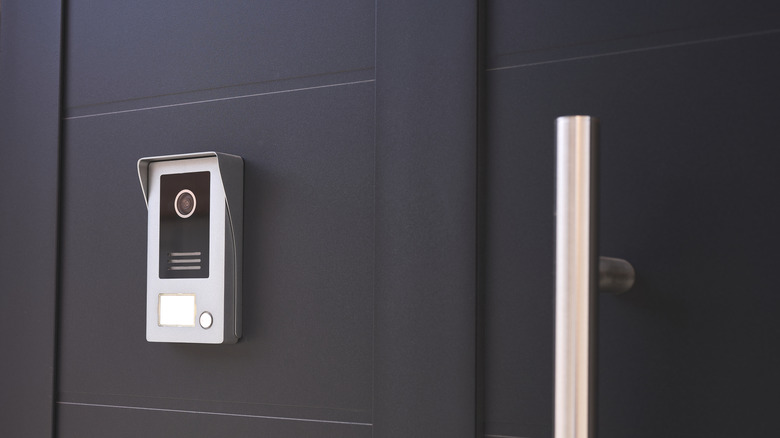
In a digital age where almost everything requires a username and password to sign in, you'll likely have come across two-factor authentication (2FA). It's an extra security measure that has you use a secondary method to log in, most frequently a code sent via text message. It's often featured on many of the services you use to control your smart devices, including many video doorbells, and it's a feature that's considered essential.
When you get a device such as a video doorbell, you make an account to sign in to view and control it. This includes a password and user ID to log in. 2FA works in tandem with your main password as a secondary system to reduce the risk of anyone hacking into your devices or logins. 2FA requires two types of authentication, which could include a PIN, sending details to your smartphone, or a fingerprint scanner. Having it on a video doorbell is important to prevent hackers from finding a way to log in themselves, which can keep them from gaining access to your camera.
A study by Consumer Reports found that having 2FA on a video doorbell camera increased its security measures — which can be a common issue with video doorbells. Not only that, but tests on video doorbells discovered that several lacked comprehensive security measures, making it easier for hackers to gain access to the system.
Using 2FA for video doorbell security
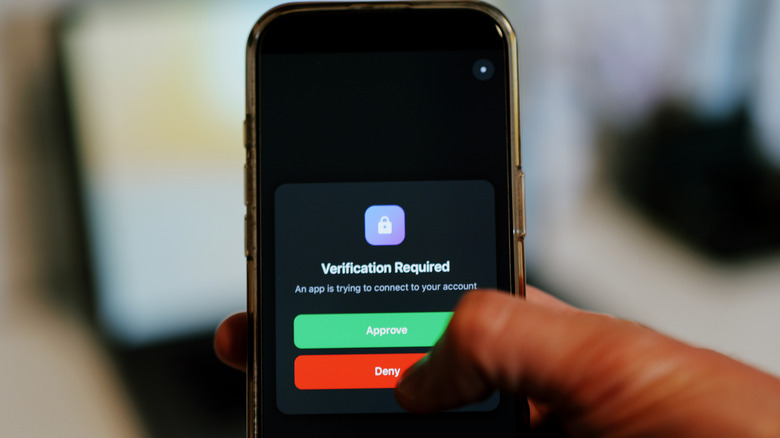
It is recommended that you find a video doorbell camera with 2FA on it and enable it while you set it up. Once 2FA is turned on for the doorbell, only an approved device you designate — such as your smartphone — will receive the secondary code. This means that even if a hacker attempts to login using your account login and password, they won't be able to gain access to your information without the 2FA details.
Anyone who logs into a video doorbell camera will be asked for the user password. Then, in order to log in to the video doorbell with 2FA enabled, you'll get a code sent to your phone or authenticator app. This code typically lasts a short while, limiting the time it may take for someone else to use it. You'll be able to find a few video doorbells that won't spy on you and come with extra security such as 2FA.
You should avoid getting any video doorbell without 2FA. Without it, unauthorized users may be able to hack into the camera if they have your password. If anyone but you is able to log into the camera, they can gain access to more than just what's viewable on it, but also vital information including recordings, live feeds, email addresses, and account passwords.
Video doorbells that have 2FA
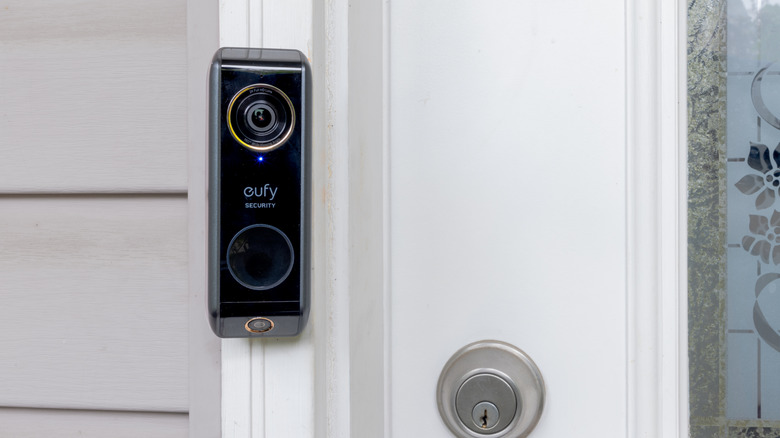
It's important to research prior to purchasing to verify if a video doorbell comes with 2FA or not. There are several popular video doorbells — such as those from Google Nest and Tapo – have a companion app that offers 2FA, as well as a few others, including Arlo, August, Ring, and SimpliSafe. Combined with other tools like encryption, doorbell cameras are designed with security in mind to not only keep an eye on your home, but also to safeguard the devices from being hijacked.
Google Nest added two-step verification to its Nest accounts as an enhanced way to protect owners. One such camera is the Google Nest Doorbell (wired, 3rd gen). It features 2K video with HDR, night vision, intelligent alerts that ping you when it detects movement, and comes with encrypted video for added security. The video doorbell costs around $199.99. Installing a video doorbell allows you to check up on your home while you're away, and while setting up 2FA may be an extra step that adds more time to logging in, it can keep out the same thieves looking to break into your home.