

These 4 US Cities Will Be Deserts By 2080, Study Shows
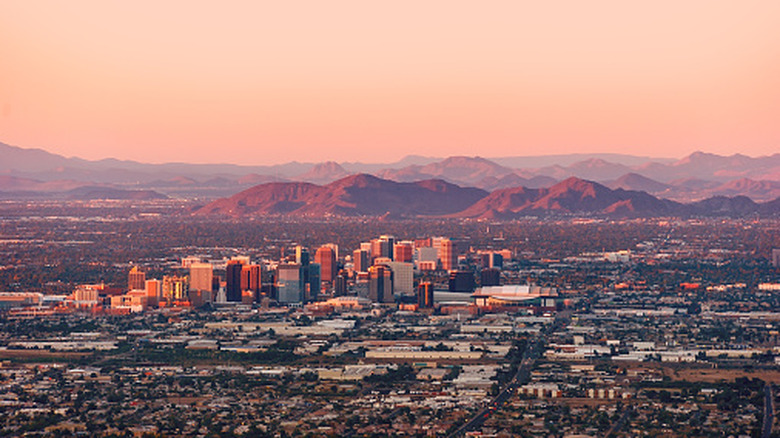
Oftentimes, when people talk about the impending effects of climate change, they mention melting ice caps, extreme weather, and sea level rise affecting coastlines. However, the ways in which a couple degrees of difference can completely change an ecosystem is a major impact you'll probably want to consider. A city like Chicago that is known for cold weather is already starting to have milder winters, with the exception of arctic weather blasts and snowstorms, while cities in already temperate locations will begin to experience hotter temperatures and drier soil that will eventually change their classification until they are considered deserts.
A 2023 Arctic Frontiers study used machine learning to predict how biomes across the United States may change in the future as a result of climate change and its effect on vegetation. The researchers included considerations of future land use, human population scenarios, ecosystem growth, and future emissions in their model. Their results suggest that areas that are currently temperate and boreal forests could transition to deserts by 2080. Additionally, large U.S. cities from California to Colorado are likely to be affected, transforming into deserts.
The findings, and what they mean for cities in the areas predicted to become deserts, are interesting and worth keeping in mind, but it should also be noted that the researchers state that the model is around 67% accurate. They also state that the use of certain projections for their model may have introduced a bias toward predicting future desertification.
Bakersfield, California
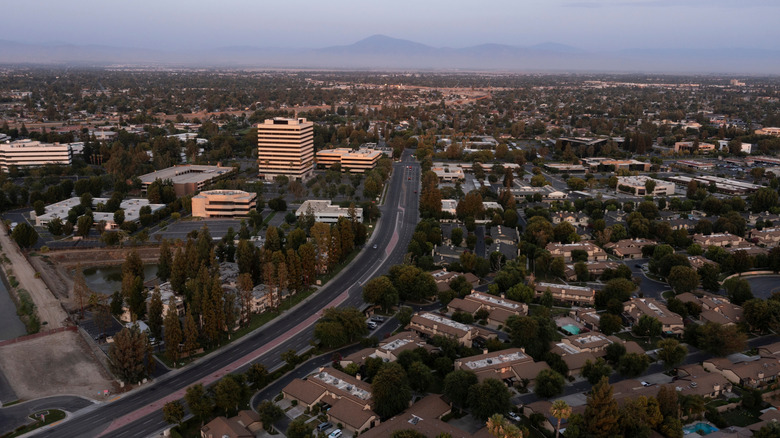
Bakersfield, California, is the 52nd most populous city in the United States, with over 422,000 people. It sits in the southern part of the San Joaquin Valley and is known for being in an area with massive agricultural production. The soil is fertile, and irrigation systems make the area great for crops. The climate currently consists of mild winters and hot summers. The small amount of precipitation and the summer heat already makes Bakersfield similar to a desert, and predicted climate change that will make the area even more hot and dry is likely to turn it into a true desert biome eventually.
According to some biome classifications, Bakersfield is considered a desert already, but based on actual vegetation maps, it's not there yet. Vegetation-based classifications are less subjective and do not rely on climate, and based on those metrics, the urban Bakersfield area is closest to grasslands and riparian evergreen and deciduous woodlands, not desert. However, in the study's predictive model, the vegetation in the area will reflect a desert biome by 2080.
With a hotter and drier climate, Bakersfield may become a less desirable place to live. Summer temperatures will climb, and the soil may become less fertile, which would cause a major change to the economy in the area. Because Bakersfield is such a major agricultural hub, the impacts of this area changing would be felt across the state and country, not just the local economy.
Reno, Nevada
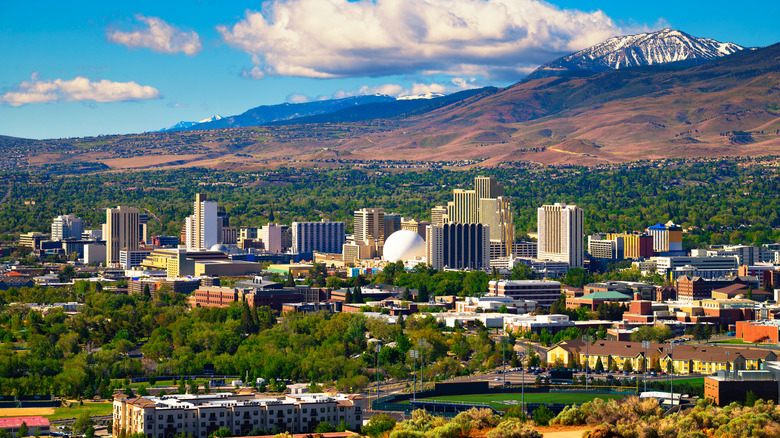
Reno, Nevada, has a population of over 640,000 people, and it is the largest city in northern Nevada. The city sits on the slope of the Sierra Nevada Mountains. Its location and mild weather make it make it a great place for all kinds of outdoor recreation, from biking to skiing. Today, Reno is classified as a temperate evergreen needleleaf open woodland by vegetation-based biome models. However, by 2080, the study predicts that the Reno area will transition to a desert.
Many people think of Nevada as a state with deserts, mostly due to the Great Basin and Mojave Deserts. And, much like Bakersfield, some classification systems already consider Reno a high desert valley. It's important to look at the vegetation, though, and see how changes in the natural vegetative growth would impact the environment. Nevada, including the Reno area, is home to many threatened and endangered species of plants and even animals that rely on the existing vegetation as part of their food to survive.
One consequence of the predicted 2080 desert biome would likely be the loss of many unique plant and animal species that wouldn't survive a changing ecosystem. Even if the existing city and culture of outdoor recreation that the Reno area is known for remains for decades to come, the true outdoor ecosystem will be vastly different.
Lancaster, California
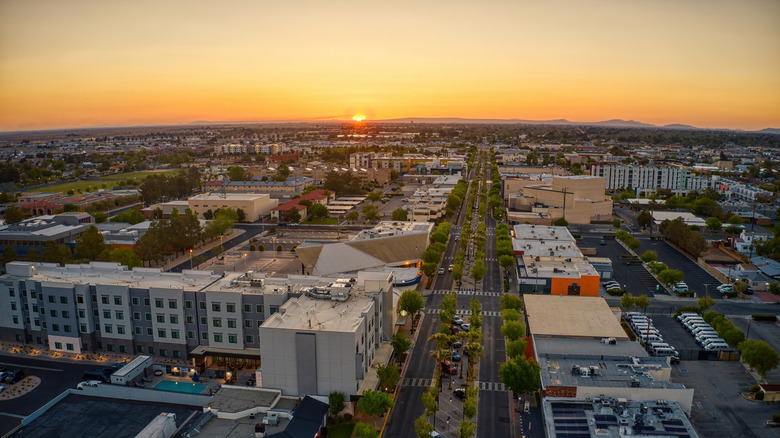
Back in California, there is another city that is predicted to transform into a desert by 2080: the city of Lancaster, which is located about one hour north of Los Angeles, and it is home to over 170,000 residents. Summers in Lancaster are arid and hot, while winters tend to be cold and cloudy.
Currently, the landscape is classified as a steppe biome, featuring sage bushes, Joshua trees, and fields of poppies. However, like many of the other cities predicted to become true deserts by 2080, Lancaster is already considered a desert city by some measures. Lancaster has two different sets of mountains as northern and southern borders, and is the gateway to the Mojave Desert (which is home to an exceptionally hardy moss).
Steppes are grassy plains found in temperate regions. Steppe areas are wetter than deserts, but not wet enough to support the growth of forests. So, it is predicted that in the next 60 years, the area will become hot and dry enough to no longer even support the grass it grows now. The change doesn't sound dramatic if one already considers Lancaster to be part of the desert, but the change in vegetation would impact the area in a major way. The colorful poppies, unique Joshua trees, local winery, and wild animals in the area are all major draws for people, and all of these would be affected by a hotter, drier climate over time.
Pueblo, Colorado
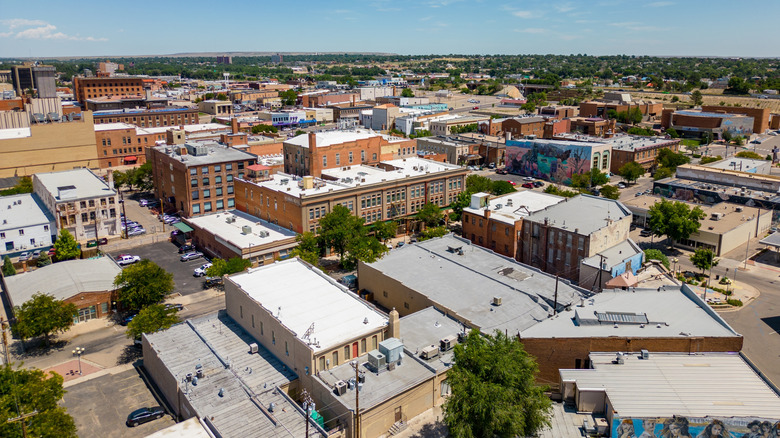
Pueblo, Colorado has a population of over 110,000 residents, making it smaller than Lancaster, California, but still a significant spot. Weather in Pueblo tends to stay between 92 degrees Fahrenheit in the summers and 19 degrees Fahrenheit in the winters. It also snows quite a bit in winter. It is currently classified as a temperate evergreen needleleaf open woodland, just like Reno. Pueblo is located along the Arkansas River, and it often has around 300 sunny days per year without being overwhelmingly hot year-round. The soil in Pueblo is rich enough to grow all kinds of plants, including green chiles, which the area is famous for. By 2080, though, the area's ability to grow strong and varied plants will likely change, considering it may be reclassified as a desert by then.
The desertification in areas that are currently woodlands seems much more dramatic than those that are currently steppes. Going from greenery and trees makes a big difference visually and environmentally. Climate change over the next 60 years is likely to make the area even hotter and drier, causing drought and fire concerns. These deviations from the current climate will affect people living there as well as the native plants and animals. We already know that 2025 was one of the warmest years to date and it's only getting worse, so concern here is reasonable. Perhaps climate change will not follow the worst-case predicted scenarios, but if it does, we may see Pueblo become a desert.