

Tom Hiddleston's New Adventure Film On Apple TV Delivers A Heartwarming True Story
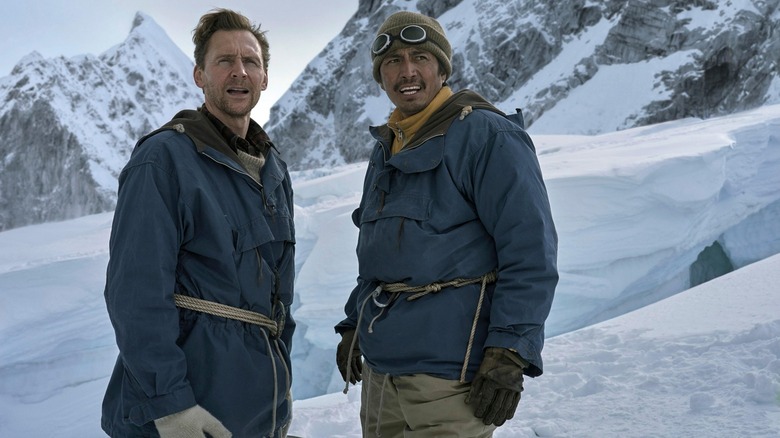
Most features about mountain climbers ("Everest" and "Vertical Limit") revolve around the sheer thrill of the expedition sought by adrenaline-seekers and high-achievers. The climb (or sometimes rescue mission) is the plot. Documentary filmmaker Jennifer Peedom's new biopic, "Tenzing," now streaming on Apple TV and starring Tom Hiddleston and relative newcomer Genden Phuntsok, might be the first one where the ascent takes a backseat in favor of characterization.
It's an apt choice given the true story-based movie focuses on Tenzing Norgay (Phuntsok), the first Sherpa to reach Everest's summit, and is dedicated to telling his long-overdue life story. It's the first live-action feature film devoted to Sherpas and their singular experience where all other men (mostly White and British) are secondary. On the surface, "Tenzing" is about the 1953 expedition led by British mountaineer John Hunt (Willem Dafoe), heading a team of over 400 people, out of which only two manage to claim the glory of standing on the highest peak on Earth — Norgay and New Zealander Edmund Hillary (Hiddleston). But the climb is the least pivotal part here.
First and foremost, "Tenzing" is about being an outsider, an underdog, someone who's been looked down upon and virtually ostracized by everybody else due to his background and social status. Jumping between past and present through flashbacks, you follow him from a tough and daunting childhood to falling in love to becoming an official mountain guide, meanwhile developing a deeply spiritual relationship with a mountain that constantly beckons him. "Tenzing" serves as a well-drawn character study and a semi-traditional biopic about hardship, determination, and fate — tragic yet uplifting in equal measure.
A symbiosis between journey and destination
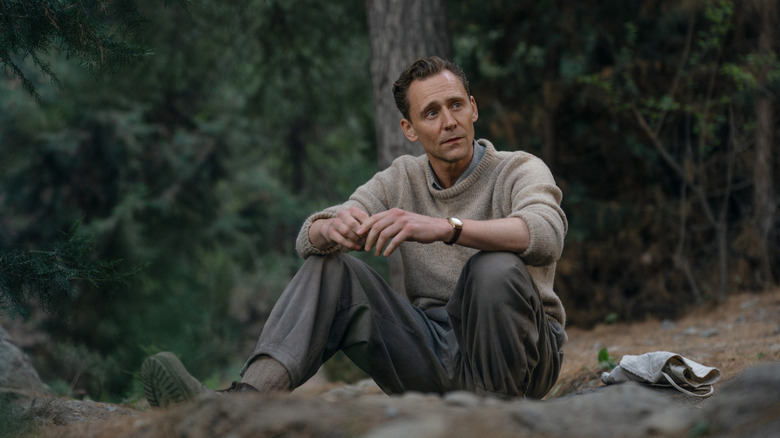
Peedom juxtaposes past events with specific stages of the expedition to draw parallels and fill them with meaning. The former always outmatches the latter because Tenzing's inner battle — grappling with contempt and humiliation from both his people and foreign climbers — is a far more nuanced and dramatic spectacle than the gradual march upward through snow and ice. His unwavering determination, infused with a spiritual drive rooted in Nepalese culture, is as captivating a redemption story as any great sports biopic.
Yet Peedom is so gentle and natural at integrating tradition and spectacle that her film never feels didactic or pointedly sentimental. That's not to say she avoids delicate subjects like racism, poverty, or childhood trauma, but her approach to tackling them is so seamless and fluid that you inherently relate to the hardship even if you know nothing about Nepali culture. That's a rare feat in such a specific setting where the White man once again treads with unspoken yet always assumed superiority. That's somewhat due to the portrayal of Ed Hillary, who also struggled with being the outsider as the only Kiwi on the team — although his assimilation here feels far smoother than Tenzing's.
That shared burden is exactly what opens the two up to each other and makes way for a bond and unlikely friendship that lasted till death. Naturally, Hiddleston plays him with a pitch-perfect charisma and confidence (just like in "The Night Manager"), but he's really just here to support and underline a career-best performance by Phuntsok. He's the absolute star of the picture, showcasing a wide range of emotions with a lived certainty and patriotic respect, embodying a historical and legendary figure who's been plagued by personal conflict for half his life.
A visual spectacle and deeply touching life story for the ages
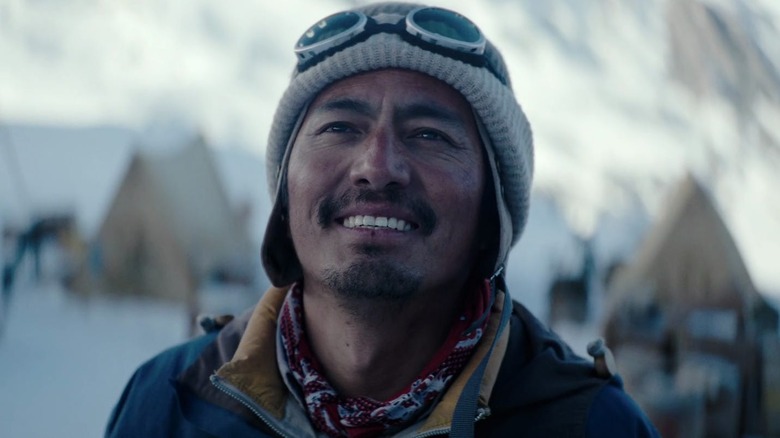
As much as Tenzing's backstory provides the emotional core of the film that every other aspect grows from, its visual flair and breathtaking cinematography by Stefan Duscio are a feat in and of themselves. With his expertise, Peedom creates an atmosphere that's harsh and formidable when you follow alongside the mountaineers in Everest's peaks and valleys, while the flashbacks of young Tenzing in his simple rural life strike you as warm and inviting (courtesy of filming on location in Kathmandu and the Everest region).
It also adds to the movie's credibility that the filmmakers brought in many native actors (and actual Tibetan and Nepalese mountaineers), as well as featuring several scenes where they speak Nepali to each other (the exclusion of this in most Hollywood productions often makes the result more artificial than it should be). Besides all these technical flourishes and nuanced touches, it's really Tenzing's extraordinary life and humble persona that turn this film into one of the best biopics and adventure dramas of the year.
Despite the intense, life-threatening situations you witness in the final stretch, you know how a movie like this ends. And yet, when you finally get there with Tenzing and Ed, standing literally on top of the world and facing the vastness of the universe, the surge of euphoria still rushes through your body like nothing else, even sitting in front of a screen. By then, you'll realize this is truly a movie about healing, putting the parts of you that were shattered into little pieces by the cruelties of life back together. And who couldn't relate to that?