

Improve Your Mac Mini's Performance With These Simple Changes
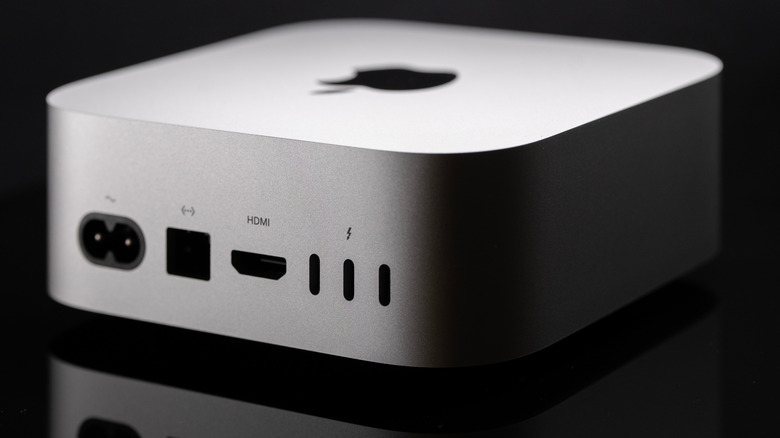
Apple's Mac Mini offers prospective buyers multiple reasons to buy it over a MacBook, packing quite a punch despite its small form factor, ability to operate local AI models, and a lower retail price than its larger siblings. As of this writing, the newest model is also the only Mac fitted with Apple's new M6 chip, and is also sold with the high-performing M5 Pro chip. Enticing as that may be, some Mini owners might still find themselves wanting more out of their system, or may encounter moments where their device is running at slower speeds. Some subtle alterations can help your Mac Mini reach its fullest potential.
If your Mini's performance isn't up to par with its promised power, there are some simple remedies like freeing up its startup disk space, either by transferring files to another device or an external hard drive, or deleting unnecessary data. You may enlist your device's default "Activity Monitor" to review its total memory usage and detect apps using more memory than the Mini has available. It's also best to quit any apps that you aren't actively using.
Apps that aren't natively compatible with your Mac — those that necessitate a different graphics card or processor — should also be closed. The app's documentation should generally spell out its individual system requirements. These straightforward changes, along with those previously mentioned, very well could help optimize your Mini's overall performance.
Your browser might affect your Mac Mini's performance
Making direct changes to your Mac Mini's settings and app behavior can help your computer once again meet its high-powered standards. One lesser-known hindrance that could also warrant users' attention is their browser. For example, a Cult of Mac writer reported that their Google Chrome browser turned out to be a power vampire thanks to unused browser extensions. Other browsers, including the popular, Mozilla-owned web surfer, Firefox, may also leech memory at a high rate.
To get the most out of your system's power, it's best to stick with Apple's native Safari browser as your go-to on any macOS device. Safari, especially when matched against Chrome, consumes less memory. If you're using another Apple device like an iPhone or a MacBook (when you're on the go), using Safari will also conserve battery life. Depending on what you want from or value out of your web browser, Safari could be the better choice for Mini users, at least from a performance standpoint.