

Are Gold-Plated HDMI Cables Actually Better?
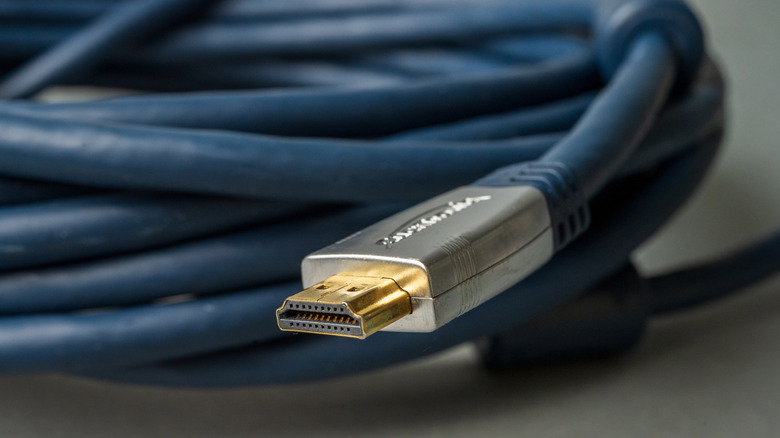
HDMI cables are the unsung heroes of modern entertainment setups, handling both high-definition video and multi-channel audio through a single connection. HDMI can even handle high-powered audio signals if you have access to an HDMI eARC port. Whether you're plugging in a gaming console, Blu-ray player, or streaming device, an HDMI cable is what ties all your devices together. But if you've ever browsed for an HDMI cable online or in a store, you've likely noticed a curious trend: Some cables are coated in gold and priced higher than their standard counterparts.
Manufacturers often claim that these gold-plated HDMI cables deliver superior picture quality, more stable signals, or have longer durability compared to their cheaper versions. The shiny connectors and premium packaging certainly make them look like the better option, but do aesthetics translate to better performance?
The short answer is no. Gold plating can help prevent corrosion on the connector ends, but when it comes to transmitting a digital signal, there's virtually no difference in quality between a $10 plastic-coated HDMI cable and a $50 gold-plated cable. What actually makes the best HDMI cables is cable length, build quality, and proper certification for the HDMI standard you're using.
So, before shelling out any extra cash for gold-plated HDMI cables, it's worth knowing that their benefits are mostly cosmetic and based on longevity rather than performance-boosting. In other words, images on your screen won't look any sharper just because you have a golden cable.
What do gold-plated HDMI cables do?
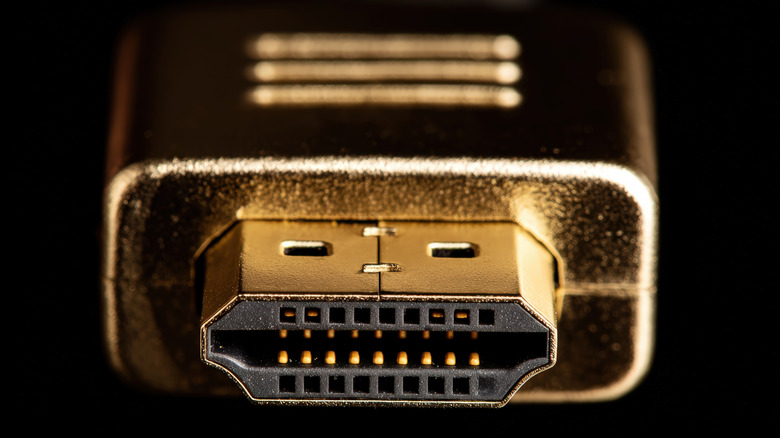
At first glance, gold-plated HDMI cables both look and sound like they would be a premium upgrade. They feature connectors coated with a thin layer of gold, a metal known for its conductivity and corrosion resistance. This leads to the false idea that this plating ensures cleaner signal transmission and prevents data loss compared to standard HDMI cables. However, that theory doesn't hold up under scrutiny.
HDMI cables transmit digital signals, not analog ones. That means the information they send consists of ones and zeroes, binary data that either makes it to your display or doesn't. Unlike analog signals, which could degrade and cause fuzziness or color distortion when reaching your screen, digital signals don't lose quality as they're transmitted. If the connection is physically intact, your TV or monitor receives a perfect copy of the data passing through the cable. If either your port or HDMI cable presents problems, you'll see obvious signs such as flickering, sparkles, or no connection signal at all, as opposed to a subtle drop in image clarity.
That's why gold plating can't make your HDMI signal faster or sharper. The real performance factors of HDMI cables don't come down to the coating around the connector tip. Gold plating can, however, resist corrosion better than nickel or silver connections, which may matter in humid environments or for long-term reliability. So, while a gold-plated HDMI cable might last a little longer and look more premium, it won't actually improve picture quality or reduce input lag. If your current cable works, upgrading to gold won't make your games smoother or your movies brighter.