

How Are Movies Using AI Right Now?
Unless you've been living under a particularly isolating rock, you've heard ad nauseum about artificial intelligence and its immense power to shape our lives. While businesses seem to be diving headlong into AI tech to boost productivity and shortcut creative output, the more arts-focused fields are understandably reluctant to open the flood gates.
Hollywood and the movie industry more broadly has always been tasked with balancing quality movie output and shareholder value (these studios are corporations after all), so it's not a surprise to see this topic at the forefront of movie making now. Are real films actually using AI in their productions?
The answer may be an objective "yes," but it's a little more nuanced than that. There are a lot of different ways AI can be leveraged for movies. While there are more than a few notable examples of actual studio effects making it to official releases, there are more subtle behind-the-scenes ways filmmakers and studios are turning to the tech as well. This includes ideation for scripts, supplementing special effects, or just making clerical or business work more efficient.
How AI could be used in Hollywood movies
Before getting into the controversy of AI being used in movies, it's good to set a baseline for the "how." The technology is vast, and generative AI in particular can have far-reaching applications. The obvious first thought is that AI can be (and likely is being) used for drafting scripts and ideating storylines. Thinking about it like you might use AI to brainstorm how to write a difficult email, a screenwriter may use AI to draft broad strokes for a script or storyline.
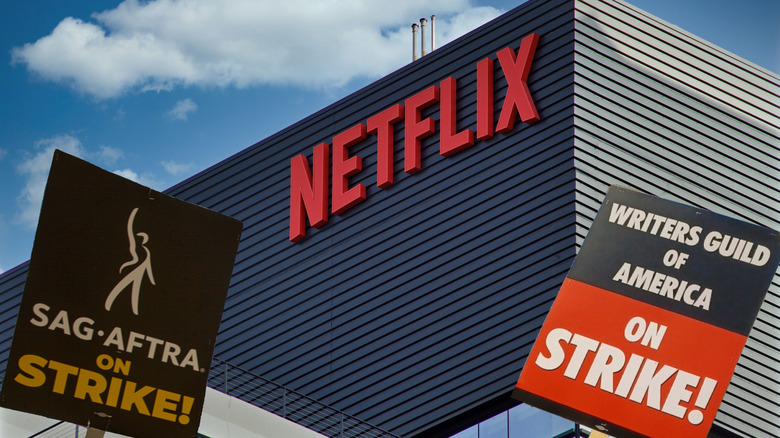
This could significantly shorten pre-production schedules, and help to break writer's block, but it's not without its skeptics. Recently, in fact, SAG-AFTRA and other notable Hollywood unions went on strike to oppose the use of AI for these purposes. While many writers fear AI's role in diminishing their own roles as writers, some are starting to embrace its use as a helpful productivity engine.
The use of AI for real visual effects and footage for films or to "deep fake" real actors is a bit of a different story. Some filmmakers vehemently oppose this use due to the unclear nature of where AI is getting its information, while others praise it as a tool. Hollywood is turning to products like Deep Voodoo to capture actors' likenesses for de-aging, or supplementing with real scenes that never actually have to be filmed. Stock footage producers are also starting to throw their ideas into the mix, with Getty Images recently launching "commercially safe" AI generated imagery and videos. Hollywood films are already using stock footage to fill various needs for their movies, so having an option from a trusted library could be a sign that AI usage in film may not be inherently nefarious and negative.
Notable examples of AI in famous films
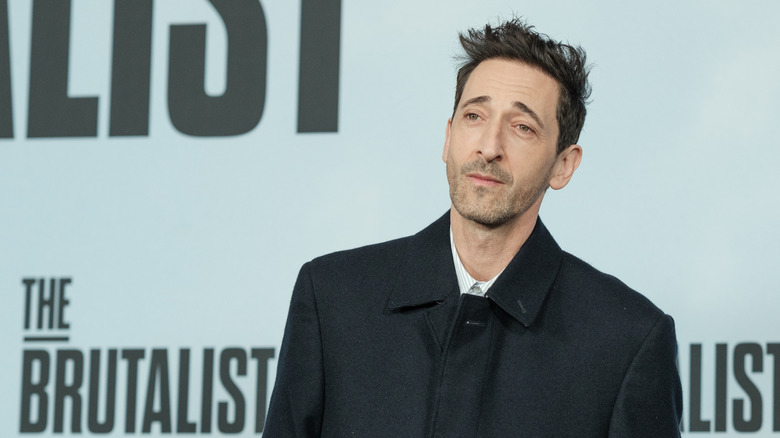
While some filmmakers and studios can be pretty tight-lipped about when and how they're using AI in films, you can still find several examples of high-profile use cases. Take 2024's Academy Award darling "The Brutalist." While this film was universally praised for its complex, meticulous portrait of artistic vision and national identity, an interview with the editor of the film roiled its otherwise positive reception with an AI scandal. According to this interview with RedShark, editor Dávid Jancsó shared that the movie leveraged AI speech technology to deliver more authentic-sounding Hungarian dialects for voiceover work from the lead actors. This caused a ton of backlash from technical film workers, and many even lamented that it took away from the film's effectiveness.
Then there are the potentially more seismic uses. Top studios like Apple and Marvel are known for including clauses in contracts to sign away likenesses for use in future "deep fake" supplemental material. High-profile films like Scorsese's "The Irishman" use similar tech to de-age actors for certain parts of the narrative. In early 2025, a studio even pulled a stunt where they shared a fully AI-generated "aspiring actress" named Tilly Norwood, complete with test footage and sizzle reels.
While this fully generated content can look off-putting if not done well, the technology for deep fakes and footage is starting to come out on the other side of the "uncanny valley," feeling more and more real. Filmmaking will likely continue to change rapidly — for better or for worse, depending on who you ask.