

5 Little Known Facts About Your Smart Home
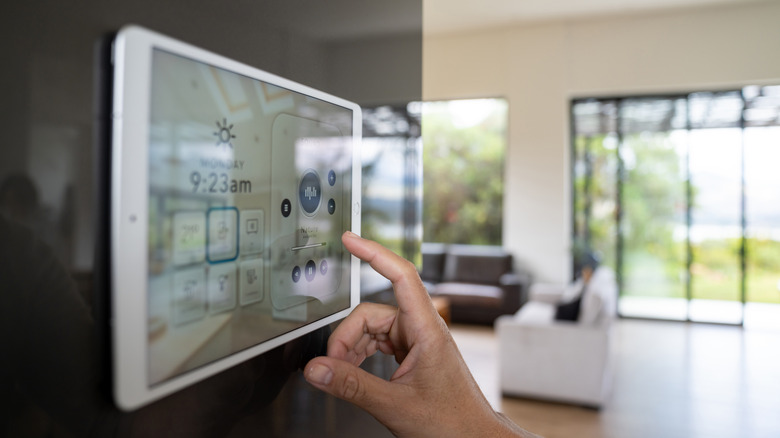
The smart home is becoming ubiquitous nowadays, as most families have at least one or two smart devices in the household. Commonly, this might include a smart speaker, smart TV, and maybe a smart video doorbell. But the smart home can do and be so much more. As homeowners gather more devices, they are beginning to realize how seamless and easy it is to link them all together such that you can control multiple actions with a single button push or even voice command.
Set a "Good Morning" scene, for example, that turns on the lights, queues up your favorite morning news station on a smart speaker, adjusts the thermostat since no one will be home, and auto-locks the front door at 9 a.m. after you've left for work in case you forget to manually do it. Maybe you have motion sensors that detect when you're in a room to turn lights on and off or let you know when intruders or pesky pets are where they shouldn't be. The possibilities are endless, and no matter how much you think you know about a smart home, there's still so much more to learn.
You can add useful sensors
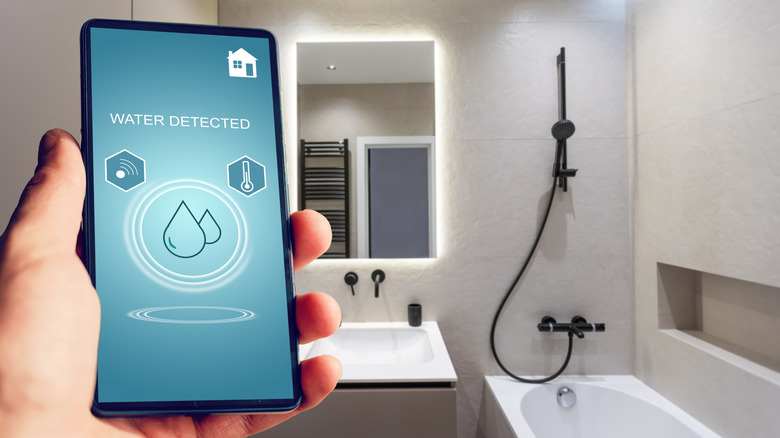
Along with the most common smart home devices, there are useful sensors you might not even be aware exist. These include things like smart water leak sensors from brands like Moen and First Alert. Position one in a spot where leaks are common, like under the sink, beside the toilet or washing machine, or by a basement sewer drain. If moisture is detected, they can alert you in the app, even ring an alarm so you can act before it turns into a costly problem.
There are outdoor motion sensors from brands like Philips Hue that can advise when someone or something comes close to a specific location. Position one by the car on the driveway, connected to smart lights so they illuminate to scare a potential thief away in the middle of the night. You can also set them to send alerts of such motion detection.
There are even sensors you can position on a window to send an alert if one is opened. Sorry kids, no more sneaking the boyfriend or girlfriend in at night like you see in the movies! These merely scratch the surface of less common smart sensors available for the home.
Make any device smart with a plug
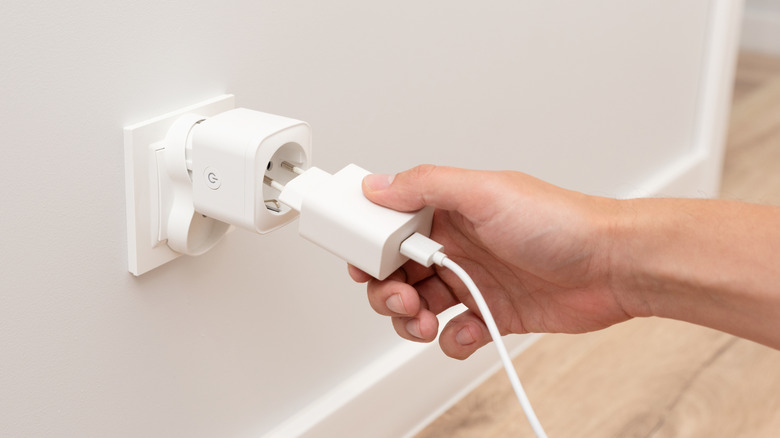
Make even older legacy devices smart by using smart plugs — handy accessories that count among the essential smart home gadgets you should be using. They look like regular adapters and plug into a traditional AC wall outlet. But they have built-in Wi-Fi so anything you plug into them instantly becomes remotely controllable.
This is useful for small appliances like automatic coffee machines. Prep the water and coffee grounds the night before, then turn the machine on from bed in the morning so a fresh pot is waiting for you by the time you're ready. They also work for items like portable fans and lamps.
Smart plugs are especially useful for things like holiday decorations and porch lights. Plug the Christmas tree into one and set it on a scheduled timer or remotely turn it on and off. No more squeezing behind the branches and decorations to reach the plug or power bar, or jolting up in the middle of the night to run down and turn the string lights off because you forgot.
They can help conserve energy
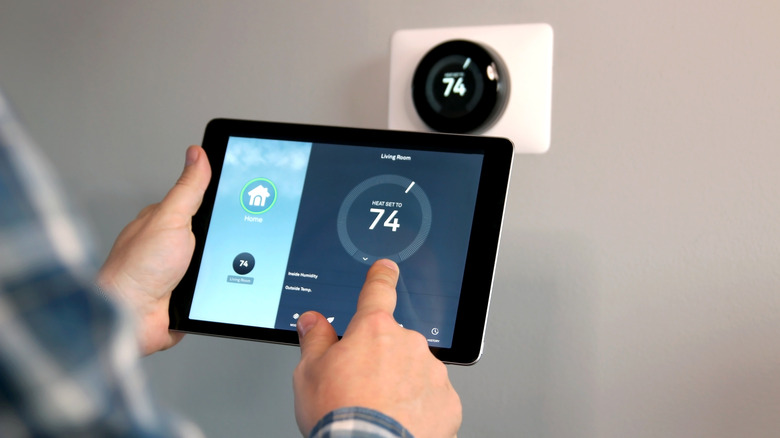
Smart home devices like smart thermostats, lights, and switches have a useful secondary advantage: they help you conserve energy. A smart thermostat, for example, learns your habits over time, especially when communicating with other devices via motion sensing. If you typically work a 9-5, it will take this and motion sensing into account to adjust the temperature a few degrees up or down to accommodate. This prevents unnecessary heating or cooling of a home when no one is there.
Further, being able to set lights on a timer ensures lights are never accidentally left on and thus drawing wasteful energy. Imagine the cost of forgetting all the lights turned on while you're away for a weeklong vacation! Motion sensors can even be used to control lights based on when someone walks into a room. Matter 1.4, the latest interoperability standard for smart devices, even supports things like water heaters for further managing and automating home utilities.
Setting scenes in an app, like "Good Night," that automatically turns off the lights, TV, drops the thermostat a few degrees, and powers down other unnecessary gear, can conserve energy without you having to lift a finger.
Smart AI anticipates needs
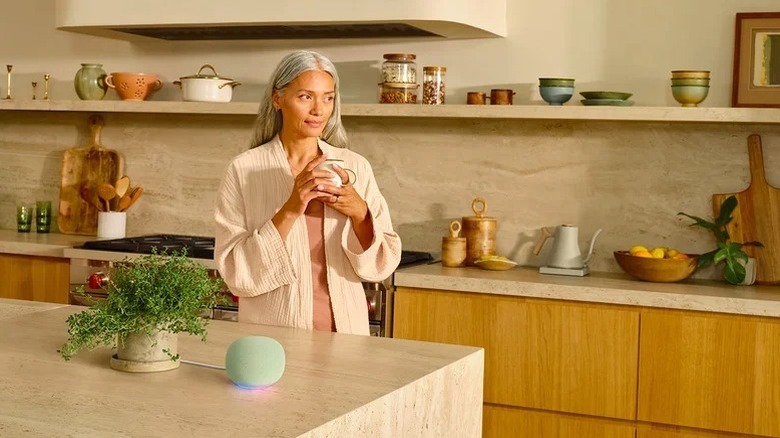
Google and Amazon have both recently announced enhancements to their respective home control and voice assistant platforms, making AI even smarter. Their assistants now interact with you in a more conversational way. They not only react to your needs, but can also anticipate them.
Google has replaced Google Assistant with Gemini, so you can do things like ask for a recipe and it will add the necessary ingredients to a grocery list for you. Tell it you're getting ready to cook and need the lights and it will intelligently know you mean in the kitchen. Give specific commands, like "turn off all lights except my home office" and ask things like "what time did the delivery arrive?" or "when did the dogsitter leave?" to tap into useful information from a compatible smart video doorbell's footage.
Amazon's Alexa+ virtual assistant can recognize who it is speaking with in the household based on visual and voice ID and remember things about you, like that you're allergic to gluten when asking for recipes, or your favorite song or playlist when you ask to get it going. Even say things like "it's too dark" and it will know to turn on the lights.
Make devices talk to one another
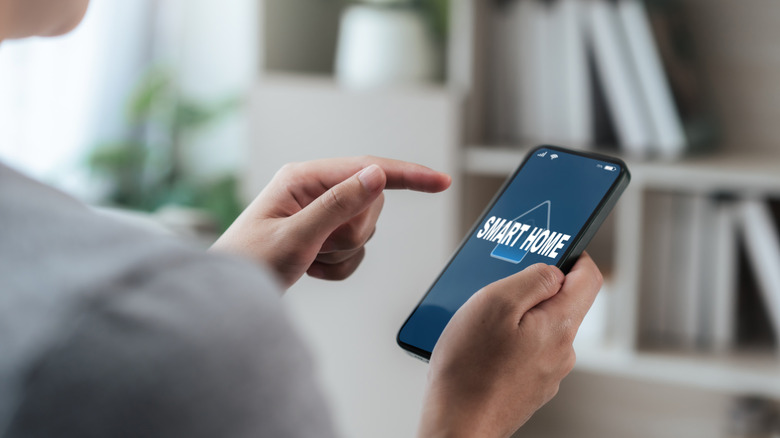
If you have devices from different brands that you think couldn't possibly talk to one another, chances are they can! Any Matter-compatible device can work within an ecosystem. First, choose a Google Home, Amazon Alexa, or Apple Siri system as your main home control app and platform. Once you settle on that, there are thousands of Matter devices that work with whichever one you choose. This means your GE lights and Belkin power products can seamlessly communicate with your Philips Hue lights, Arlo cameras, and LG TV.
This interoperability makes it much simpler for someone to jump into a DIY smart home without having to replace gear they already have. As you get new Matter-compatible or other compatible gear, you can often add it to your system by scanning a QR code. Matter devices include a wide range from hundreds of brands, like smart locks and thermostats, robot vacuums, air purifiers, ovens, and as mentioned, even water heaters. There's so much more that you can leverage with a smart home than you might have ever imagined, and practical ways it can help you save time and money, and make your days run more smoothly.