

Home Of The Worst Nuclear Disaster In US History Will Now Power AI
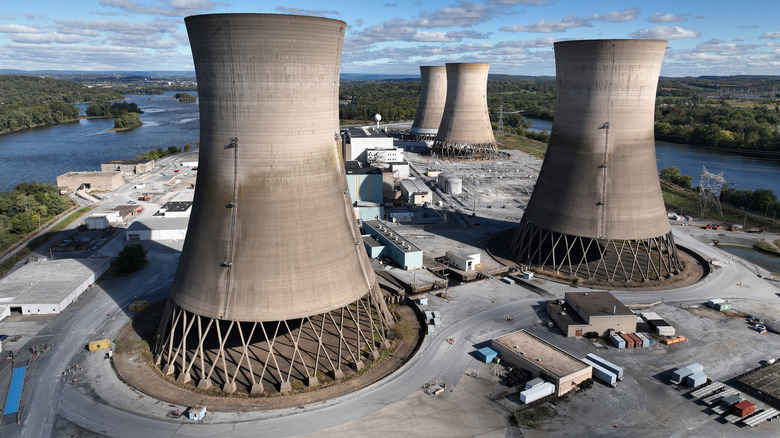
Data centers consume tons of electricity and fresh water. According to Pew Research data, 4% of the United State's total electricity in 2024 went to data centers. Altogether, they consumed about 183 terawatt-hours of electricity. Moreover, the Environmental and Energy Study Institute states that large data centers consume up to 5 million gallons of fresh water per day — the equivalent of a town with 10,000 to 50,000 people. To keep up with these extensive demands reliable resources are critical, particularly in generating the enormous amounts of power and electricity needed. That explains an unorthodox move by the Trump administration to restart Three Mile Island, the home to one of the worst nuclear disasters in the country's history. There are already reports the AI boom might be triggering electrical surges and outages. It will only get worse from here as more data centers are built and the demands grow.
Awarding a $1 billion federal loan to Constellation Energy, the owner of Pennsylvania's Three Mile Island plant — the U.S. Department of Energy — gave the go-ahead to rebuild and restart. It will be renamed the Crane Clean Energy Center and outfitted to produce 835 megawatts for residents and Microsoft's local data centers. Constellation signed a 20-year purchase agreement in 2024 with Microsoft, promising to restart the reactor to help support its AI solutions.
DOE says the restarted plant will power about 800,000 residential homes in the area, lower electricity costs, create over 600 jobs, and strengthen the power grid. The U.S. Secretary of Energy Chris Wright elaborates that it will "provide affordable, reliable, and secure energy to Americans across the Mid-Atlantic region." It will also ensure "America has the energy it needs to grow its domestic manufacturing base and win the AI race." That's good news for AI proponents, at least.
What happened to Three Mile Island?
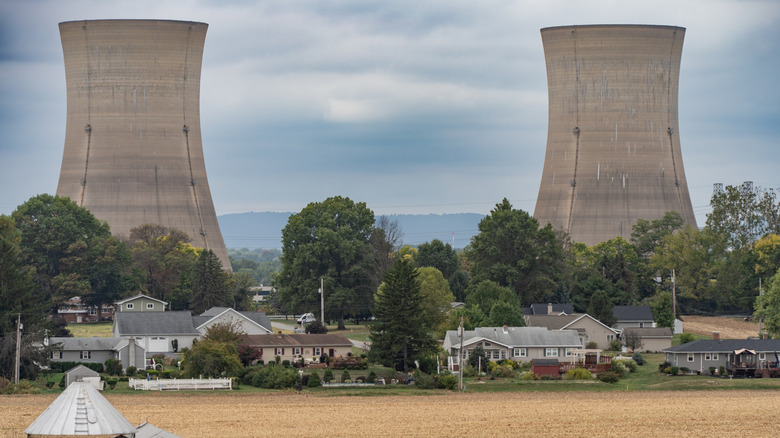
The original Three Mile Island accident, which happened in 1979, was a partial nuclear meltdown of the Unit 2 reactor and was rated a Level 5 event on the 7-point International Nuclear Event Scale, which means "Accident with Wider Consequences." It occurred because of a mechanical system failure which resulted in a loss-of-coolant accident. The buildup of heat created problems that snowballed and deteriorated quickly. No one was harmed and there were no detectable health effects on plant workers or the public, despite the situation.
Some believe there were health issues with a potential increase in thyroid cancer in infants downwind of the plant. Regardless, after the meltdown, there were "sweeping changes" in how the U.S. Nuclear Regulatory Commission regulates licensees, including many new and stringent requirements to uphold safety.
As for Three Mile Island, it's composed of two pressurized light-water reactors, dubbed Unit 1 and Unit 2, and even after the accident, the plant continued producing energy until it was decommissioned in 2019. The upcoming restart will see Unit 2 revived and producing electricity again. With power demands growing across the country, it doesn't seem out of the question for the administration to consider or rely on capable technologies for answers. This move is meant to compensate for power demands, and it's likely more administrative updates will come. Big tech is also going all-in on nuclear energy with next-generation nuclear reactors already in the works, according to government officials.