

Why Nvidia Discontinued Support For Some Of The Most Popular Graphics Cards In 2025
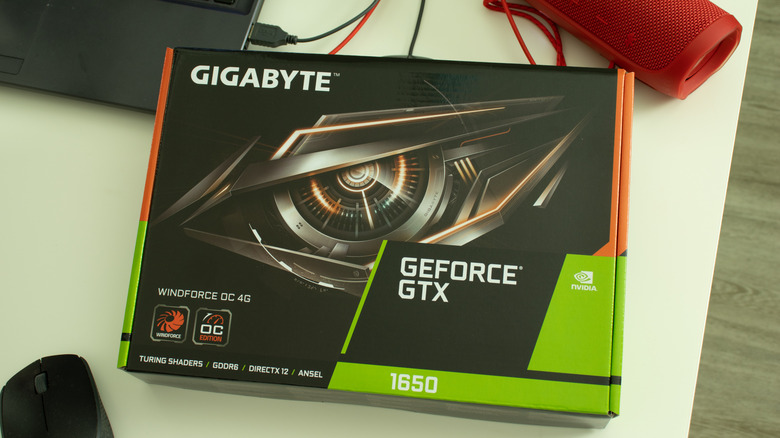
All good things must come to an end, including updates for devices with aging hardware. Just like Microsoft discontinued support for Windows 10, Nvidia is ending support for some older graphics cards, even if they are still popular. In 2018, Nvidia announced its UNIX graphics depreciation schedule. The company made it clear that Maxwell, Pascal, and Volta architecture GPUs such as the Nvidia GeForce GTX 1060 and 1050 TI would no longer receive updates after the 580 series drivers, and the last official update, 590.44.01, released on December 2, 2025. While the announcement referred to UNIX and Linux systems, driver branches are shared, so Windows updates will also cease.
Ultimately, the related cards are outdated — the Pascal GTX 10 Series is almost a decade old, while the other architectures are between eight and 11 years old. Ending support for outdated products could free up resources to focus on next-gen products, including a renewed focus on AI. While the GTX line (which stands for Giga Texel Shader eXtreme) is no longer produced, some people might be surprised Nvidia supported the cards for as long as it did. Regardless, support cutoff for older products is nothing new; Nvidia previously retired support Fermi and Kepler architecture cards, which spanned GeForce 400, 500, 600, and 700 Series GPUs.
What is even more surprising is that Valve recently published the results of a November 2025 hardware survey the company sent to users, and the GTX 1060 and GTX 1050 Ti are in the list of the top 25 video cards for Steam users. The Nvidia GeForce GTX 1060 in particular was the 15th most popular card, accounting for 1.86% of Steam users. Even after all this time, this survey shows it's still a fairly popular card.
What's the full release timeline for Nvidia GPU support?

If you own one of the cards that will no longer receive support, you need a clearer picture of how these depreciations work. While the 580 Series of Game Ready drivers is ending, for now this change will only affect feature updates. That means no more optimized drivers for the latest games and no more performance optimizations. Your GPU will continue to work fine. More importantly, quarterly security updates will continue to roll out, but only until October 2028. After that date, all Maxwell, Pascal, and Volta driver support will end in full.
As with most hardware, security updates for GPUs include critical software patches and fixes for potential vulnerabilities in driver software that nefarious individuals can exploit. So long as you keep up with these patches, the affected GPUs will continue to remain safe. However, you will have to deal with longer intervals between updates. This sunsetting schedule will also give you the opportunity to upgrade when you're ready. The big drawback, of course, will be the gradual reduction in performance and efficiency, which will only be made worse by a lack of support for new games. Some affected cards might work fine while others could run into performance issues. If the latter happens, you're on your own.
If you own one of the old discontinued cards, you might want to consider grabbing a new Nvidia graphics card in the foreseeable future. Not only will these GPUs help you stay on the bleeding edge of Game Ready driver updates, but they will also provide higher graphical fidelity and features prior cards couldn't handle, such as ray-tracing. You have until 2028 to save up before the lack of security updates becomes a much bigger risk.