

Can TSA's Digital ID System Actually Speed Up Airport Travel?
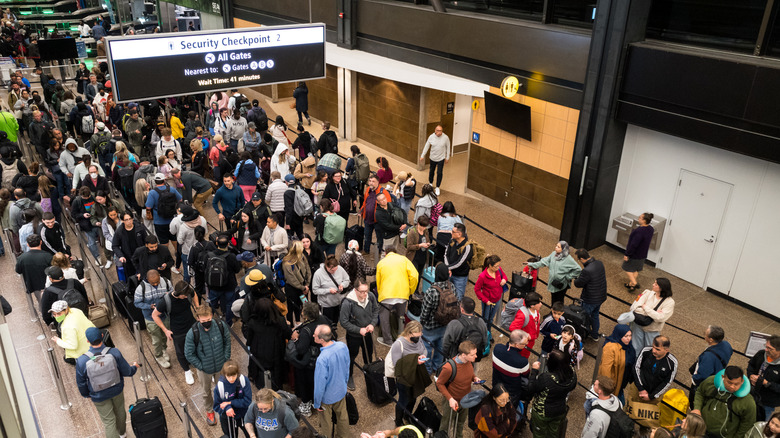
The Transportation Security Administration (TSA) has recently ramped up a digital ID option for travelers. Over 250 airports now have the option for you to scan digital documents, rather than a presenting a physical version for the TSA agents to review. The idea is to add convenience and shorten processing time for travelers. Does it actually speed up airport travel, though, or does the idea just seem nice in theory?
This digital ID can be added to your iPhone Wallet, Google or Samsung Wallet, or a state-issued app. By following in-app directions, you can add a digital version of your driver's license or other identification documents into a secure system. At the airport, you then have the option to scan your ID at the designated checkpoint. TSA assures this feature is entirely optional and completely secure.
The TSA also emphasizes the enhanced security that these digital IDs provide, as opposed to potentially counterfeit physical documents. The question is whether or not such a technology measure does result in a faster airport travel experience. The logic seems sound. Just grab your phone, and scan the TSA digital ID. However, the process is not always so simple, or so quick.
How TSA's digital ID saves time
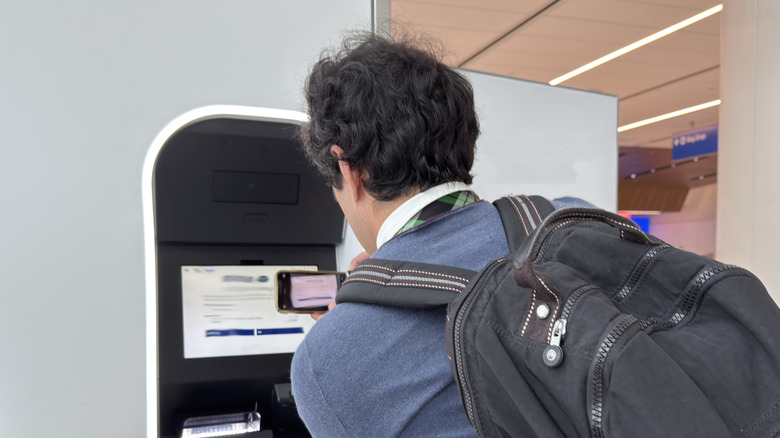
We often use digital scanning to save time, such as movie ticket QR codes. It means not having to carry around a physical document that has to be fished out of our pockets or wallets. Plus, smartphones are common enough at this point to justify the convenience of the TSA digital ID system. The TSA itself says that one of the purposes behind this technology is efficiency through automation.
You no longer need to flip through your documents, which can be challenging at an airport when you also might need your passport, boarding pass, carry-on luggage, and anything else you're bringing along. This system is faster, as it automatically scans and confirms your ID, rather than having a person manually check it for accuracy. Given these benefits and that the digital TSA ID seems to be a safe option, it's easy to see how this would speed up airport travel. Everyone can move in an orderly line, scan their IDs quickly, and keep going. The reality, however, might be different.
Travel hurdles with the digital ID system
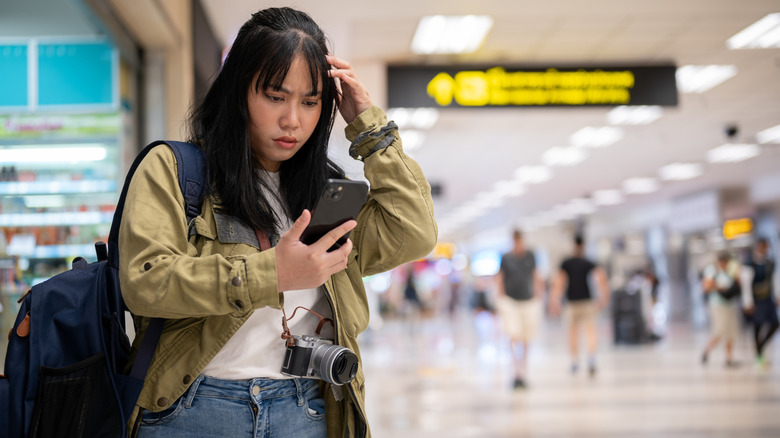
User experiences regarding TSA's digital ID system sheds light on some efficiency problems. Technology doesn't always work perfectly, and sometimes it's not the wallet apps but the TSA scanners that aren't functioning properly. Though you don't need an internet connection to display your digital ID with Google or Apple Wallet, older phones may be slower, and there's always the risk of someone's battery running out of charge at the airport.
Plus, the TSA requires you to still carry your physical identification. That translates to added time while packing and the likelihood of spending time double checking your physical documents are easily available as you go through the airport.
There is also human error that can slow down the process, regardless of the digital ID automation. Some people may be unfamiliar with how the wallet apps function, or using the TSA digital scanning machines. It brings to mind the self-checkout counters at grocery stores. Though they are meant to be efficient, there are still plenty of opportunities for technical and user errors that slow down the process.