

Google Discontinued The Dark Web Tool That Checks For Your Personal Data - Here's Why

Having your personal data stolen is an ongoing risk for anyone using the internet in any form. Email, social media, banking, healthcare, streaming, and any app or service that requires a login are at risk of being hacked. Most companies offer strong data security, which can reduce the risk of malicious actors stealing data in bulk, but it's still up to the individual user to secure their online accounts with strong, unique passwords that are hard to crack. Once an account is breached, the real nightmare begins. You have to secure the properties that were breached, change passwords across many apps and websites, and start monitoring other sensitive information. No matter how fast you act, the moment hackers steal your personal information, whether it's an email login or your name and address, your data will become a part of those massive databases that malicious actors trade on the dark web with or without your knowledge. That's where a Google service called dark web report may be helpful, as it can inform you about your personal information ending up in data dumps on the dark web. Unfortunately, Google has decided to discontinue the service starting February 16, 2026, after finding that the dark web monitoring tool isn't good enough.
Google sent out an email to dark web report users telling them of the change, according to 9to5Google. The company also mentioned the shutdown of the service in a support document. Both updates mention the same timeline. On January 15, dark web report will stop scanning for new results. A month later, on February 16, the data will no longer be available to users. All the data will be removed.
Why is Google shutting down dark web reports?

Google explained that it removed the service, as it didn't provide "helpful next steps." Dark web reports may have surfaced relevant information about data breaches to those Google users who signed up for the service, but did not provide key tools to actually help users deal with the fallout of a data breach. "We're making this change to instead focus on tools that give you more clear, actionable steps to protect your information online," Google said in the support document.
The company encourages users to take advantage of other Google tools that can "strengthen your security and privacy," including Security and Privacy Checkups, Passkey, 2-Step Verification, Google Password Manager, and Password Checkup. The support document offers useful links to the same resources Google account holders can use to increase the security and privacy of their data. However, after February 16, they won't be able to monitor the dark web for their data using Google services. The language Google used implies the company will continue tracking the dark web, but in a way that doesn't involve any customer-facing products.
What can users do to protect their data?
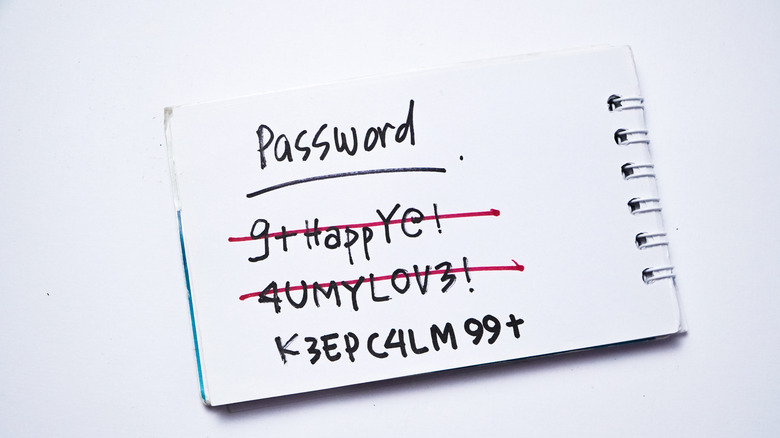
Dark web monitoring may sound like a fancy tool to have on hand. The reality is that sticking to best practices when it comes to internet security, including using strong passwords, enabling two-factor authentication and passkeys, and relying on password managers to store critical data like logins, is healthier than hoping that a dark web monitoring tool will alert you about a breach as soon as it happens. Dark web reports would be a nice-to-have feature that should only complement the best practices above, so that users can learn about hacks as early as possible. Some data breaches might occur no matter how careful you are about your security.
That said, alternatives exist to Google's dark web reports. Proton has a Dark Web Monitoring feature it offers to premium Proton Mail users. A switch from Google would be required to take advantage of it — a step not everyone is ready to make. However, the Swiss software developer announced in October a Data Breach Observatory initiative, a new tool that monitors the dark web to detect data breaches as early as possible. The tool may provide advance warning about a security breach impacting a specific service. While it won't be a personal report, any Proton bulletins detailing a significant data breach should be enough to make the news and indirectly inform impacted users that they need to re-secure their accounts.