

What Is The Point Of Streaming Devices If You Buy A Smart TV?
We may receive a commission on purchases made from links.
Smart TVs have been around for years, and most of them do a decent job at connecting you to streaming apps like Netflix, Disney+, and HBO Max. That said, there are still plenty of households that use standalone streaming hardware — products like the Amazon Fire TV Stick, Apple TV, and Roku's lineup of streaming sticks and set-top boxes — instead of the apps and other features built into a web-connected TV.
On paper, this may seem redundant, but plenty of people still pick up a streaming device even when they already own a smart TV — and for good reason. "Smart" doesn't automatically mean "fast," "smooth," or even "reliable." Popular platforms like Fire TV and Google TV are licensed out to a bunch of different manufacturers, and that creates a wide performance gap from one TV to the next. Everything from the processor a company chooses to the version of the software the TV ships with can dramatically affect how well the interface actually runs in day-to-day use.
Slow navigation, sluggish app loading, and occasional crashes aren't uncommon on smart TVs, especially for budget and midrange TVs that may cut corners on internal hardware. A dedicated streaming box or stick sidesteps that by giving you a consistent, well-maintained platform that's been optimized for one job: streaming your stuff quickly and without headaches.
When your smart TV needs a little backup
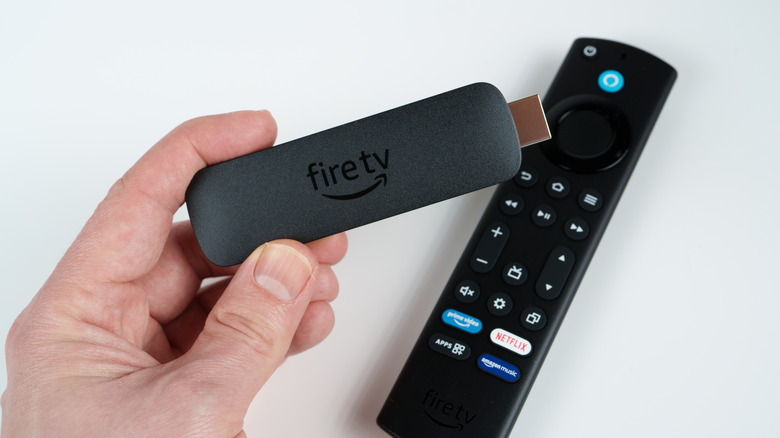
Smart TVs have a lot on their plates. On top of dealing with app loading and video streaming, your smart TV's processor also takes care of picture upscaling, audio decoding, and other behind-the-scenes CPU chores. When everything hits at once, performance can drag, which may lead to menus stuttering, streams taking longer to load, and apps outright crashing. A dedicated streaming device offloads much of that workload. Its processor is focused almost entirely on running apps, keeping the interface snappy and stable.
That's not to say streaming boxes don't touch picture or sound at all, but the bulk of their horsepower goes toward streaming efficiency, as well as smart features like casting and voice control. They also tend to offer a much wider library of apps than the bare-bones platforms found on many entry-level TVs — and you often have the option to add more, instead of being stuck with whatever came preinstalled.
Software support is another big differentiator. Streaming devices typically receive far more frequent updates than smart TVs, which means quicker access to new apps, better security patches, and improved codec and HDR handling.
That last part matters: If your TV doesn't support Dolby Atmos but your soundbar with HDMI switching does, you don't need to replace the entire TV. A modern streaming device with Atmos passthrough can slot right into your setup and instantly upgrade your home theater for a fraction of the cost.
Why a standalone streaming device is still worth it
Investing in a streaming device is a great way to bridge the gap between what your smart TV can technically do and what you actually want from your home theater setup. Even if your TV already supports the same core apps as a standalone streamer, the dedicated hardware usually delivers faster navigation, smoother playback, and better long-term software support. In a variety of use cases, that difference adds up.
Another perk: portability. A streaming device is something you can toss into a backpack and bring on vacation, plug into a hotel TV, or use at a friend's place without relying on whatever outdated apps happen to be available. And when the time comes to upgrade your TV, you can shop purely for picture quality, brightness, and sound — your existing streaming device will continue handling all the app, casting, and internet-connected heavy lifting.
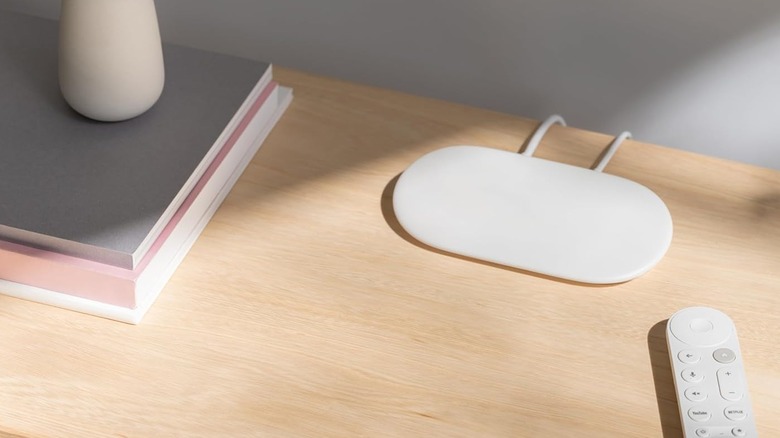
As for the best streaming devices in 2025, one of the top performers is the Google TV Streamer. It earned a 9 out of 10 in our review thanks to its sleek design, clean and intuitive interface, and deep smart home integration. It's a great example of why streaming devices still have a place in living rooms, even when the TV claims to do it all.