

The 13 Worst Smartphones Ever Made
Over the past decade or so, the smartphone industry has been giving hit after hit, especially when you consider flagship models. Even the smaller brands are catching up, producing amazing phones. This is all thanks to a culmination of mistakes from previous years, when even BlackBerry, the biggest phone brand of the time, made the mother of all blunders and eventually went under. Other models, like the infamous Samsung Galaxy Note 7, were ticking time bombs, almost literally.
All these failures have laid the groundwork for the wonderful smartphones we enjoy today. For this reason, it's worth revisiting some of them, especially the spectacular failures that left a mark on any phone enthusiast. Here are 13 of the worst smartphones ever made in their short history. We'll go back all the way to 2008 when the HTC Dream came out (the first Android phone) and circle back to the present day, when we are still wrapping our heads around just how thin the iPhone Air is.
The Samsung Galaxy Note 7 was too hot to handle (2016)
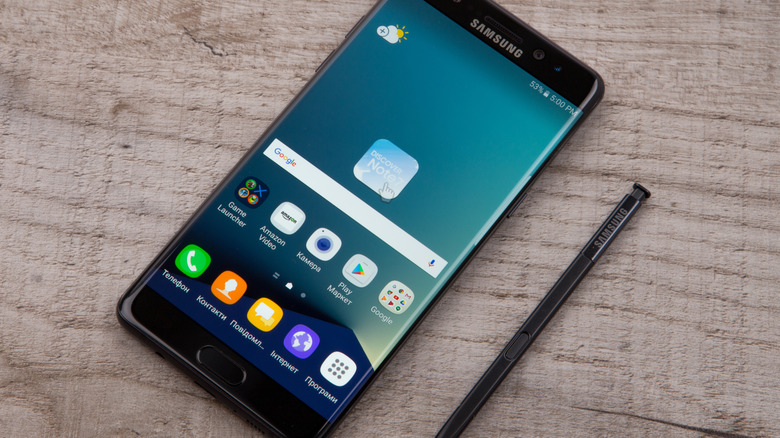
Samsung's 2016 flagship was an absolute disaster. You see, the phone had been designed to near-perfection, and was poised to become the best smartphone ever made at the time. It was a fascinatingly large phone by the time's standards, and easily fell into a category of devices called phablets (something in between phones and tablets in terms of size). The 5.7-inch screen paired with chunky bezels made it one of the largest phones at the time. The specifications were equally impressive – that is, until things started going south.
Multiple cases of explosions, sudden fires and injuries, started being reported. Some users even suffered second-degree burns. One user shared on Reddit: "My Note 7 blew up at work and even the fire department came." The situation escalated so fast that the FAA banned the device from airplanes, which was unheard of since smartphones became a thing. To make matters worse, users who picked up replacement units still suffered additional issues. Samsung had to discontinue the lineup and accept a massive $17 billion loss. It could have been worse, though. The Note 7 saga shows how one small mistake can spiral out of control and do so much damage. The device ticked all the right boxes, but the flawed battery rendered it unusable and dangerous.
The BlackBerry Storm failed to keep up with the iPhone (2008)
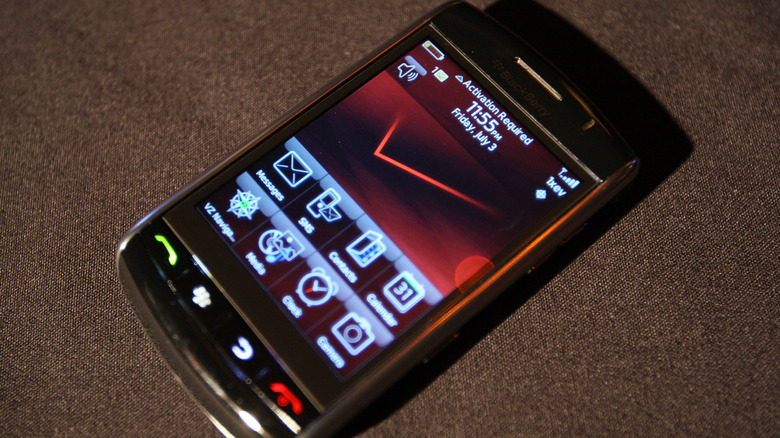
The BlackBerry Storm pulled off an absolute stinker when it came out in 2008. It was a rushed and panicked attempt to counter Steve Jobs' revolutionary 2007 iPhone. Initially, it sold well due to brand reputation, backed by Verizon's marketing push to compete with AT&T, who were seemingly doing well in their partnership with the iPhone. Things took a downhill turn when people used the Storm and realized it wasn't it at all. Technical failures were relentless on the device. The operating system was buggy and that typing on the screen was slow and difficult. The biggest blunder Research In Motion (RIM) made was failing to include Wi-Fi on the device — a flagship device at that.
About a year after the fiasco, I managed to get my hands on a BlackBerry Storm. I wasn't impressed, despite the device being the first ever smartphone I had ever laid my hands on. It was clunky, the touch response was unreliable, and it just felt off in my hands. The Storm marked the beginning of the end for BlackBerry as a mobile platform. The Storm should have never been released in the first place, but it ended up becoming arguably the biggest flop in smartphone history.
The Nokia Lumia 900 was too good for its own ecosystem (2012)
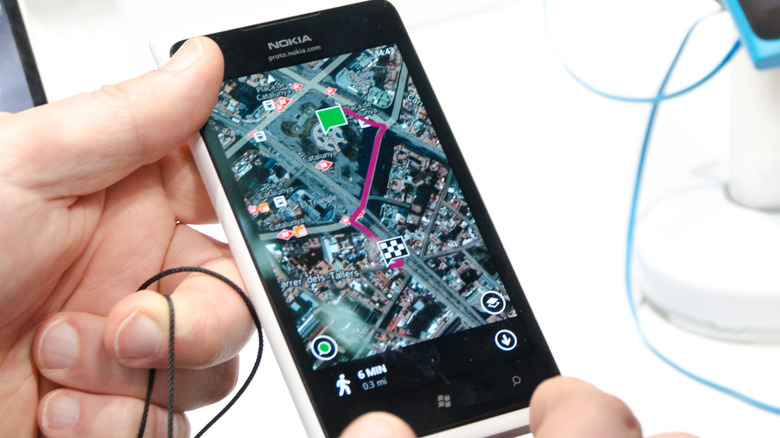
This device is an outlier in this lineup because it was actually well-designed and had no hardware issues at all. It even won the CNET Best Smart Phone Award at CES 2012. In our Nokia Lumia 900 review at the time, we described it as "a phone with gorgeous hardware that manages to be both classic and unique." A TechCrunch writer noted it was a "no-brainer." It had innovative features like threaded messages and Live Tiles, which were pretty cool at the time. It had 4G without compromising battery life, and it was snappier and more responsive than Android.
So where did things go wrong for the Nokia Lumia 900? Everything was perfect, and the only problem was the app ecosystem. Relative to Android and iOS, it came with lots of limitations and significantly fewer apps. Besides that, Microsoft killed the phone completely by announcing that their new mobile OS at the time (Windows Phone 8) wouldn't be available for the Lumia 900, effectively bricking the phone. Nokia had to slash their prices massively and offer discounts just to get the Lumia 900 off the shelves. Users were left stranded as the platform slowly died with withering app support. The device failed not because of Nokia, but because of Microsoft.
The Samsung Galaxy Fold showed how not to build a foldable phone (2019)
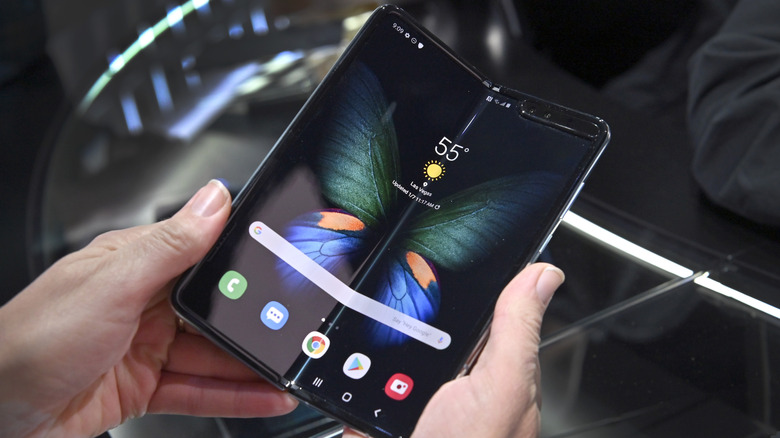
The Samsung Galaxy Fold sought to revolutionize the phone industry by merging a smartphone and a tablet into one unit. It turned out to be a great device, except for the compromised hardware issues it faced right out of the box. Review units were full of obvious major issues, leaving users confused, considering that this was a $2,000 device. At that price point, it came as a shock that it lacked dust and water resistance, but that wasn't the biggest problem with the device.
You know how peeling off the protective plastic paper covering on a new phone's screen is almost muscle memory? People did that with the Galaxy Fold, and to their horror, it turned out to be part of the actual screen. Besides that, the hinge design that made the device foldable had massive gaps through which debris and all kinds of gunk the size of sand or smaller could get in. This meant that folding the phone with debris in between would, in most cases, damage the screen.
iFixit's teardown of the Galaxy Fold gave it a meager repairability score of 2/10, noting that the device came with "countless points of failure." Samsung eventually acknowledged these issues and delayed the launch in the US and China. Later generations of the Galaxy Fold (the Galaxy Z Fold series) seemingly corrected these mistakes, and some users even swear by this type of foldable phone.
The Amazon Fire Phone offered more gimmicks than substance (2014)
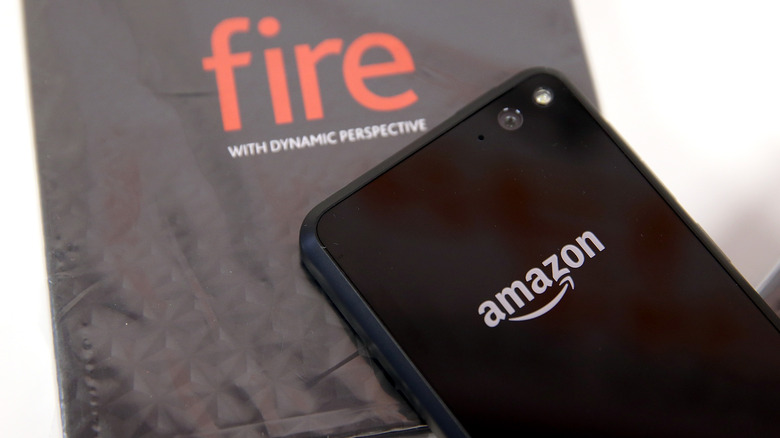
The Amazon Fire Phone came with a 4.7-inch display and a 13-megapixel main camera, ran on its own Android-based Fire OS operating system, and would set you back about $650 off-plan. Despite being a pricey piece of hardware, the phone was far from being user-centric. It was basically an Amazon marketing tool by design, because like Amazon Fire TVs at the time, the Fire Phone shipped with buyers' Prime information. Besides this issue, the device had a couple of gimmicks and failed to offer the similar app diversity users had on Google Play Store and Apple App Store.
The most notable gimmick was the Dynamic Perspective 3D feature, which took a toll on battery life without actually delivering on its promise. It wasn't even 3D in the first place, but a tilting of the user interface as you moved the phone around. The Firefly feature was another gimmick that used the phone's camera to identify products and help you purchase them on Amazon. It was a useful feature in theory, but often failed due to poor accuracy in real-world use.
This statement by an Engadget reviewer best sums up the Amazon Fire Phone: "Not only is the Fire lacking in useful new features, but its high price and exclusivity to AT&T guarantee its irrelevance." Sales tanked, Amazon took massive losses, and had to abandon the phone project entirely.
The HTC Evo 3D's 3D gimmick flopped (2011)
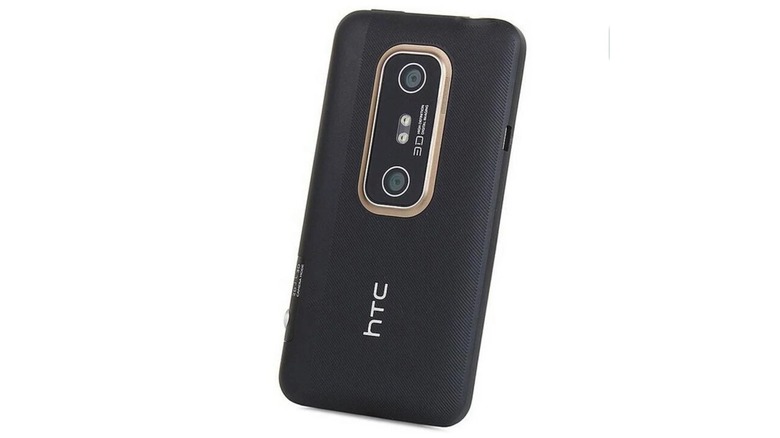
Three years before the Amazon Fire Phone's 3D gimmick, HTC also pulled off a similar stinker. The company launched the HTC Evo 3D, promising a glasses-free 3D display. This feature turned out to be horrible, creating a low-resolution cardboard cutout effect. The 3D effect only worked at specific angles and quickly fell apart when you moved in any direction. Without this gimmicky feature, the Evo 3D was just a bang average phone.
Beyond the 3D issue, the Evo 3D had some more glaring issues like poor battery life, bad audio, internet connectivity issues, freezing, and questionable hardware quality. On top of all these, content to utilize the 3D feature was widely unavailable – HTC preloaded just one 3D movie, without any others available for purchase. In gaming, a literal handful of games ran in 3D. Many users regretted purchasing the device; HTC admitted defeat and had to pull the plug on the EVO 3D in the same year that it came out.
The RED Hydrogen One's hologram was an expensive headache (2018)
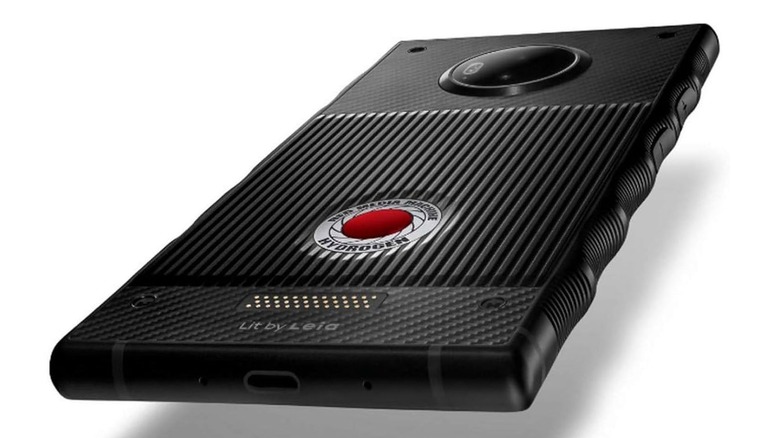
Despite being one of the best camera-making companies, Red tried making a holographic phone, but failed spectacularly. Red's film cameras are often used in filmmaking, meaning the company got everyone's attention when it announced the Hydrogen One as a cinema-grade phone with a holographic display. However, the device that made it to the market fell short of everything it had promised. The much-hyped holographic display turned out to be a simple grid-patterned 3D screen. Brightness when 3D viewing was low, and there were just about 10 apps that were built to utilize the feature. Display resolution also dipped significantly when consuming 3D content.
The pricing was astronomical, at $1,295, despite Hydrogen One failing to meet expectations. Promised modular camera attachments also failed to materialize. To make it even worse, Red founder Jim Jannard shifted blame for the product's failure on a third-party manufacturer instead of owning up to the mistake. The 3D hype was completely disconnected from reality, just like the HTC Evo 3D and Amazon Fire Phone before it.
The Kyocera Echo was ahead of its time (2011)
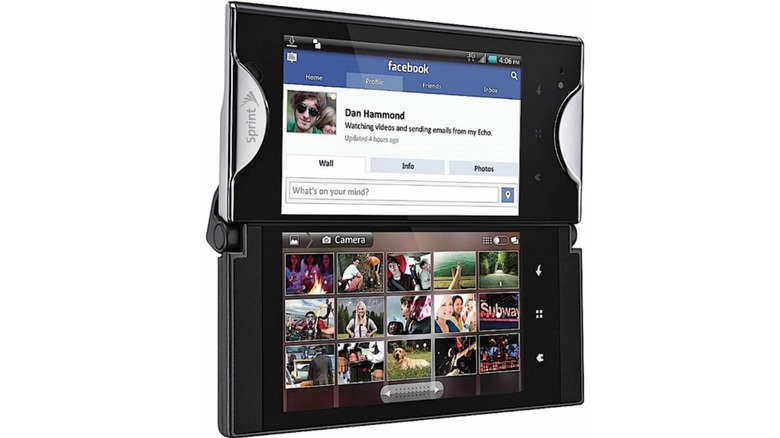
The Kyocera Echo was an industry first and was truly ahead of its time, if you consider the modern-day foldable phones like the Pixel 10 Pro Fold and the Galaxy Z Fold. Despite the great innovation, Android 2.2 Froyo was unable to handle dual-screen operation. The 1 GHz Snapdragon processor also struggled in running dual-screen tasks, and just seven built-in apps were optimized for dual-screen operation. Only two games ran in this mode.
Even when the dual-screen managed to work, the huge black bezel splitting the two screens was a major distraction. An additional screen also meant battery life would take a huge hit, and the capacity was just 1370 mAh. To counter the battery issue, the Kyocera Echo came with an additional battery pack, which was an admission that the device wasn't well-thought-out. The device slowly disappeared from the market due to poor sales and high return rates. Kyocera just happened to be too ambitious, given the mobile technology available at the time.
The Solana Saga promised Web3 but delivered nothing (2023)
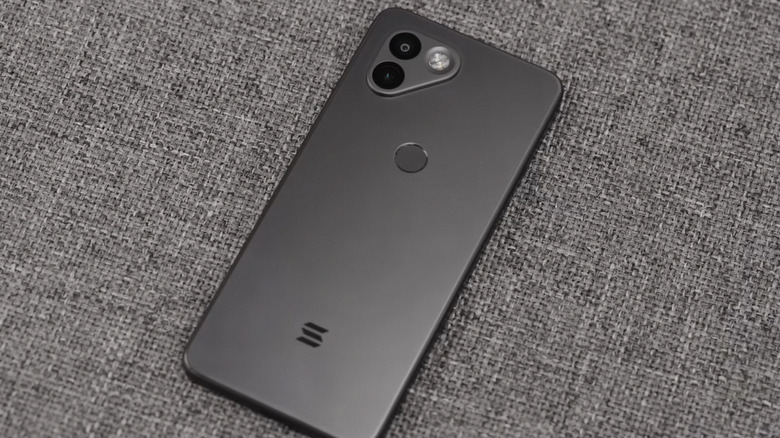
The Solana Saga sought to ride on the Web3 wave of the 2020s, marketing itself as a flagship Web3 device with Solana blockchain integration and a native cryptostack. The initial price of the phone was $1,000, which may make you think this was a unique and capable phone, but that's far from the truth. The Solana Saga was a standard smartphone running a crypto wallet app just like any other Android phone would.
It came with Seed Vault, described as a secure hardware-backed storage solution for crypto. Yes, it worked leveraging hardware TEE (Trusted Execution Environment), though basic wallet functionality can be replicated via apps on any other smartphone. Besides that, there was no other noteworthy feature to justify the Solana Saga's $800 to $1,000 price tag. On the apps side, the Solana app store didn't have much to offer. Even one of the most popular tech reviewers on YouTube, Marques Brownlee, did a video discouraging buyers from investing in the device. Unlike many of the previous bad phones, the device wasn't a hardware disaster; It was a case of buzzwords failing to deliver real value to consumers.
The Palm Phone was a useless companion device (2018)
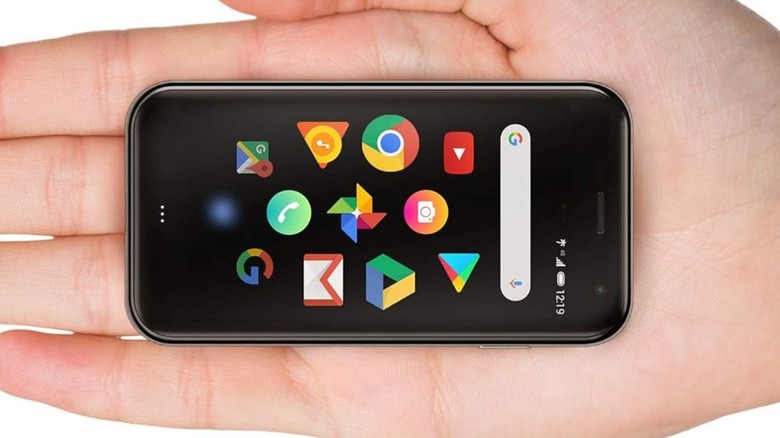
The Palm Phone was an outright bad idea when it came out in 2018. In hindsight, it wasn't really a phone, but a strapless $350 smartwatch that needed to be connected to a smartphone to be functional. Besides having to pair it to your main smartphone, the Palm Phone had to use Verizon as a phone carrier. On top of the steep price tag, you had to pay an extra $10 monthly to share your Verizon number on the device.
On the hardware side, users had to bear with a lot, starting from a 3.3-inch display that was too tiny to enjoy watching videos, gaming, or even typing long messages. It came with a horrible 12MP camera, 3GB of RAM, a Snapdragon 435 processor, and a measly 32GB internal storage. Battery life was poor, lasting only about eight hours under moderate use, and you could barely get past five hours if you were a heavy user. Despite the hardware shortcomings, the Palm Phone sure turned heads, but it was hard to understand who the device was for and what would justify spending money on it.
The iPhone 6 bent right out of pockets (2014)
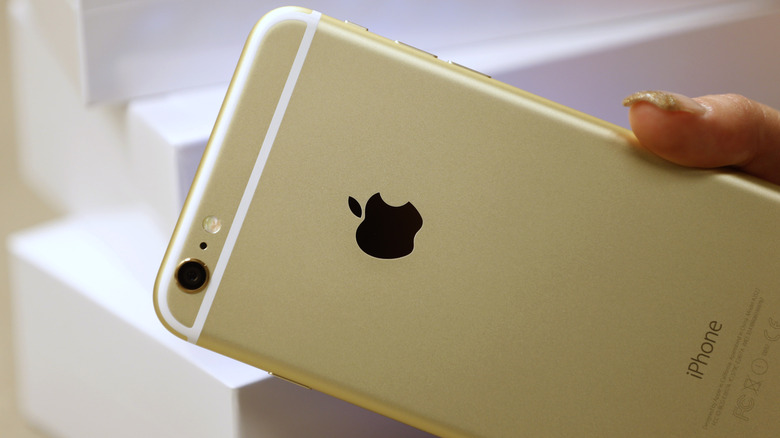
The iPhone 6 is towards the bottom of this list because it was a hit among users and one of the most commercially successful iPhones, with more than 200 million units sold. However, it came with one glaring design flaw (especially the bigger iPhone 6 Plus) that iPhone critics had a field day with, back in 2014. The phone's frame bent easily when enough pressure was applied, like by having it in the back pocket or squeezing it in a purse, and woe unto you if you sat on it accidentally. Reddit was full of stories about the phone bending, and many YouTube videos documented the issue.
What made the situation worse was that Apple knew about the Bendgate risk but went ahead to approve the design. The company was clearly keen on building a thin device at the expense of structural integrity. Some users even reported Apple stores initially refusing to replace bent units, but some eventually relented. I owned an iPhone 6 around this time, and always dreaded sitting on it (thankfully, I never had any accident that bent my unit). Clearly, the design choices were also dependent on user behavior. It is also worth noting that the internet noise may have made the bending issue look worse than it was, but the fact is, the iPhone 6 put to question Apple's commitment to building durable devices.
The iPhone 16e is a great phone with questionable value proposition (2025)
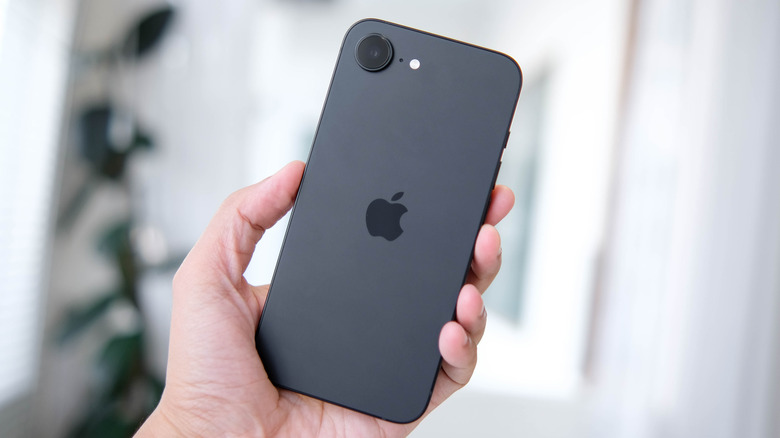
The iPhone 16e is far from a bad phone, but it's included here by the simple fact that it is a 2025 phone that looks like it came from 2019. It leaves a lot to be desired if you consider its value proposition, being a budget iPhone with a starting price of $599. The hardware is great, and there are no software issues to complain about, but having a huge notch in a modern smartphone is disappointing. Also, a single camera setup for the price is also another letdown in a market where you can get a dual camera setup on a sub-$200 phone. Another glaring cutback on the iPhone 16e is the lack of MagSafe, despite this charging feature being standard since 2020 with the iPhone 12.
We called this a budget iPhone, but it holds a weird market position: It's too expensive for people on a budget, and a tad bit too limited for anyone willing to pay the price. You're better off spending your money on a used iPhone 15 or iPhone 15 Pro. These older iPhones have better specs, hardware, and cameras. The iPhone 16e is a market positioning failure more than anything else, besides being a decent device (if you ignore the price).
The Escobar Fold was a scam disguised as a flagship phone (2019-2020)
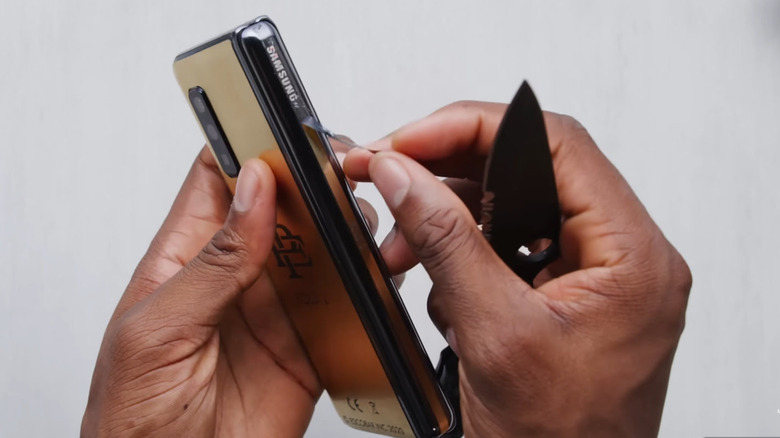
The Escobar Fold is an honorable mention on this list, not because it was a failed phone, but because it was an outright criminal scam. There were two versions of this device: Escobar Fold 1 and Escobar Fold 2. The Fold 2 was the more popular of the two units, having been sent to a number of top tech reviewers like Marques Brownlee and Unbox Therapy. Here's how the scam worked; The Escobar Fold 2 was marketed as a cheaper Galaxy Fold alternative, gold-plated, for just $399. To build trust, the company sent review units to influencers. These units were legit Galaxy Folds covered with gold foil. Remember that, at the time, a Galaxy Fold went for almost $2,000 — a red flag.
The scam kicked in when customers ordered the device, which never got delivered. All they got were a bunch of books, promotional materials, and fake ownership certificates. When buyers demanded refunds, Kyros Gustafsson, the mastermind behind the scam, used the delivered physical products as evidence of purchased items to block any refunds through payment processors. This strategy worked, and thousands of buyers lost their $399. Authorities eventually caught up with the scammer, and the case is still ongoing at the time of this writing.