

Do QLED TVs Actually Last Longer Than OLED? Here's What Experts Say

While shopping for a new TV, the question of which one lasts longer often comes up in the choice between OLED and QLED screens. These two technologies dominate the high-end market. With their higher price tags, it is natural to expect them to hold up for years which makes durability just as important as picture quality when comparing the two. While both OLED and QLED deliver excellent visuals, they differ in how well each panel technology ages.
QLED TVs regularly deliver a longer lifespan than OLED models because of the technology behind them — they use inorganic LEDs that handle prolonged use better. However, that does not mean OLED TVs are fragile or low quality. Still, their panel characteristics make gradual wear more noticeable over time which can lead to common issues.
The durability difference between these two TV screens should matter for anyone buying one since image quality alone does not cover the full picture for potential problems in the future. Choosing the right panel technology ensures the television remains a functional part of the home without a significant drop in quality over time.
QLED TVs are immune to the screen burn-in that affects OLEDs
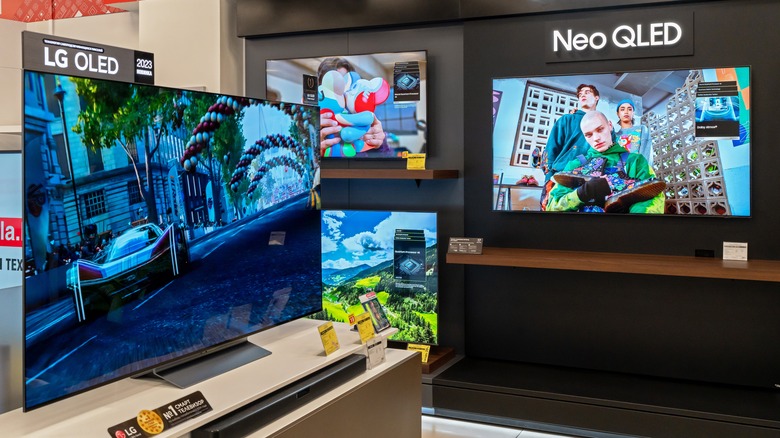
One of the main concerns reported by OLED TV users (and one that keeps this type of screen from lasting as long) is the burn-in effect these panels are known for. Basically, the pixels in these devices have a limited lifespan and wear down as they emit light, especially when the same image stays repeatedly; ruining your image quality. For example, watching the same channel for several hours each day keeps its logo in the same position. Those specific pixels will degrade faster, creating a "shadow" of that image that will remain visible even after switching channels.
QLED technology avoids this issue because its inorganic LEDs resist damage from prolonged use. This makes these panels significantly more resistant to the burn-in effects found in OLED models. Consequently, QLED screens last longer for high-intensity tasks like video games with static interfaces. While QLED TVs offer superior resistance, they are not completely immune. A small fraction may still show defects over the long term. However, QLED hardware minimizes the risk of the permanent damage that often proves fatal for OLED technology.
OLED panels naturally degrade and lose brightness faster than QLEDs
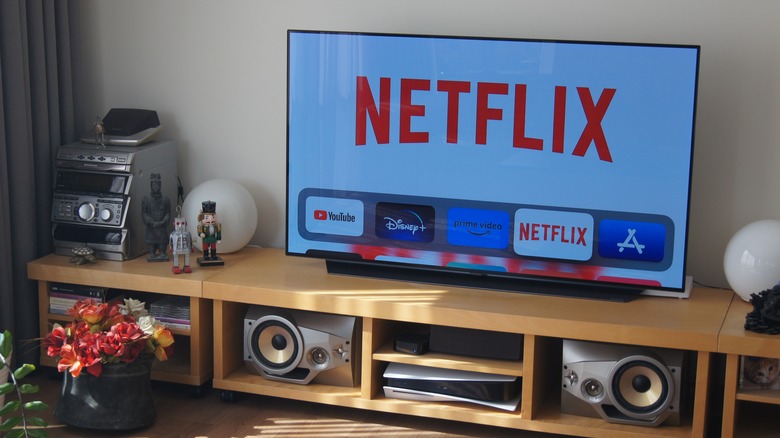
Burn-in plays a major role when choosing between QLED and OLED TVs, but it's not the only concern a customer should have. Gradual image degradation can happen over time on both display types, yet the process typically moves faster on OLED due to the limitations of its technology. OLED pixels can fail unevenly over thousands of hours, in part because blue elements often have a shorter lifespan than red and green. That imbalance can lead to two noticeable issues, the first one being reduced brightness that makes the image look darker and the second one being a visible shift in color accuracy as the panel ages.
For long-term use as a main household TV, QLED models frequently maintain an image quality that's closer to their original look. Still, the panel is not the only component that can fail. Both TV types will likely develop problems around the fifth to seventh year of use. Although those issues can typically be repaired more easily than a screen malfunctioning, that is the average lifespan of a modern television.