

Will Humanoid Robots Take Over Your Smart Home?
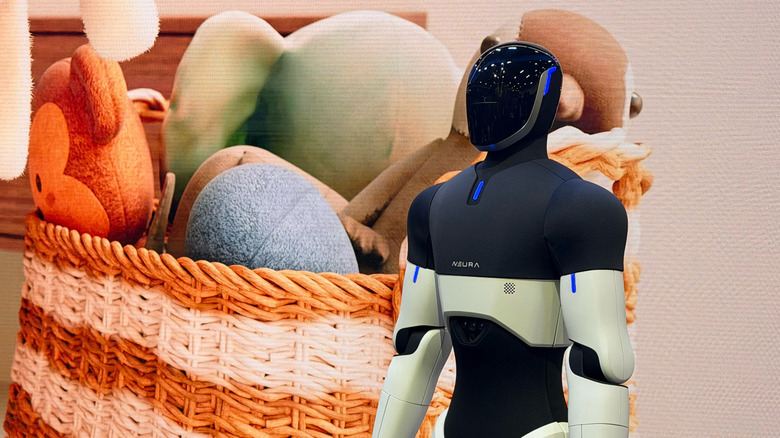
CES 2026 highlighted a trend growing over the past few years: The humanoid robots era. What would previously be announcements of fast quadruped robots, dog-like machines running around that would make us all scared (or curious), evolved into proper humanoid robots.
The first batch of these devices has been recently deployed for companies and a few early adopters. There's still room for every kind of robot, as almost every company is still figuring out what they want and can do with these new devices. While humanoid robots could eventually take over our smart homes, they have a long way to go, as they aren't cheap, their software is still being developed, and they still need a mind of their own, even though the hardware is already impressive.
In this article, you'll see some of what these humanoid robot companies have been doing and the stage their robots are at. However, you shouldn't plan a big budget for them just yet, as it feels like we're still several years away from seeing robots in tech stores waiting to be demoed and taken home — at least, not until they can make their next technological breakthrough.
1X, Neura, and XPENG are some of the companies to watch
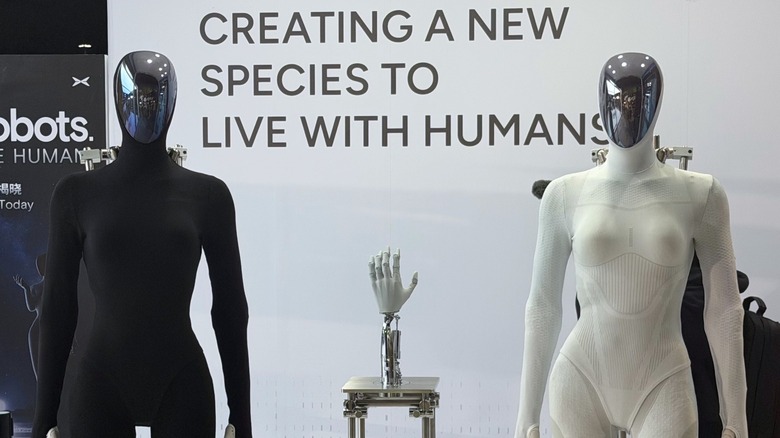
1X made the news last year for introducing the 1X Neo humanoid robot. With a shipping date and an expensive price tag, the robot had one major flaw: Requiring a human operator to perform tasks because it could barely do a thing on its own. To make up for that, the company recently announced a big software update for a new 1X World Model, which allows the robot to create a video in its mind after the user gives a voice or text prompt, and it will learn from that. To make it smarter (hallucinate less), the company is requiring the robot to learn by requiring it to use its hand sensors, so it won't think it can just teleport a glass of water from the kitchen to you in the living room.
Robot maker XPENG introduced its eighth-generation humanoid robot late last year, which impressed people with its walk precision. However, the company doesn't plan to put its robots in people's homes yet. In fact, it's aiming its products as personal shop guides, receptionists, and tour guides in showrooms.
Finally, Neura unveiled a new neural network at CES 2026 where when a robot learns something, it shares that ability to let all the other units to learn as well. The company announced 4NEO gen 3.5, which gets higher awareness of its surroundings with a skin-like material. However, no release date has been confirmed.
So, what's the future of humanoid robots?
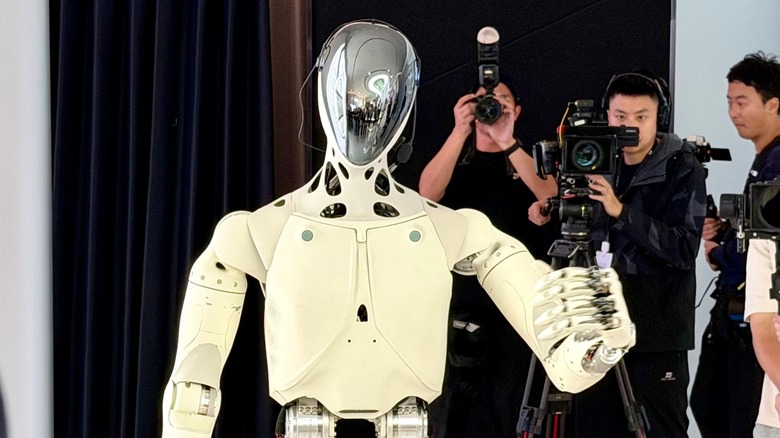
Obviously, these are not the only humanoid-robot companies working on the smart home gadget of the future. As Neura once told me, these robots look the way they do not because we need them to feel familiar, but because we projected the world to work for humans. So, these companies need to design robots that function in our environments.
That said, the current stage of these robots shows that it will still take several years for them to go mainstream or even perform generic tasks when prompted. Also, expect a lot of regulation as these companies try to figure out the capabilities of these robots, what they can and can't do, and how they will behave in real-world scenarios.
Even though you might be able to buy a humanoid robot from a company or two, there won't be much you can do with it. The hardware is almost good enough, but as mentioned above, it still requires better software and a deeply integrated AI, which are not here yet.