

Dolby Audio Vs. Dolby Atmos: What's The Difference?

Dolby is a tech company that develops proprietary audio and imaging technologies that the audiovisual industry uses for film, TV, streaming, gaming, and hardware. While Dolby isn't the only audio technology option, it's widely adopted. Speakers, TVs, consoles, smartphones, tablets, projectors, vehicles, and many more products support Dolby Audio and many of those support Dolby Atmos as well. The main difference between these two technologies is that Dolby Audio focuses on 2D audio experiences, while Atmos brings a 3D experience to life. Still, there's more to know about them.
After all, Dolby Audio is also the umbrella term for all of Dolby's audio technologies, such as Dolby Digital and Digital Plus. It ensures playback and surround sounds to sound consistent, and it's key to mono and stereo experiences. In other words, you should hear dialogue without needing to turn up the volume or listen to an explosion or a loud sound in a show or movie without having to turn it down. Dolby Audio brings consistency to your audio experience. Dolby Atmos, on the other hand, acts like a layer on top of Dolby Audio as it goes from a 2D version to 3D.
Dolby Atmos was introduced in 2012. However, it didn't really get popular until 2021, when Apple introduced Dolby Atmos with Spatial Audio for Apple Music; highlighting, at the time, that it was the only music streaming service with that technology.
Dolby Atmos complements your Dolby Audio experience
The difference between Dolby Audio and Atmos is that Atmos is a 3D multichannel surround sound format, whereas Dolby Audio has only two channels, max. However, if you do see a Dolby Atmos-capable product, it will also feature Dolby Audio technology, as it brings crisp, clear sound by letting you hear every detail.
For example, by taking advantage of Dolby Atmos-capable products, like AirPods, users can enjoy a 360-degree sound experience with head-tracking. Apple also pushed this technology for its Apple TV shows, making the audiovisual experience even richer. Other music and video streaming services also offer this experience if you have devices (like a smartphone/TV and earbuds/headphones) that support it.
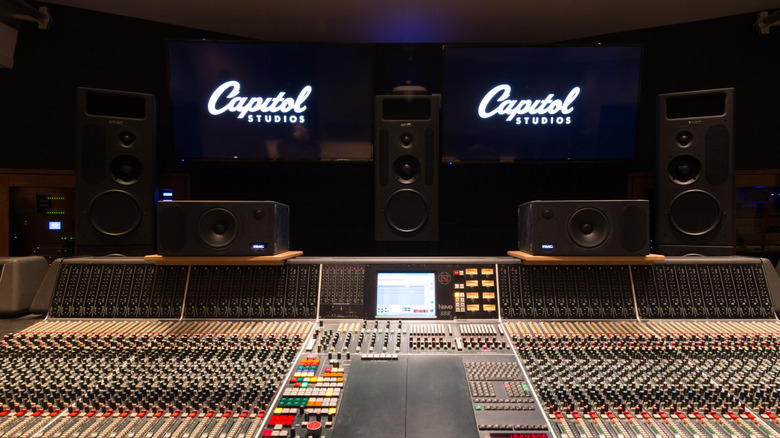
As Dolby explained during my time in the new Apple Music Studio in Culver City, Dolby Atmos can transform a 360º surround experience that you could only have in a proper studio into a technology that can be mimicked into something like your AirPods. Apple demonstrated how "Rocket Man" by Elton John sounds in a studio. While the loudness and very expensive studio audio products gave me chills and a tear or two, I can still have a similar experience with my AirPods Pro 3. The next time you see a product with Dolby Atmos support, you'll know it also features Dolby Audio, but not necessarily vice versa.