

A Chip Shortage (And Price Jump) Is Coming For Your Next Smart TV - Here's Why
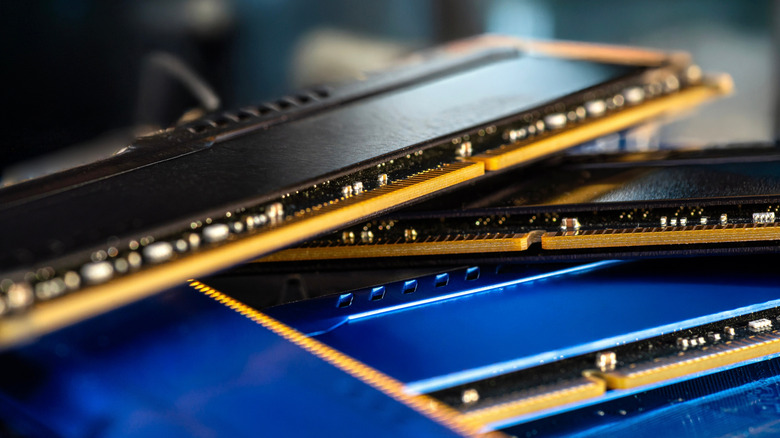
There's a new memory chip shortage and its effects are likely to reach consumers faster than expected. As you probably guessed, the chip shortage is driven by AI. New AI data centers are being built, and they're gobbling up the RAM market at a global level. Fewer memory chips are available for everyday electronics such as smart TVs, smartphones, and laptops. Major manufacturers, including Samsung Electronics, have already warned that memory prices are rising and that higher costs will spread across the market.
Since some memory chip prices have already risen drastically, it's possible that manufacturers will pass the costs on to their customers. As AI data centers continue to expand and compete for the same components, the balance between supply and demand is shifting. Samsung, Micron, and SK Hynix account for the majority of global chip production (over 90%, according to the Wall Street Journal), and it's likely that orders from AI companies will be prioritized over consumer device manufacturers going forward. In a press release, Micron confirmed its plans to pull out of its Crucial consumer business entirely.
Still, there are reasons for cautious optimism. Chipmakers are investing heavily in new production capacity. This means that if AI demand stabilizes over time, supply conditions could make chips more affordable at the consumer level.
Samsung predicts surge in memory chip demand
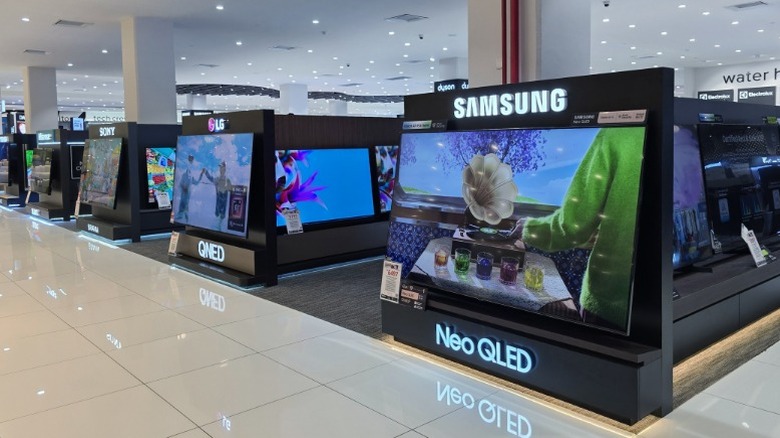
A serious memory chip shortage is looming. At CES 2026, Samsung's head of global marketing went on the record with Bloomberg, warning that price increases would be expected across not only Samsung products, but the overall industry. Combined with limited supply for memory chips, this means price increases are now likely for any consumer electronics that depend on them. According to Reuters, Samsung has already raised memory chip prices to 60% from September to November 2025 for some products.
The impact on smart TVs is likely to show in higher retail prices, but the exact figures will vary depending on the region and the screen size. Even mid-range TVs could cost noticeably more than they did in previous years. Memory components like DRAM and flash storage now account for a larger portion of the total production cost. Storage is becoming a problem for new phones for the same reasons. Samsung's warning is clear: Memory chips are becoming scarcer and more expensive. That will reflect on the prices of smart TVs, phones, computers, and any other piece of tech that relies on them.
Why is the chip shortage happening?
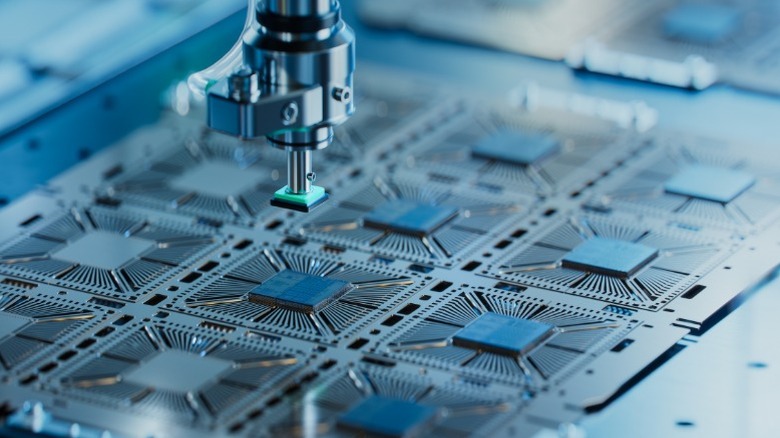
The memory chip shortage is driven by a massive shift in technology demand, especially from AI systems. Memory chips like DRAM and NAND are essential for storing and processing data in computers, phones, and TVs. But these same chips are also used in AI data centers and servers that run large machine-learning models. Major AI companies are placing huge orders for memory to feed their systems, signaling a global race to harness the technology.
AI workloads are much more memory-intensive than typical consumer devices. They need vast quantities of RAM to function. That means there's less RAM available for consumer electronics. Supply can't keep up with both, and the manufacturers are choosing to produce for more lucrative AI orders. As a result, your next TV and computer will cost a lot more. The production capacity can't be simply expanded. Building new factories takes not just years, but also billions in investments. Even the existing factories can't be repurposed overnight without losing yield or performance.
The rise of AI has transformed memory chips from a commodity to a strategic bottleneck. Consumer electronics companies must now compete with data centers for the same parts. And when demand is higher than supply, prices go up. This dynamic now threatens to push the costs of smart TVs and many other devices.