

What Do EV Car Warranties Really Cover?
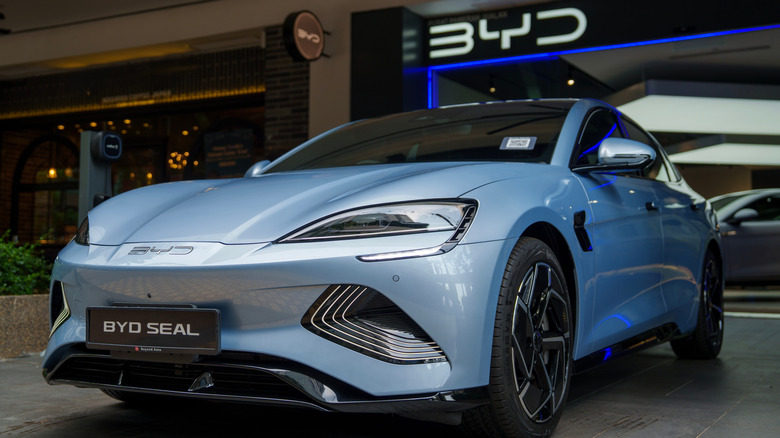
For someone interested in buying a new electric vehicle, the warranty is something to keep an eye on. It plays a major role in significantly affecting not only the overall cost of ownership but long-term satisfaction with the EV as well. In particular, the power battery and thermal management systems that keep these cars working can be complex. They also are expensive to repair, since not every mechanic has the ability to handle those components.
While there are certain electric vehicles that stand out for reliability, factors like what the warranty covers are worth considering. Since these vehicles can be expensive, spending money on repairs at the first sign of trouble can be infuriating. Fortunately, most EV manufacturers offer protection plans designed to help owners when their cars need more than just mechanical assistance — they also typically cover problems with the vehicle's battery and electric motor systems.
Since electric vehicles are such an investment, and because they use cutting-edge technologies, it's important to know how your EV warranty works beforehand and what kind of support you may have when it becomes necessary. This is especially relevant as battery coverage can vary drastically, even among the best electric vehicle options.
EV car warranties cover the battery pack and electric motor
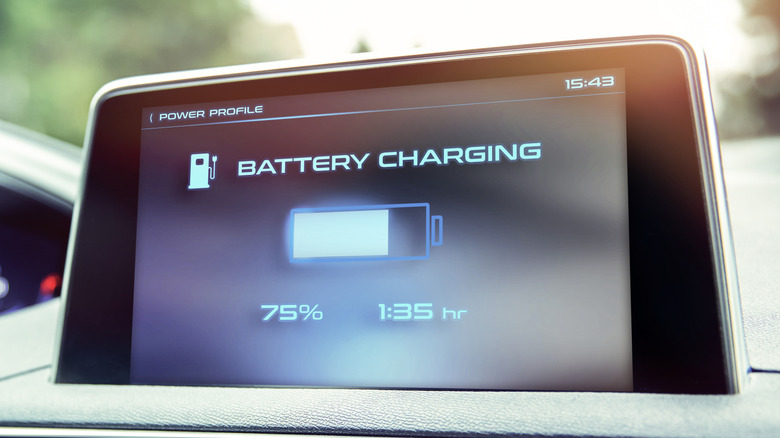
The good news is that EV warranties routinely come with bumper-to-bumper coverage, which means that most parts and systems from front to rear are protected against potential defects. Like gas cars, electric vehicles tend to come warranty periods of three years or 36,000 miles, whichever comes first. Meanwhile, the average powertrain warranty for a gas-powered vehicle is five years or 60,000 miles. However, powertrain warranties for EVs are longer than their gas-powered counterparts, typically lasting eight years or 80,000 miles.
This is a critical difference, as it is meant to provide extended coverage to the most important parts of an EV: The battery pack and electric motor. In many cases, this warranty also guarantees a minimum level of battery capacity over time, thereby protecting owners from degradation. This may vary, since every automaker has their own coverage rules for electric motors and batteries in their EVs. When batteries fail, the better option is always to replace them instead of having repairs done on your EV, and this extended coverage helps manage those costs.
As far as how warranties on EVs differ, one of the better options for those who want to put plenty of miles on their vehicle is VinFast. The manufacturer offers unlimited miles across 10 years for its vehicles, though this doesn't cover any battery capacity degradation. Meanwhile, for brands like Tesla and Hyundai, coverage may vary according to the model, but is typically somewhere between 100,000 and 150,000 miles over a period of eight to 10 years. These manufacturers also offer any significant battery capacity loss beyond 30%.
Wear and tear items like tires are not covered
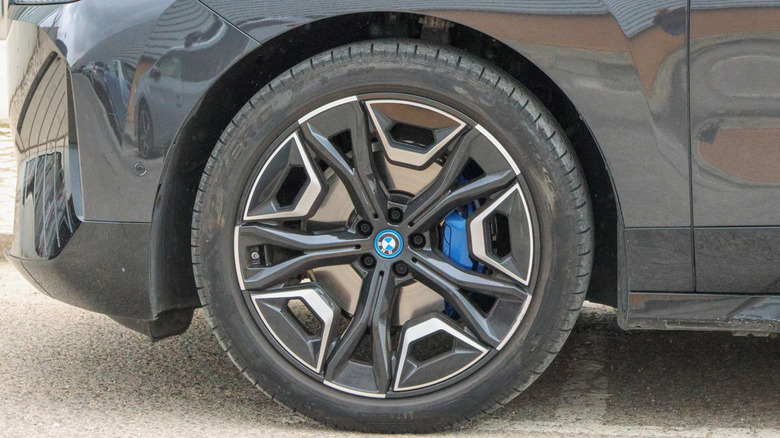
While the most critical components of an EV are covered by their warranty, some parts are excluded because they are considered wear-and-tear items. Brake pads and windshield wiper blades are some of those, since they're meant to be replaced after a while. As a result, these items are often excluded from the factory coverage that manufacturers offer, letting the owner pay for replacements once they wear out.
Tires are also included in this list of wear-and-tear items. The average cost of tires is something that users must consider when buying a new EV, since tires wear out quicker on an electric vehicle than on a regular gas car. EV tires can wear almost 30% faster, as electric vehicles are heavier than their counterparts due to the extra weight of their battery banks. Combined with the instant torque and better acceleration provided by EV motors, tires tend to need more frequent replacement.
New EV owners also need to be cautious, as some actions can invalidate the car warranty. It's better to avoid things like using a charger that doesn't follow the company standard, installing unauthorized modifications, and even forgetting to install software updates — doing any of these things can void your coverage. Using the EV battery as a power source for your home is also a no-go, with companies like Tesla even making a point of this in their policy documents.