

Big Changes Are Coming To USBs In 2026
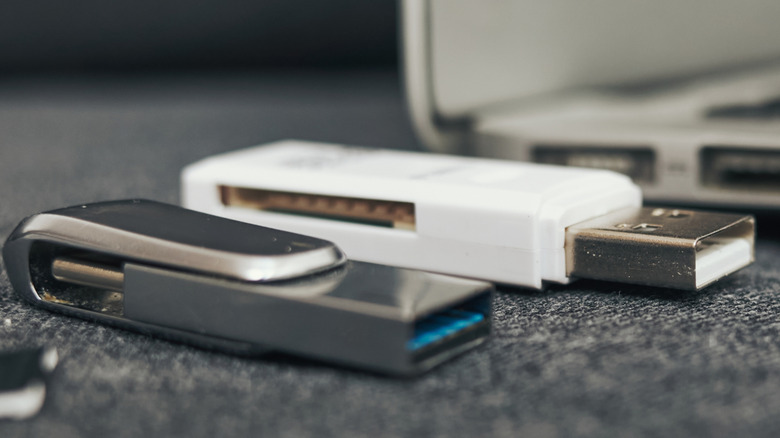
The tried-and-true USB port is part of our everyday lives — charging our devices, transferring and backing up data, and keeping our PC accessories connected and working. While USB is something of a standard format, 2026 will see some exciting changes to how we use it. Whether you're someone who's always on the lookout for cool gadgets that use your Phone's USB port or don't even know what each USB type means, this could be good news for you.
The short story here is that tech manufacturers are starting to leverage AI technology to help our USB ports increase and optimize their inherent speeds. ASUS, specifically, is launching a brand-new "AI accelerator" that'll allow for on-device generative AI and higher speeds with existing ports. This is also the year we're going to see some key changes take effect in the EU for common USB charging expectations.
New USB tech is here for the AI age
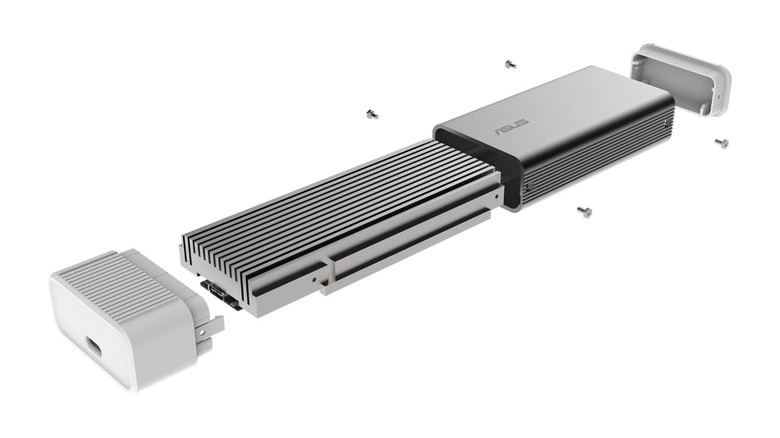
In the simplest of terms, not all USB devices are created equal. As 2026 gets underway, there are some important things to consider. First, the price of solid-state drives is getting more competitive as the years go on (despite the price of laptops going up due to RAM prices surging). What's more is that thumb drives are now starting to employ higher-end transfer chips to bring solid transfer speeds — all without costing all that much more than the thumb drives you're used to from the past. This current landscape of USB-connected external media is an exciting opportunity for consumers.
Big names are also starting to consider how external USB devices can be important players in the AI and large-language-model space. PC-connected AI accelerator cards aren't exactly new, but that format traditionally requires you to get the card hard-loaded into your rig.
ASUS answered by unveiling its UGen300 — which the company claims is the first USB-connected AI accelerator. The card allows for a degree of AI processing to happen locally, so you can streamline your workflow without tapping into expensive external models. It does it all connected to your USB 3.1 gen 2 slot.
The European Union will now be enforcing their common charger rules
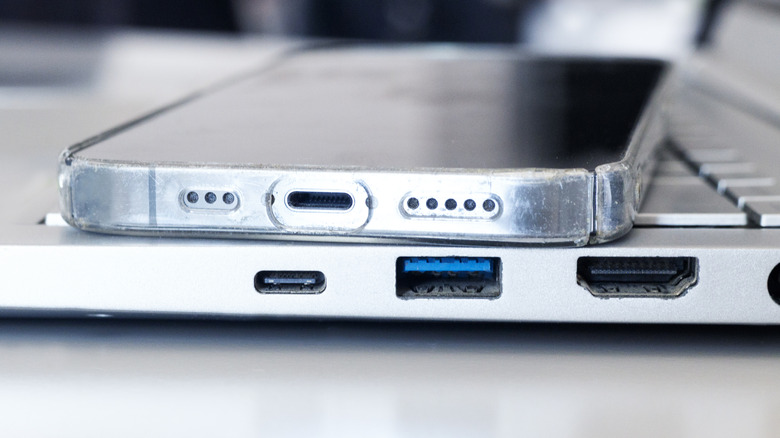
On the charging side of things, there's another interesting story brewing for 2026. As the European Union has continued to push for consumer-friendly tech innovation, it's going to finally see more specific USB "common charging" requirements go into effect later in the year. The EU had employed a commission to consider just how varied the market is for mobile devices and laptops that all use charging ports. They looked closely at how much variance there is among charging requirements, even examining proprietary, non-USB-C ports in some devices.
In late April 2026, there will be a slew of new requirements for products sold in the EU, requiring that all devices use USB-C as the standard port. Additionally, manufacturers will be required to provide clear, transparent expectations of the charging needs for their devices, and cannot force or bottleneck certain fast-charging speeds for only proprietary chargers. This, in theory, will all help to level the playing field and ensure your chargers work across devices without as many headaches.