

You Should Always Check Any Amazon 'Deal' Before You Buy - Here's Why
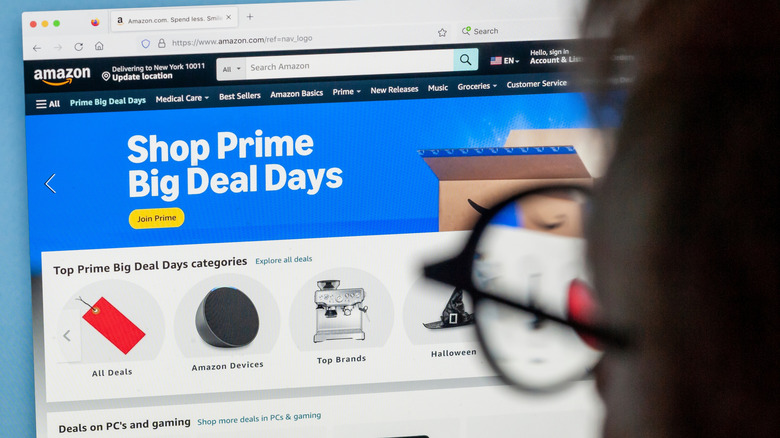
Amazon can be an easy one-stop shop for everything from tech and toys to clothes and even food. If you've got your eye on an item and see it at a huge discount, however, you may want to double-check. Not every Amazon sale is actually legitimate because sometimes sellers hike up prices and then mark them down to make it look like you are getting a great deal when you actually aren't.
During Amazon's Prime Day sale event in July 2025, the Skullcandy headphones were advertised as selling at a massive discount. The listing claimed a 44% price slash, reducing their price to $75.99 from $134.99. However, the higher price was misleading as these headphones were never sold at $134.99. In fact, they were never before listed for over $110.
This is just one example that has been brought up in legal action taken against Amazon for misleading sales and deals. So, if you see a price that seems too good to be true, or that you think is inflated in some way, you may be right. Luckily, there are apps you can use, such as CamelCamelCamel, that independently track Amazon price history so that you don't get fooled into a bad purchase.
Not every Amazon deal is real
Amazon is currently in a lawsuit that was filed in September 2025 by two consumers in Washington state. The suit alleges that Amazon has fake deals during Prime Day sales and points to multiple specific instances of misleading prices, such as the Skullcandy headphones mentioned earlier. The lawsuit states that Amazon uses the limited Prime Day window to build time pressure on consumers so they end up buying things that aren't really on sale. The suit even points out that in some cases, the consumer might actually pay more for the item because its supposed sale price is actually higher than what it is normally listed for.
This certainly isn't the first time Amazon has been in legal trouble for misleading its customers. Amazon has previously refunded $2.5 billion to Prime customers for allegedly tricking people into signing up for the membership. Amazon is also facing a proposed price gouging lawsuit. The specific situation for the proposed lawsuit involved the COVID-19 pandemic, stating that sellers on Amazon inflated prices by as much as 1,800% on essentials like toilet paper, medicine, and face masks. The suit claims that Amazon should not have allowed this type of activity on its site. These legal battles highlight that prices on Amazon are not always what they appear. While third-party sellers may control what prices they list and how much they inflate them, Amazon has a responsibility to keep prices fair and sales real.
How to check if an Amazon deal is good
Amazon has its AI assistant called Rufus built into the website that is supposed to help you track price changes of items, among other things. However, given these legal battles, it's understandable to be wary of built-in systems. An independent, third-party price tracking app could be the way to go to ensure the deal you get is a good one.
One such app is called CamelCamelCamel, or The Camelizer. It can work as a free browser extension and track Amazon price changes for products across their history and can even give you alerts when an item is on an actual, real sale. You can do a search for products through a search bar on the site, and you can also browse the home page to see some highlighted deals. Note that CamelCamelCamel earns a commission on purchases consumers make through the links it provides.
If you don't want to bother with either Rufus or CamelCamelCamel, you can do some clerical work yourself to track the price of a product. Use a spreadsheet or document to track an item's price that you are thinking about buying. Take screenshots to verify what you are seeing. When that item goes on sale, you will have proof if it is actually a good deal, or if you are being scammed.