

Ditch Modern Digital Alarms For This Retro Solution

We may receive a commission on purchases made from links.
We depend on our alarms in the morning to get us up in time to go to work or school, and lately, smartphones have become the go-to choice for this task. We have our phones near us all the time, after all, so it's easy to take advantage of their proximity and useful features like custom alarm sounds. Is it always the best idea, though, to use your phone or your smartwatch to wake you up in the morning?
A better solution may be to use an analog alarm clock. It is simple and sleek. It has no extra function other than telling the time and waking you up in the morning, reducing the complexity of your life and your gadgets. It requires no app to download, no special login or password, and it doesn't sell your data to advertisers. In that way, it can be a very nice break from the annoyances of the modern digital world.
Analog alarm clocks wake you up with a traditional ringing sound. That type of noise can be excellent for people who are very deep sleepers and miss some of their digital alarms. It also means you don't necessarily have to keep it right next to your bedside if you don't want to, because it can be loud enough to be used in larger rooms.
Wind-up and battery-powered analog alarm clocks to consider
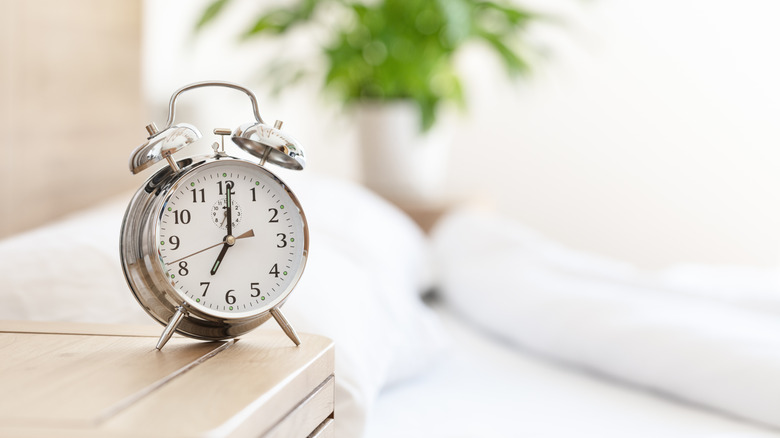
One analog alarm clock you can look into is the Westclox Keywound Analog Alarm Clock, available on Amazon for $14. It does not require batteries, charging, or any type of cable connection to keep it running since it is a manual wind-up clock. At just over 4 inches in diameter, it doesn't take up much space, but it's also big enough to easily read the numbers. Overall, customer reviews are positive, but some point out that if you are not used to key-wound analog clocks, there can be a learning curve.
Another option is the Equity Black Analog Wind-Up Alarm Clock from La Crosse, which is available on Amazon for $14. This one also requires no batteries or chargers, but it does have an extra feature. Its clock hands are illuminated in the dark to help you tell the time at night if needed. It claims that it can run for 30 hours on a single wind. This one also has generally positive reviews, with some complaints that it is hard to wind.
Note that these are just two of many different models of analog alarm clocks you can find online or at physical retailers, and these products were available at these prices at this time of writing. Though they aren't very expensive, if you are looking to save even more money, you might want to time things out and purchase them on one of the best days to buy tech on Amazon.
Why analog can be better than digital
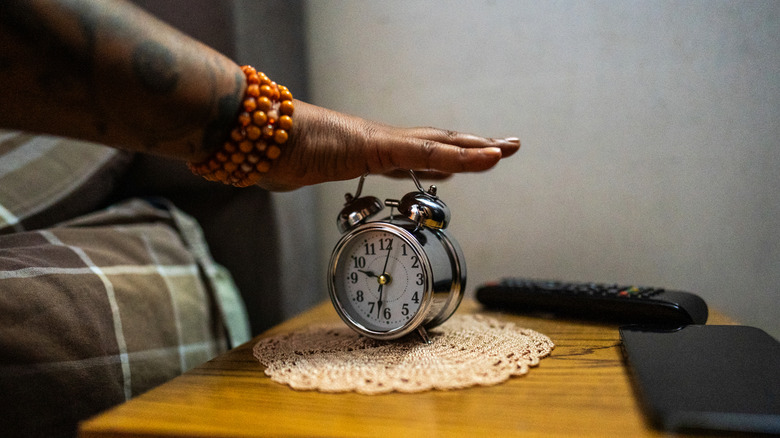
The simplicity of an analog alarm clock is appealing, but there are even more reasons to stop using digital alarms like your smartphone or your smartwatch. First, there is a chance that your battery might run out in the middle of the night. If you have your phone running all day, then forget to charge it, you're at serious risk of oversleeping. That's much less of a problem with battery-powered analog clocks, and the wind-up variety can even keep you on time throughout a power outage.
The whole concept of a bedside smartphone might even be causing issues for you. For one, you might be woken up by notifications during the night, and the urge to check them might prevent you from sleeping in the first place. When you turn your phone's alarm off in the morning, you may also be greeted by a handful of notifications. While they could be texts or missed calls, they also might just be app notifications, ads, and spam. That is a lot to put on your brain first thing in the morning, and it's why many recommend that you charge your phone neither on your nightstand nor on the bed.
Early research has indicated that smartphones are bad for our sleep routine. Over-reliance on your phone, keeping it on hand and turned on all day long, has also been shown to form a bit of an addiction. This has a negative impact on our brains, reducing cognitive abilities, increasing depression and anxiety, and reducing our levels of happiness overall. For your alarm clock, perhaps going analog can provide some welcome relief from the digital realm.