

Is The Annual Phone Upgrade Cycle Finally Dead? Here's The Reality
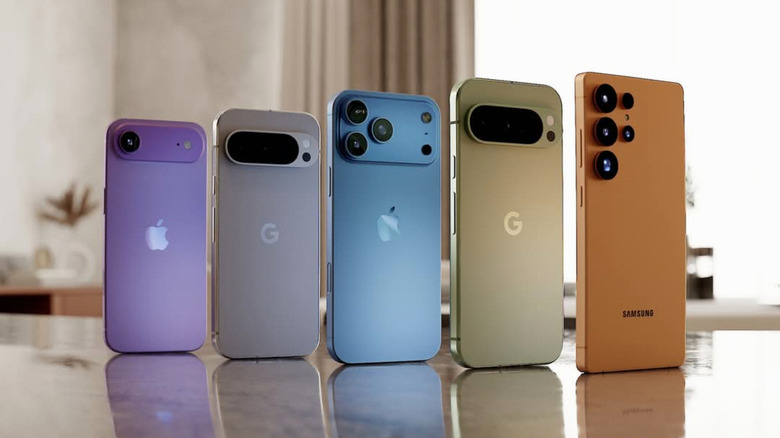
If you feel annual smartphone refreshes have been the norm forever, you wouldn't be wrong. Apple has given us new iPhone models every year since it released the first iPhone in 2007. Similarly, Samsung started its Galaxy series in 2010 and has refreshed it every year, and new Google Pixel models have also been coming out annually since their inception in 2016. This yearly cycle has been going on for nearly 20 years, with some users upgrading their devices with almost every new release. But lately, people are starting to wonder how much longer this cycle will last.
The yearly refresh no longer makes as much sense for many reasons, which we'll get into in a minute. Skipping to the conclusion: this cycle is no longer necessary, but it is not dead because it still makes sense to phone manufacturers. For companies like Apple, the yearly refresh is guaranteed revenue, so as long as there's still a dedicated chunk of consumers willing to upgrade every year, they're unlikely to stop by choice.
We can assume phone manufacturers will always try to maximize profit for as long as they can. If that's the case, breaking the cycle would require the number of users who buy new models every year to shrink to the point where the annual refresh became unprofitable. And although consumers definitely are keeping their phones for longer now, we will have to wait a few more years before we see big changes from big companies.
Why the yearly refresh doesn't make sense anymore
The arguments against the yearly upgrade cycle are plentiful. To start with, it's rough on the environment. Of all the annual emissions generated by smartphones, around 83% are estimated to come from the manufacture, shipping, and first-year usage of new phones. In other words, fewer new phones each year would lead to fewer emissions.
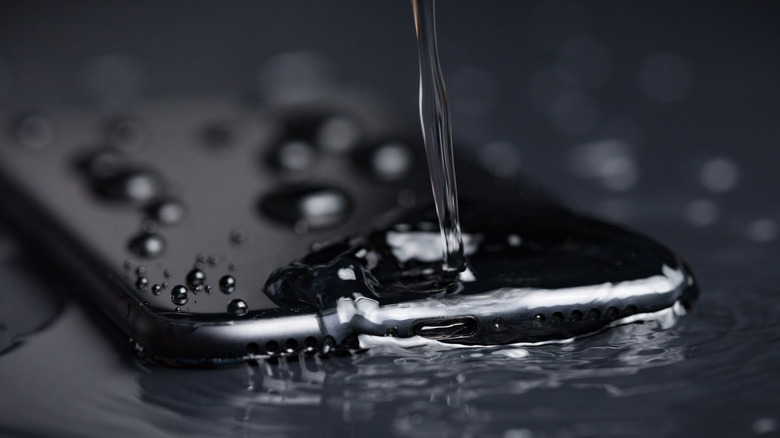
On an individual level, buying a new phone each year just doesn't make sense anymore. More and more of the top smartphone brands are now promising at least five years of software updates for their devices, and the build quality has gotten so good that phones can handle drops and water immersion like never before. Compared to 10 years ago, they're simply built to last — for longer than a year, at least.
It's not all about necessity, however. Many people upgrade their phones just because they like to have the latest model, and there's nothing wrong with that. But it may feel like every new phone looks the same as the previous one, to the point that even the iPhone 17 feels boring. New features seem to be slightly improved versions of existing ones. This definitely takes some of the fun out of phone shopping, giving us yet another reason to hold onto our current model for a bit longer.
What could end the yearly smartphone upgrade cycle?
Currently, data suggests that as many as 20.6% of U.S. smartphone users upgrade their phones once a year (or more). And since around 91% of Americans own a smartphone, that's a minimum of 64 million new phones every year, not counting less frequent buyers who happen to upgrade that same year. If the frequency of phone releases declined, it would be because many millions of people decided to upgrade their phones less often. But what might encourage, drive, or enable people to make this change?
For one thing, while phones last longer now, their lifespan is still limited — largely due to bulky operating system updates. It's a known problem, for example, that iOS 26 is slowing down older models – I have experienced it firsthand with my iPhone 13 mini. For people to keep their current phones for longer, this pattern of big OS updates would have to change.
Alternatively, we would need more device options to choose from. These could include phones built to last a decade, new operating systems that offer features not on iOS and Android, and different hardware styles to suit different tastes, such as folding phones, small phones, and sleek phones with physical keyboards. More products would mean more competition, and if competitors made longer-lasting phones and longer release cycles popular, it would put pressure on the current leaders to adjust their own tactics. It won't happen today or tomorrow, but alternative devices are on the rise, and more could be on the way.