

5 Android Features Google Recently Added To Your Phone
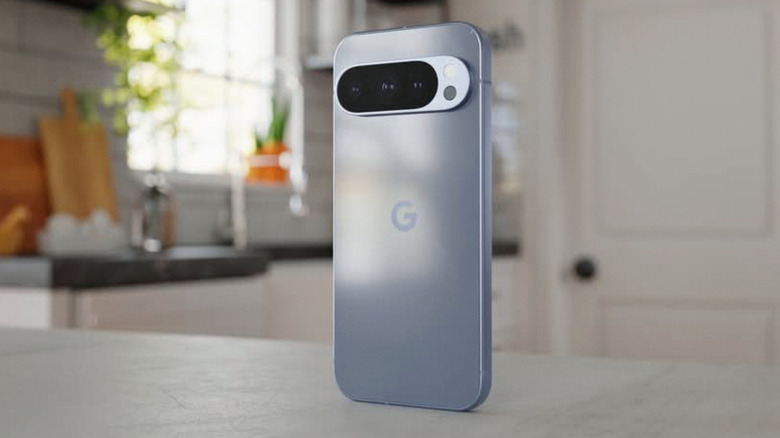
Google constantly adds new features to Android, which is one of the many benefits of buying a new Android phone. The platform is always evolving, whether through its individual apps, like Drive and Photos, or through system-level updates that change the core systems as well as the operating system. But Google also has a penchant for releasing updates slowly (known as a rolling release), while also A/B testing features that may never see a wider rollout. In other words, unless you frequent the handful of Android blogs that catalog these changes, you'll likely be unaware of which features have recently launched, especially at the breakneck speed at which many of these updates are dropped.
This is why we've compiled a handy list of the top features Google has recently added to your phone, from performance improvements to the inclusion of new themes. So, if you're curious about how Google has improved Android as of late, here are the standout features you may have missed.
Material 3 Expressive
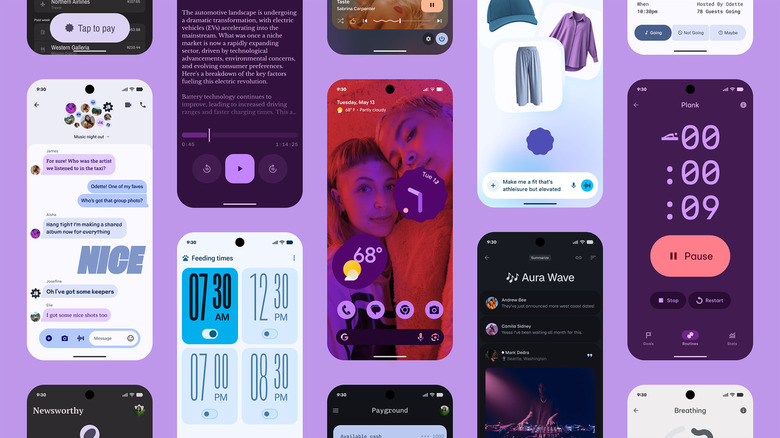
Google has offered more than a few design languages over the years, including Holo, Material Design, and Material You. The latest is called Material 3 Expressive, and it launched with Android 16, bringing new colors, icon shapes, typography, and animations. This also extends beyond the OS, as Google has been updating its first-party apps with the same design, including Gmail, Drive, Messages, Keep, and Photos. While Material 3 Expressive was first exclusive to Pixel devices on Android 16, if you use any of Google's updated apps on other devices, many offer the design.
Of course, not all Android users are pleased with the Material 3 Expressive updates. While Google claims the design is more accessible, users have noted that some icons are too large and that the design is inconsistent across apps and the OS, lacking the cohesiveness of earlier designs like Material You. But opinions can change, and now that people have had time to get used to the new design, it seems some are warming to the flashier animations and larger buttons of Material 3 Expressive.
At the end of the day, it's clear that Google will continue to push the bounds of its design language for Android, and Material 3 Expressive is only the latest iteration, one that will likely be missed when the next version launches, much like Material Design is now. And hey, at least we aren't still stuck on Holo's cold and flat blues and blacks.
Advanced Protection Mode
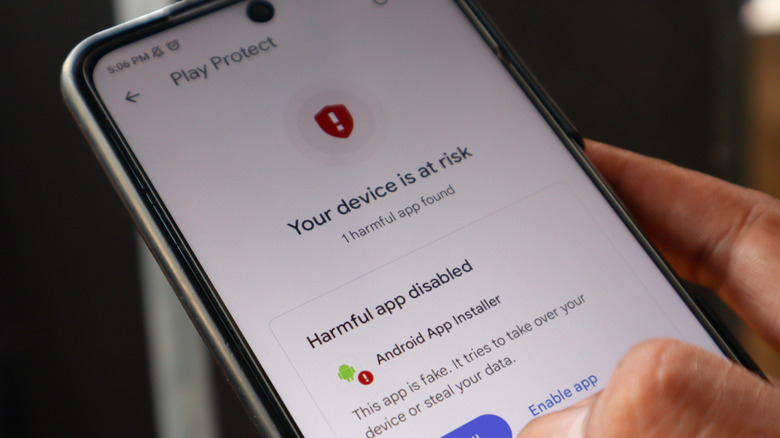
Now onto a new feature that's a little more controversial. Google recently added Advanced Protection with the arrival of Android 16. It offers stronger security by setting Google Play Protect to automatically scan for risky software, while also limiting app installs to the Play Store. Basically, it blocks sideloading. For now, Advanced Protection Mode is optional, and you must opt into its enhanced security settings. Though Google has already confirmed that more friction is coming with sideloading, fears of further OS lockdown are warranted.
Still, the option to add an extra layer of security to an Android device with a simple toggle to turn on Advanced Protection mode is certainly welcome. Even Google states that this mode is for "at-risk users," such as public figures who could be easily targeted. Of course, taking advantage of this extra layer of protection for your kids or non-tech-savvy parents should be plenty useful too, especially by keeping the only installable apps to those vetted by Google and listed on the Play Store, with Play Protect scanning every install.
So even though Advanced Protection Mode could be inching us closer to a world where sideloading gets the axe, its current iteration as an opt-in setting is the most unobtrusive way to handle its release. If you're currently on Android 16 and wish to increase your device's security, Advanced Protection Mode also adds spam protection against suspicious links and blocks connections to low-security networks, so it's worth exploring.
Live Updates
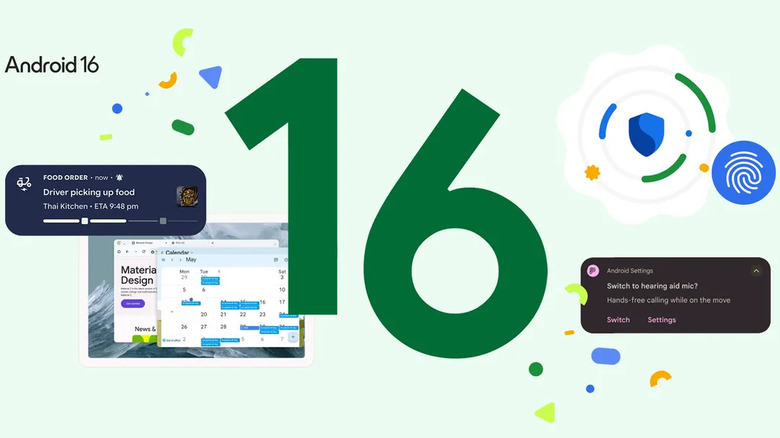
If you're familiar with Apple's Live Activities, then you'll have a good understanding of what Android's Live Updates bring to the table. Released with Android 16, Live Updates offer real-time notifications that you can easily see in your status bar and lock screen, such as when you order food from DoorDash or a ride from Uber. The idea here is that this keeps you from having to open apps just to check pertinent information. Better yet, users can decide which apps can take advantage, keeping this information available for necessities while shushing the more annoying implementations — despite being impossible to turn Live Updates off system-wide.
This is where Google will have to be careful with Live Updates. While the company stipulates this feature can't be used commercially, such as spamming your phone with deals and sales, this doesn't address battery drain, especially if you have multiple updates running at the same time, as they are continually updated. Google also stipulates that Live Updates must have a clear beginning and end; otherwise, they could end up edging out other traditional notifications and taking over their limited space.
There are certainly apps where Live Updates are handy, like Google Maps' turn-by-turn navigation, conveniently displayed on the lock screen, but persistent notifications can be easily abused by bad actors. Google has its work cut out for itself to keep the feature useful and informative rather than a nuisance.
Support for 16 KB page sizes
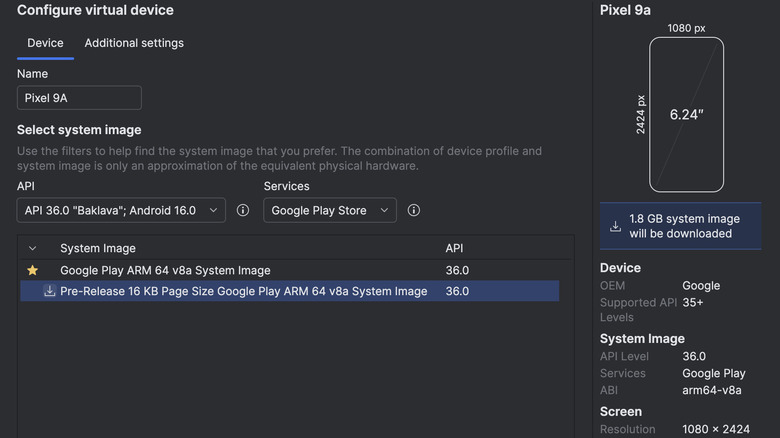
Starting with Android 15 and continuing with Android 16, support for 16 KB page sizes in apps is available. Up to this point, 4 KB page sizes were the standard on Android, but with Android phones offering more and more RAM every year, a portion of this memory can now be used for larger page size support, even exceeding 16 KB if a developer wishes. This provides snappier performance on apps that take advantage of it by reducing demand on the CPU and allowing more data on a single page, which also lowers power consumption.
Support for 4 KB page size is still in the mix thanks to a compatibility mode on Android 16, so there's legacy support for apps that can't handle 16 KB page sizes yet. Still, you've likely been using plenty of apps that have made the switch if you're on Android 15 or newer and are benefiting from faster launch speeds, boot times, and faster camera starts, especially now that newly published apps must support the larger page size. So even though this change was likely a silent one for most users, it is one everyone benefits from, well, beyond all of the developers who had to do the grueling work to support the new mandatory feature by updating all their libraries.
Quick Share redesign
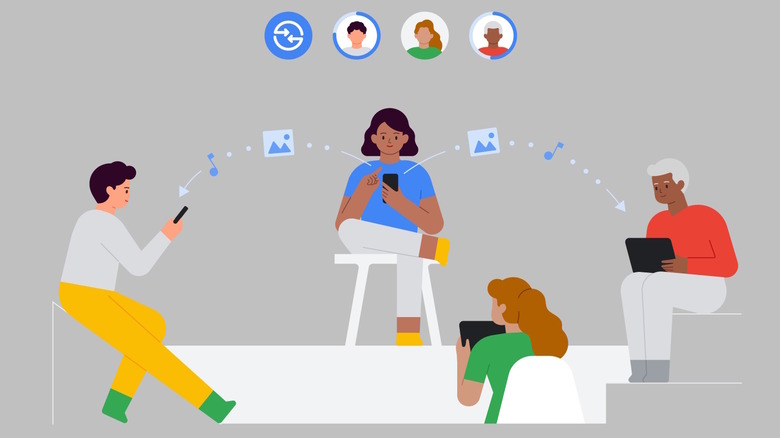
Android's wireless file-sharing feature, known as Quick Share (previously Nearby Share), has been around since Marshmallow (Android 6); however, it was redesigned at the end of 2025. Now, this feature behaves like a full-screen app, offering two tabs at the bottom that allow you to receive or send files, streamlining the process with a Material 3 Expressive design that features large, easily-clickable toggles. Best of all, you don't even have to be on a particular version of Android to check out the newly made-over Quick Share, since the update was delivered through Google Play services, meaning you can even access it on the latest Chromebooks that support Android.
Beyond the much more intuitive Receive and Send toggles, there's a new built-in file picker and preview when sending, allowing you to always double-check what you're sharing. There's even a new-ish progress indicator to keep you informed about a transfer's status.
Ultimately, adding a couple of tabs to the screen sounds like a simple change, but it ensures file sharing with Quick Share is much more intuitive than it used to be, or at the very least, less cumbersome to navigate now that you don't have to dive through menus. That's a welcome feature, no matter how you slice it, now available across Android.