

5 Phones With Batteries That Last Longer Than The Samsung Galaxy S25+
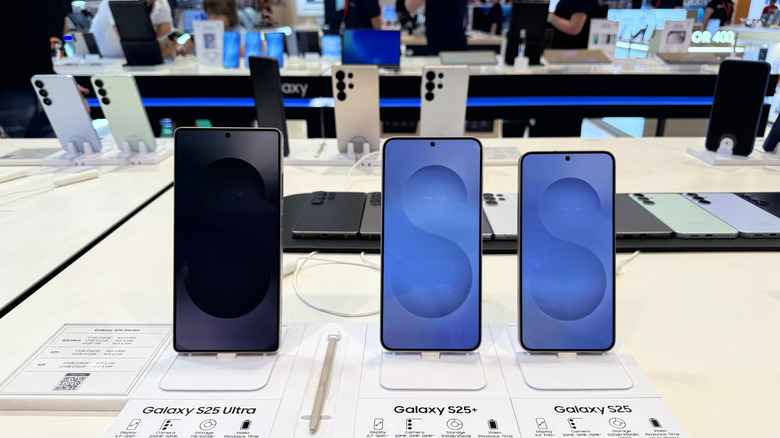
Samsung's Galaxy S25+ is perhaps the unsung hero of the Galaxy S25 series. The middle "child" of the trio, it rarely gets the attention it deserves compared with the other siblings. The Plus is the phone you go for if you need a slightly bigger display than the regular Galaxy S25 and the same design as the smaller model. As a reminder, the Galaxy S25 Ultra has a boxier design and features a built-in S Pen stylus that not everyone needs. The Galaxy S25+ is therefore the better option, a phone with a large display, high-end specs, support for seven years of Android updates, and great battery life.
But what if you're looking for a phone that's about as big as the Galaxy S25+ but you want even better battery life than what its 4,900 mAh battery pack can offer? The good news is that there are several options available to buyers, from mid-range handsets to flagships. Before we look at the following five smartphones that can outlast the Galaxy S25+ battery, we have to address the big elephant in the room: Battery life estimates from manufacturers.
When comparing battery life between devices from different vendors, the official battery life rating these companies offer can't be used objectively because vendors may measure battery life in very specific ways that aren't uniform across the industry. Instead of quoting the official battery life estimates, we relied on standardized battery life tests from two tech blogs, including PhoneArena (compound score for web browsing, video, and gaming) and Notebookcheck (Wi-Fi web surfing). The Galaxy S25+ figures are at 7 hours and 36 minutes (PhoneArena) and 19 hours and 49 minutes (Notebookcheck).
Nothing Phone 3a
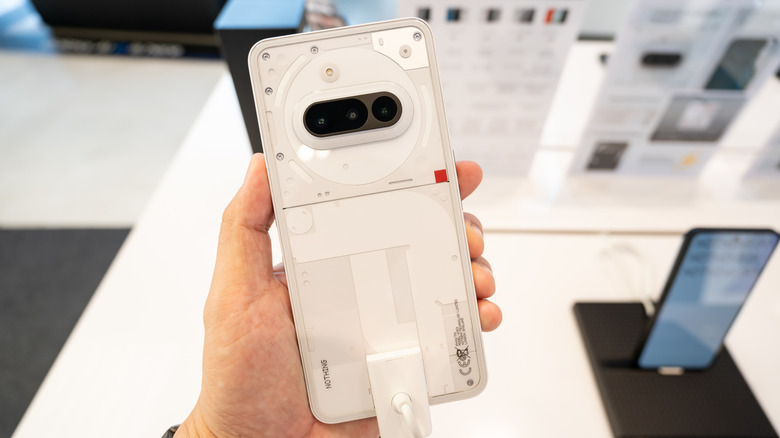
The Nothing Phone 3a may be the most surprising choice in our list of phones with batteries that can last longer than the Galaxy S25+, as the device isn't a flagship. Launched in March 2025 and priced at $379, the Phone 3a is a mid-range device with a design that will surely stand out. Like other Nothing phones, the handset has a transparent back and rear-facing lights (the Glyphs). The Nothing Phone 3a features a 6.77-inch 120Hz display with 3,000 nits of peak brightness (800 nits typical) and 2,392 by 1,080 resolution. The handset features 12GB of RAM and 256GB of storage. It launched with Android 15 on board, with support for three additional major Android releases.
The 8.4-mm-thick handset features the Snapdragon 7s Gen 3 chip that's hardly on the same page as the GalaxyS25+'s Snapdragon 8 Gen flagship processor and a 5,000 mAh battery that supports 50W wired charging. The GalaxyS25+'s 4,900 mAh battery supports 45W wired charging and 15W wireless charging. That said, Nothing's affordable phone can outlast the Plus in battery life tests. The phone has battery life scores of 7 hours 38 minutes (PhoneArena) and 20 hours and 33 minutes (Notebookcheck).
iPhone 16 Pro Max
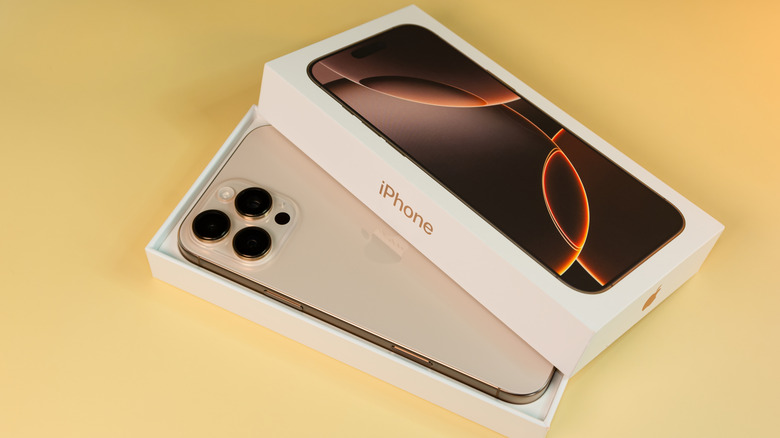
Switching gears to the other mobile platform available to consumers, iOS, we'll highlight the iPhone 16 Pro Max flagship that Apple launched in September 2024 as a better battery alternative to the Galaxy S25+. The handset is the only model in this list that features a smaller battery than the Galaxy S25+, at 4,685 mAh, but it still manages to outlast the handset. The 6.9-inch iPhone runs on Apple's A18 Pro chip, paired with 8GB of RAM and 256GB of storage. The LTPO OLED display has a 2,868 by 1,320 resolution (vs. 3,120 by 1,440 for the S25+), supports 1-120 Hz refresh rates, and has a maximum brightness of 2,000 nits (1,000 nits typical brightness). Apple doesn't guarantee software updates for its handsets, but iPhones routinely receive over five years of software updates. That said, Apple no longer sells the iPhone 16 Pro Max, which was discontinued when the iPhone 17 series launched. The iPhone 16 Pro Max started at $1,199 in 2024, and some third-party retailers may still stock it.
Battery life scores sit at 8 hours and 30 minutes (PhoneArena) and 20 hours and 49 minutes (Notebookcheck). The iPhone supports up to 25W wireless charging via MagSafe/Qi2, while the Samsung handset is only Qi Ready. That means the S25+ supports 15W wireless charging, but it doesn't have magnets on the back.
Asus ROG Phone 9 Pro
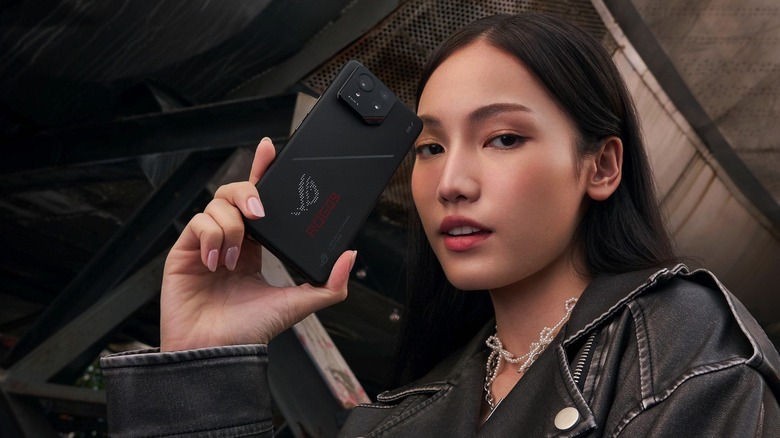
The next phone on our list is the Asus ROG Phone 9 Pro gaming phone. It's also several months older than the Galaxy S25+, having been unveiled in mid-November 2024. Unlike the Nothing Phone 3a, the Asus ROG Phone 9 Pro is a flagship handset, priced at $1,199 at launch for the 16GB/512GB configuration. The handset offers better battery life than the Galaxy S25+, with a PhoneArena composite battery score of 8 hours and 37 minutes, while Notebookcheck's Wi-Fi test says the phone lasts for 21 hours and 2 minutes.
The ROG-branded handset features almost the same chip as the Galaxy S25+, the regular version of the 3nm Snapdragon 8 Elite chip. Samsung's phone runs a customized version, dubbed Snapdragon 8 Elite Mobile Platform for Galaxy. The Asus ROG Phone 9 Pro has a 6.78-inch AMOLED screen that supports a 185 Hz refresh rate, up to 2,500 nits of brightness and 1,600 nits of typical brightness. Samsung's flagship has a Dynamic AMOLED 6.7-inch screen that offers a 120 Hz refresh rate and a top brightness of 2,100 nits.
The Asus phone features a larger battery, at 5,800 mAh, in a thicker body (8.9 mm vs. 7.3 mm for the Galaxy S25+). The battery supports 65W wired charging and 15W wireless charging. One important Asus ROG Phone 9 Pro downside is the limited software support. Asus will provide only two years of major Android releases on top of the Android 15 OS it shipped with. Samsung will support up to 7 years of updates.
Xiaomi 15T Pro
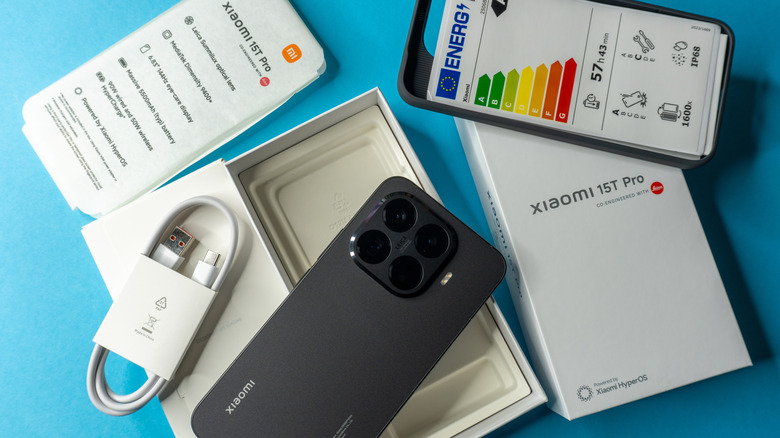
Launched in September 2025, several months after the Galaxy S25+, the Xiaomi 15T Pro is a Chinese Android flagship that's not available officially in the U.S., though buyers may find it via third-party retailers. European prices start at €799 ($940), which makes it more affordable than the Plus handset. The phone features a 5,500 mAh battery (90W wired charging and 50W wireless charging speeds), which is only slightly larger than the Galaxy S25+. But that's enough to give the Xiaomi 15T Pro much better battery life than the Samsung flagship, according to PhoneArena (9 hours and 37 minutes) and Notebookcheck (20 hours and 54 minutes).
Like most handsets in this list, the Xiaomi 15T Pro is a flagship device, featuring a 6.83-inch AMOLED display with a 144 Hz refresh rate and a 2,772 by 1,280 resolution. Also, the screen can reach a maximum brightness of 3,200 nits. Specs include 12GB of RAM paired with at least 256GB of storage, and a Mediatek Dimensity 9400+ processor, a chip that may be a surprise to those Android fans looking for a Snapdragon 8 Elite variation in the Xiaomi flagship. The Xiaomi 15T Pro launched with Android 15 out of the box, but it will support six years of major Android releases.
OnePlus 15
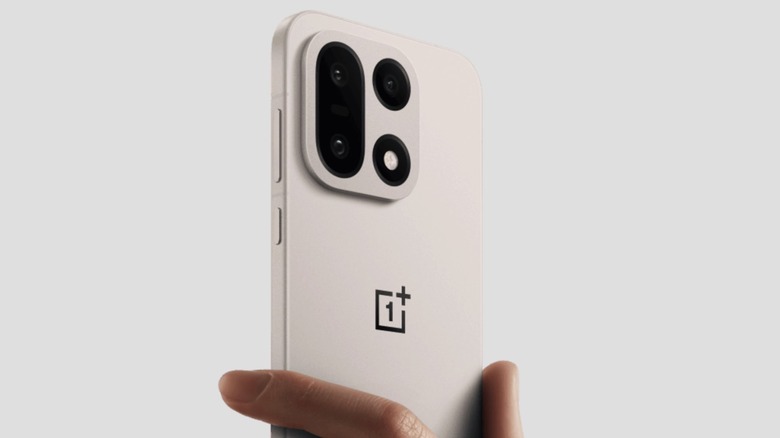
Speaking of phones running on the latest Snapdragon flagship processor, the OnePlus 15 features Qualcomm's Snapdragon 8 Elite Gen 5 chip, the same processor expected to power at least one Galaxy S26 version. The phone was launched in late October 2025, and it's available in various markets, including the U.S., where pricing starts at $899.99 before any discounts. The OnePlus flagship phone has a 6.78-inch 2,772 by 1,272 LTPO AMOLED display that supports a 165 Hz refresh rate and delivers 1,800 nits peak brightness (800 nits typical). It comes with 12GB or 16GB of RAM, with storage starting at 256GB and going up to 1TB.
What's unique about the OnePlus 15 is the battery technology. It's one of the Chinese handsets that features a large battery pack (7,300 mAh divided into two cells) thanks to a new silicon technology that Samsung has not adopted. Silicon-carbon batteries allow vendors to increase the battery capacity without making bulkier phones. The OnePlus 15 is just 8.1 mm thick, which is only slightly thicker than the Galaxy S25+ (7.3 mm). The phone also supports much faster charging speeds (120W wired and 50W wireless).
As you might have guessed by now, the OnePlus 15 has the best battery life performance of the five handsets mentioned here. PhoneArena said in November that the handset scored the best battery life ever recorded in the history of its test, a compound score of 10 hours and 44 minutes. Notebookcheck's Wi-Fi surfing test is equally impressive, with the OnePlus 15 lasting 30 hours and 42 minutes.
How we chose the phones with better battery life than Galaxy S25+
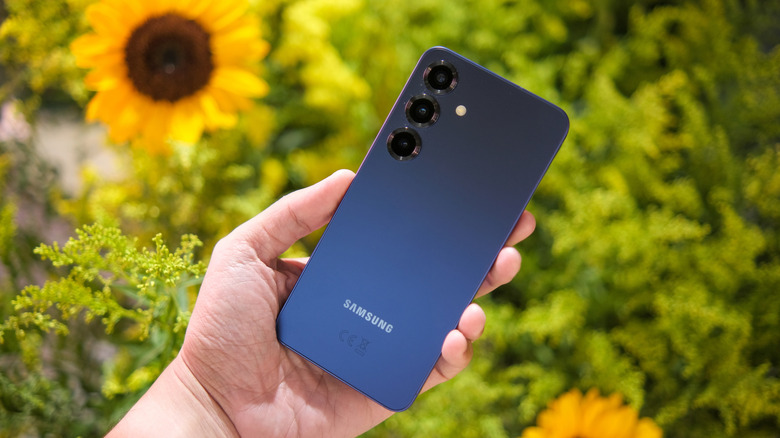
We didn't just pick the phones with the largest battery packs for this list. After all, the iPhone 16 Pro Max shows that a smaller battery can last longer than the Galaxy S25+. Factors like the chip efficiency, software optimizations, and display technology can influence battery life. Apple controls the software and hardware of its iPhones, something Samsung doesn't, so it can't optimize Android as Apple does with iOS.
While we targeted Plus-sized devices, or handsets with display sizes ranging from 6.6 to 6.9 inches, we didn't stick with only flagship-level handsets. Expensive phones feature the best possible hardware a vendor can offer, and battery life is usually a highlight. But mid-range handsets deserve consideration, as they may surprise. We also cast a wider net to include phones not officially sold in the U.S. That's because some of the newer Chinese Android smartphones feature silicon-carbon batteries that are significantly larger than the traditional batteries Samsung uses.
Finally, we tried to avoid the obvious picks, like the same-year Galaxy S25 Ultra, which features a 5,000 mAh battery so it offers better battery life than the Plus, and the iPhone 17 Pro Max, which offers better life than many Android flagships, as of this writing. Also, the Galaxy S25+'s successor isn't available in stores. The Galaxy S26 Plus should offer at least similar battery life performance, if not better, but that's just speculation.