

The Clear Sign Your Surge Protector Has Gone Bad
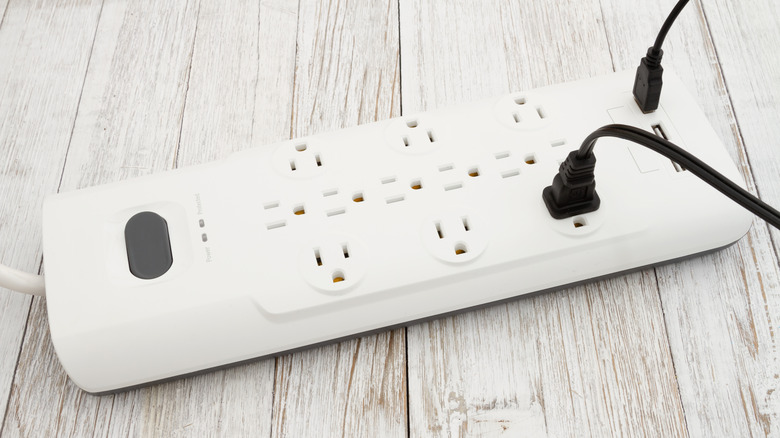
Surge protectors are the last stand — well, really, the only stand, serving as a shield between an electrical outlet and your electronics, protecting them from many common surge problems known to the techie world. Overvoltage, power surges, line noise, energy flashes or lightning strikes — which can happen and cause injuries indoors, by the way — you name it. But like all things, they don't last forever, and at some point they will fail. How do you know they're failing? How do you know it's time to swap them out or unplug all your beloved gadgetry?
You're going to laugh, but one of the best ways to know a surge protector or power strip is failing is by the smell. At least, that's the most obvious sign. You can also inspect them for visible damage, feel the outside shell to see if they're overheating, or look for indicator lights if they exist on your strip. But when you smell burning electronics, and potentially see smoke, yeah that's a sure sign it's time to get those plugs out of dodge. An electrical or plastic burning smell could mean the strip is failing, defective if new, or that it's overloaded or overheating — but either way, it's time to get rid of it and swap for a new one. Honestly, you should get in the habit of replacing old power strips and surge protectors at regular intervals.
A strong odor might also mean it's too late
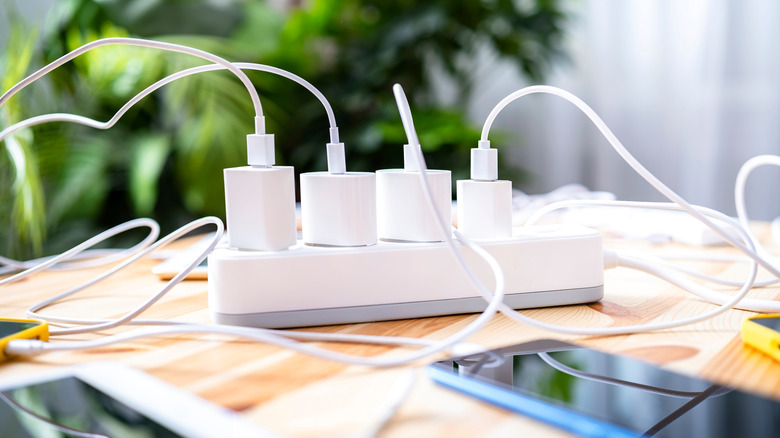
Believe it or not, if you wait until you smell foul odors and burning electronics, it might already be too late. There's always the potential that the strip will have ruined some of your gadgets or electronics plugged in, so it's probably best to replace aging equipment before then. How often should you replace power strips? You'll likely want to follow the manufacturer's recommendations, as many strips and protectors come with a user manual that also specifies the lifespan.
As for how long power strips last, it varies by brand, type, and usage. If a power strip has been plugged in and in use every day for years, it's more likely to experience failure than if it was resting. But also, experts recommend replacing power strips and surge protectors every three to five years, especially after a major power surge or a lightning strike in your local vicinity. A failing strip may continue working even long after it starts showing signs of damage.
Misuse is another huge concern and could result in fires or worse. That's when you plug in too many devices, use appliances or electronics that require too much power versus the strip's rating, or do things like daisy chain with other power adapters or strips to have multiple plugs. In fact, using an older surge protector is a common mistake that could ruin your computer. You should use an uninterruptible power supply instead or something with a higher joule rating. There are other electronics you should never plug into a power strip or extension cord, like power tools, critical medical equipment, and, of course, other power devices like power strips or extension cords.