

The 12 Worst Internet Providers According To Consumer Reports
Most internet companies won't tell you this, but in many parts of the U.S., you don't have a choice of providers. Although multiple providers may advertise in a region, over a third of Americans are stuck with one or zero real broadband options, according to a study by the Benton Institute for Broadband & Society. This lack of competition often results in slow, expensive, and unreliable internet service.
Many Americans are unaware that their frustrations with internet service are widespread. Issues such as dropped video calls, buffering, unexpected fees, and long customer support wait times are common. Each year, tons of subscribers report their experiences to Consumer Reports, and the same companies consistently receive the most complaints. Some of the most well-known internet providers also have the most unhappy customers. These companies often dominate specific regions, face minimal competition, prices increase, but the quality remains unchanged. For millions of customers, this means high-speed internet is an expensive necessity that often doesn't feel reliable.
This article reviews the worst internet providers using data from Consumer Reports. We'll cover the most common complaints, typical costs, where these services fail, and if anything makes them worth it despite these. If your internet is unstable, expensive, or stressful, your provider might be on this list.
Viasat
Viasat promotes itself as a solution for people in rural and remote areas, offering satellite internet where cable and fiber aren't available. However, many customers find its service expensive, frustrating, and limiting.
Most Viasat plans range from $40 to $70 per month, depending on speed and data limits. This is significantly higher than many urban cable or fiber options. Customers have reported that actual speeds are lower than advertised. HD streaming may be unreliable, large downloads can be slow, and video calls can lag. According to Ookla, latency is a significant issue due to the distance satellite signals must travel, which affects gaming, cloud applications, and real-time work. Viasat also enforces strict data limits, and exceeding them can reduce speeds to nearly unusable levels.
Viasat provides coverage in areas most providers do not serve, and for some households, it is the only available option. However, customers have reported issues with confusing billing, lengthy contracts, and slow customer service. Also, getting technical help can be frustrating and unhelpful. It's no wonder, therefore, that Viasat earned the lowest possible ratings across various categories from Consumer Reports. If you live far from other options, Viasat might be your only choice. Otherwise, most users say the high cost and constant compromises make it a service they'd rather avoid.
HughesNet
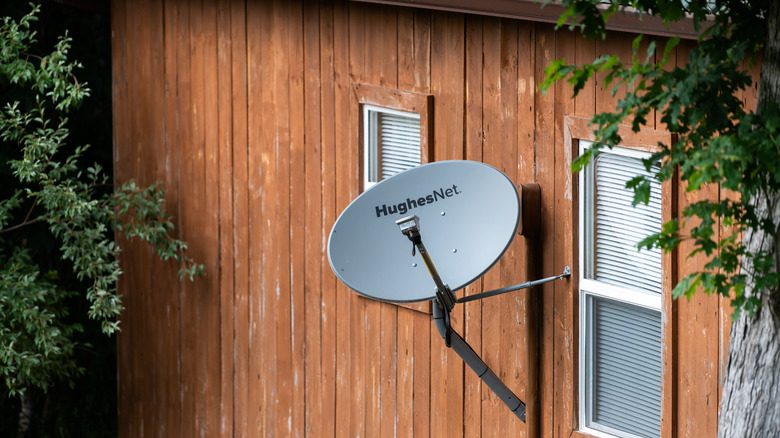
HughesNet occupies the same niche as Viasat: satellite internet for rural America. And like its main competitor, it struggles with many of the same structural problems that frustrate customers.
Plans start around $40 per month, with higher tiers approaching $100. Advertised speeds look reasonable on paper, but users frequently report significant slowdowns once they reach their monthly data limit. After that point, even basic tasks like checking email or loading web pages can become sluggish. Latency is again a major issue, according to some customers on Reddit. Video conferencing, online gaming, and cloud-based work tools are often unreliable. Streaming services may buffer constantly, especially during busy hours. Support is another recurring complaint. Customers describe long wait times, repetitive troubleshooting scripts, and little to no help in almost every way. Many also dislike being locked into multi-year contracts with hefty early termination fees.
HughesNet's main strength is that it's available in very remote places where nothing else is. Beyond that, most customers aren't satisfied. Many see it as a short-term fix rather than a long-term solution. If you can get fixed wireless, cellular home internet, or wired broadband, it's best to try those options first.
Liberty Cablevision

Liberty Cablevision serves only a few regions, which usually means less competition and little reason to improve. This shows in customer feedback. Prices vary, but many people pay $53 to $85 per month for cable internet that isn't consistent.
Customers in Liberty Cablevision's areas often have few or no other broadband choices. This lack of options seems to have led to complacency. Subscribers report frequent, long outages and poor communication about when service will be restored, according to customer reviews on PissedConsumer. Other customers have also reported terrible customer service on the Better Business Bureau. Speeds are often reported as inconsistent and not reaching even the lower levels promised at sign-up. Regular price increases don't seem tied to any real improvements. As a result, users feel they're paying more for a service that's not getting better and is actually becoming less reliable.
Liberty's main advantage is that it exists in areas where major national providers aren't aggressively competing. Unfortunately, that lack of competition often translates into stagnant service quality, thus its poor ratings across every category on Consumer Reports. If Liberty is your only wired option, you may have to tolerate the shortcomings.
GCI (General Communication)
GCI serves much of Alaska, where building and maintaining internet infrastructure is especially challenging due to harsh weather, rugged terrain, and remote communities. Even so, customers often feel underserved.
Plans often start at nearly $90 per month and rise quickly for higher data caps and faster tiers. For many households, that represents a major monthly expense. Yet performance can be inconsistent, particularly outside major population centers. During evenings and weekends, some customers say that speeds often drop as more users come online. Rural customers in particular report limited bandwidth and frequent service interruptions. Weather-related disruptions are also common.
On the positive side, GCI plays a critical role in connecting remote communities. Without it, many areas would have little or no internet access. The company has invested in undersea cables and regional infrastructure over the years. However, customers still express frustration over pricing, limited plan flexibility, and slow customer service. Many feel they're paying premium rates without receiving premium performance.
Optimum (Altice/Suddenlink)

Optimum draws customers in with low introductory prices and bold speed claims. At first glance, the service can look like a bargain. Over time, however, many subscribers become disillusioned.
Promotional rates range from $30 to $75 per month, but after the promotional period, bills jump to $90 or more. Equipment rentals, service fees, and add-ons can quietly raise your monthly costs. Performance is mixed. When networks are stable, speeds can be solid. But customers frequently report outages, modem problems, and unexplained slowdowns. These issues tend to spike during peak usage hours. Customer support often received a lot of criticism for long calls, repeated transfers, and inconsistent answers. Billing problems are common, and getting refunds or credits can take weeks.
The upside is access to relatively high-speed tiers in certain markets. For heavy users, that can be appealing. The downside is that reliability and service quality don't always justify the price, which is why Optimum is frequently included among the least reliable internet providers. For many customers, Optimum feels like a provider that looks great in ads but delivers a far messier experience in real life.
Brightspeed
Brightspeed is a new provider that came from older telecom companies, promising new investment and better service. But it has quickly gained a reputation for poor performance and customer complaints. Many people in its service areas say the switch just replaced old problems with new ones, and the company has not built a reliable service.
Customers say the promised upgrades have been slow, making the service feel unstable. People report spotty coverage, internet speeds that frequently change, and installation delays. Many who signed up for reliable internet to work or study from home have faced frequent connection drops and not enough bandwidth.
Besides the technical problems, customer support seems overwhelmed. People say there is little clear communication during outages. When they reach support, agents often cannot fix network issues, so customers end up making repeated calls with no solution. For a new company, this is a big warning sign. It shows that customer service and operations have not kept pace with marketing, leaving early users to test a network that is not yet reliable.
Breezeline (Atlantic Broadband)
Breezeline (formerly Atlantic Broadband), which serves several eastern and midwestern states, has a reputation similar to other poorly rated providers. While it offers decent potential speeds, the service is often unstable, and customer support is lacking. Surveys regularly rank it near the bottom, and many subscribers are frustrated because they can't rely on the internet service, no matter what the plan promises.
The main problem for Breezeline customers isn't slow speeds when things are working well. Instead, it's the unstable network that makes those speeds useless. Many people say their connection drops several times a day or slows down during busy times. Because of this, it's hard to rely on the service for things like video calls, online gaming, or even regular streaming.
Breezeline's customer service has also been heavily criticized. People often struggle getting clear billing statements, setting up repair appointments quickly, or finding out why their service keeps having problems. Many describe the support system as confusing and unhelpful. As a result, subscribers are left paying for the occasional burst of high speed, wrapped in the constant anxiety of when it will next disappear and how difficult it will be to get it restored.
Breezeline's biggest strength is that it can deliver good performance in areas where the network is well-maintained. The trouble is, the service is unpredictable and you never really know what you'll get.
Xtream by Mediacom
Mediacom's Xstream service is advertised as a premium, high-performance option, but many customers in its service areas associate it with frustration. It often receives low customer satisfaction ratings on sites like Consumer Reports and Trustpilot for several reasons. People complain about restrictive policies, unreliable performance, and unhelpful support, which do not match the premium image and leave users feeling shortchanged.
One of the biggest complaints about Mediacom's service is its strict data caps, which apply even to the most expensive plans. Customers say these limits are easy to exceed with normal activities like streaming, gaming, or downloading large files. When this happens, they either face high overage fees or their internet speeds are slowed down for the rest of the month. This makes customers feel like they are being punished for using the service they pay for, and many end up constantly worrying about their data use.
Reliability is another ongoing problem. Service interruptions happen often, and technical support usually has trouble fixing issues quickly. Many customers say support agents tend to blame their equipment or outside factors instead of looking into possible network problems. As a result, subscribers feel that Xstream is set up to add extra fees and restrictions, putting company profits ahead of customer satisfaction and real service.
Lumen (CenturyLink)

Lumen Technologies, which owns the CenturyLink brand, is struggling in the market and often gets low ratings from Consumer Reports members. This is especially notable for a company with such a large, established network. The complaints go beyond just slow speeds from its older DSL service. Many people also point to the service's high latency and a customer service experience that many describe as a black hole.
Many customers using Lumen's copper DSL lines feel the service is no longer a good deal. They often pay about the same as they would for local cable, but get much slower speeds, which makes it hard to keep up with today's smart homes that have multiple connected devices. This technology gap is a major reason for their frustration. Customers also feel left out as Lumen's fiber expansion under the Quantum Fiber brand is slow, inconsistent, and skips over established neighborhoods.
Customer service is viewed as one of the company's biggest problems. Subscribers report spending hours on hold, having service calls scheduled incorrectly or missed by technicians, and not being able to resolve simple billing mistakes or ongoing line noise issues.
Xfinity (Comcast)
Comcast's Xfinity is a major player in the cable internet industry, and customer opinions are sharply divided. Many people praise its ability to deliver fast speeds in several markets, but just as many criticize it for poor value, confusing bills, and difficult customer service. As a result, Xfinity often ranks near the bottom in customer satisfaction surveys.
Most agree that Xfinity's hybrid fiber-coaxial network can deliver download speeds over a gigabit. Still, many customers say these speeds come with high and rising costs. Monthly bills often cause frustration, with extra charges like the Broadcast TV Fee even on internet-only plans, required equipment rentals, and confusing promotional prices that increase after the term. Because of this, many people feel they are being charged for every little thing and that the service is not worth the price, even though the technology is strong.
Xfinity's biggest problems are with customer service. Many people share stories about spending hours on support calls without getting help, facing pushy tactics when trying to cancel, and dealing with technicians who miss appointments. Online forums and surveys are full of complaints about billing mistakes that take months to fix and a feeling that the company is more combative than helpful. For many Americans, Xfinity is the only option, but its poor service, lack of transparency, and unfriendly approach have made it one of the most frustrating providers in the country.
Kinetic by Windstream
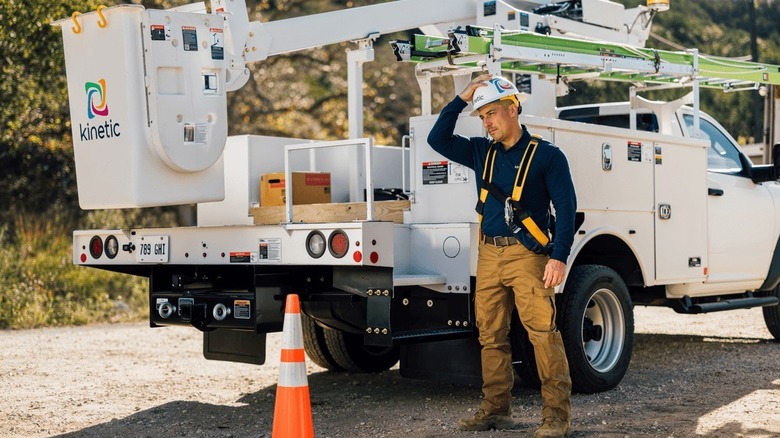
Kinetic, the service brand from Windstream, has mixed reviews from customers and ranks near the bottom in Consumer Reports' rankings. Although it sometimes avoids the lowest scores in certain areas, many customers criticize it for not delivering on fast speeds and fair prices, especially in rural and suburban areas.
Many customers, especially those using Kinetic's older DSL service, claim their internet speeds are slower than advertised. Since the monthly prices are not much cheaper, people feel they are not getting good value. Some areas are getting Kinetic fiber, which gets better reviews, but the rollout is slow. This means many customers are still using outdated technology with no clear idea of when they will get an upgrade.
Some rating sites give Kinetic slightly better scores for reliability and customer support, but there is an important catch. Customers say the support staff cannot fix the main problem. Support calls often end without real solutions because the agents cannot speed up fiber upgrades or improve outdated copper lines. This leaves customers frustrated. The company does not seem uncaring, but it also does not appear able or willing to invest enough to meet basic needs. As a result, many people feel stuck, waiting for better internet while still paying for a service that does not deliver.
Cox
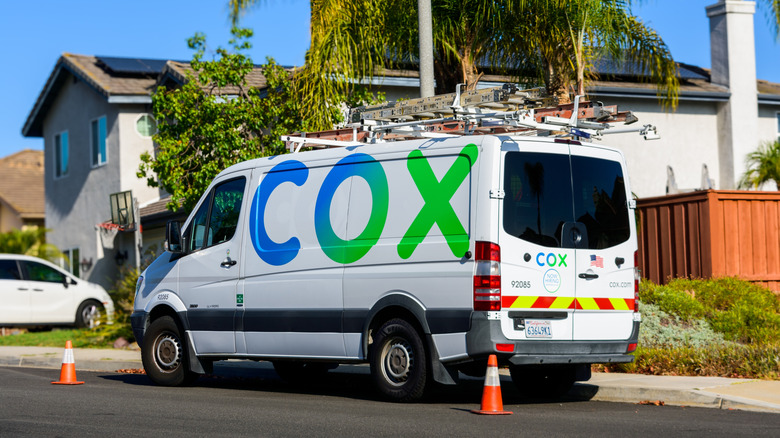
Cox Communications is known for frustrating many of its customers and often receives mediocre or poor ratings in surveys. While the company can deliver fast, reliable service, its high prices and inconsistent customer support leave many subscribers feeling overcharged and neglected.
The company's cable network is strong in many areas, often providing download speeds that match or beat what's promised and compare well to other major providers. However, these speeds come with some of the highest monthly prices in the industry. Customers are often hit with regular price increases that don't seem tied to better service, and complicated bundles and fees make bills hard to understand and more expensive.
Many customers have complained that the company does a poor job of giving status updates or indicating when their service will be restored. Customer service can be hit or miss—sometimes it's fine, but too often people end up frustrated by billing problems or technical issues that aren't addressed. Since Cox charges premium prices, customers expect better service and reliability.
How this list was compiled

This article uses results from Consumer Reports' Winter 2025 survey of home internet subscribers in the United States. More than 73,000 members shared their opinions about their current providers, focusing on real-life use.
Survey participants rated their service on value, connection stability, speed consistency, technical support, and customer service. The answers were combined to spot common complaints and ongoing problems. Rather than looking at top speeds, the survey highlights real experiences, such as dealing with outages, billing problems, slowdowns, and support calls over time.
Providers that often received negative feedback in several areas were listed as the worst performers. This method helps avoid focusing on one-off complaints and instead points out bigger, ongoing problems. Since the survey includes a large group of users, it gives a reliable picture of the U.S. broadband market. While each person's experience is different, the overall results show which companies have the most trouble meeting customer needs.