

Does The 3D Printing Filament Brand Matter? 5 Things To Consider
We may receive a commission on purchases made from links.
The rise of 3D printing has encouraged manufacturers to transform high-cost industrial technology into a desktop hobby accessible to millions. While the mechanical precision and reliability of 3D printers are often the focus of optimization, filament brand and quality are critical to the overall quality of projects. It's easy to assume all filament spools are created equal, but buying from an unreliable brand can determine the difference between a quality finished product and a costly failure. Going with a well-known and trusted brand isn't just about preference; it's a technical decision that affects everything from nozzle longevity to the structural integrity of a finished project.
3D printing is here to stay, and the sheer variety of different materials available from basic biopolymers to advanced carbon fiber composites has made brand consistency more important than ever. High-quality filament means the chemical composition remains uniform across batches, preventing unwanted clogs or layer adhesion issues that often plague budget alternatives. Knowing which features to look out for in filament is something wise to learn early on. This will save you money and time, resulting in more successful 3D printing projects long term, because who wants to save a couple of dollars on filament then have to replace a nozzle or extruder head earlier than needed?
Diameter tolerance and extrusion consistency
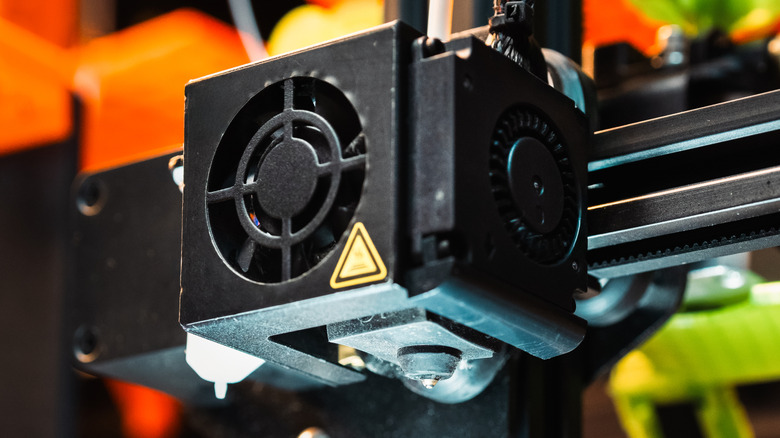
Diameter tolerances of the best filaments should be extremely low, while lower-end filaments are often inconsistent. Most standard desktop printers require either 1.75mm or 2.85 mm filament, with any fluctuations in thickness causing extrusion issues. High-grade filaments should have around 0.02mm tolerance at the most, which ensures a steady and predictable flow of plastic through an extruder.
Although it's easy to think this shouldn't matter with the filament being melted and pressed through an extruder nozzle, as filament is first fed into the top of the extruder and then to the hot end and nozzle, thick filament can get stuck. Not only may that require a full teardown and replacement parts, but forcing thicker materials through even the best reasonably-priced 3D printers can result in gaps between layers and under-extrusion, resulting in inaccurately shaped printed parts.
The main aim in 3D printing is creating a repeatable process that works every time. With this consistency in mind, it will also save money long term buying low-tolerance filament thanks to nozzles extruding at the correct pace and pressure. That means more control over fine details, complex geometries, and being able to take over advanced features such as ironing printed filament for a smooth finish.
Material purity and chemical additives

While spools of filament can be labeled as PLA (Polylactic Acid), their chemical compositions can differ significantly between manufacturers. Standard PLA is made from renewable resources like corn starch, which makes it odorless and has a low chance of warping. Many premium brands offer "Tough" or "Pro" versions that include various additives to improve impact resistance and heat tolerance, which allows the material to behave more like ABS (Acrylonitrile Butadiene Styrene). The problem with materials like this is that while they are more durable, it can be significantly harder to prevent warping while printing.
Brands that specialize in high-performance materials often use high-quality polymers to ensure that the material produces accurate and seamless prints. Cheaper brands may use recycled plastics of unknown origin or low-grade fillers; this can result in inconsistent melting temperatures and poor layer adhesion. For other filaments such as NylonX, which contains carbon fiber to reinforce prints, it's important that users know what's actually in their filaments for the best results.
For projects using functional parts, it's important that they can withstand stress and temperature changes. A reputable brand provides the transparency needed for engineers, for example, to know exactly how a part will perform in the real world, rather than relying on luck with unbranded and cheap filaments.
Environmental safety and moisture resistance
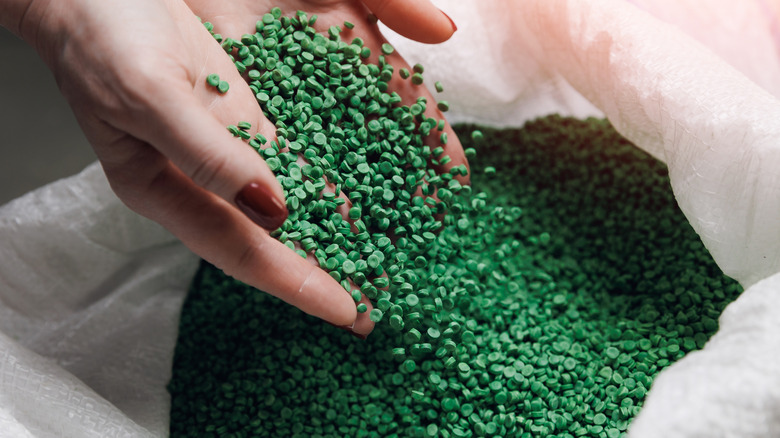
The quality of the raw resins and other materials used by a filament brand can impact the safety and air quality of the printing environment. Budget filament may contain impure additives that could release unpleasant odors or potentially harmful fumes when heated, so it's always good to know where the filament comes from and what materials have been used to make it. Premium brands usually mention the use of annually renewable resources and eco-friendly processing for a safer experience for users. For printing at home, the safest filament to use is high-quality PLA as it remains mostly odorless during the printing process and is an all-around solid material for most projects.
3D printing filament is hygroscopic, meaning it absorbs moisture from the air. This is why popping sounds, poor surface finishes, and potholing can occur whilst creating a project. Reliable brands ship filament spools in vacuum-sealed bags with desiccant packs to ensure it stays dry. For spools that are only part-used, or for specialized filaments with materials like carbon fiber and nylon mixed in, the filaments need to be dried before use, as they're sensitive to moisture. Brands like Creality and Sunlu sell specialized filament dryers for the best printing results, but making sure your chosen brand uses the right materials and packages them properly goes a long way.
Advanced composites and nozzle longevity
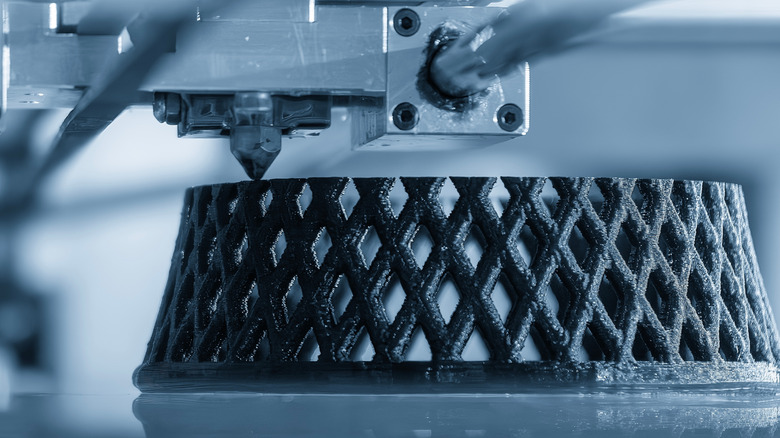
Moving past standard PLA, the reputation of filament brands becomes even more important for the functionality of a user's 3D printer. Composite filaments like the aforementioned NylonX that infuse micro-carbon fibers into nylon, require complicated manufacturing to ensure fibers are distributed evenly. Offering incredible impact resistance and hardness, it can file and wear down brass nozzles in a matter of hours, resulting in declining precision.
A reputable brand will often say as much while giving clear warning and advice, including recommendations to install a hardened steel nozzle before using carbon fiber or metal-infused materials. Getting metal-infused filaments for less isn't always the best thing to do for 3D printing equipment in the long term.
There's also other specialist materials such as LayCeramic, a filament that allows users to print ceramic objects that can then be fired in a kiln. Branching out into exotic materials is great for hobbyists, but will also require them to have the right equipment and home office gadgets. It opens doors to create objects and parts that standard PLA simply cannot match. Users should find brands that test their composite filaments thoroughly, that way they avoid the risk of damaging their printer with poorly manufactured, overly abrasive, or sub-par material filaments.
Brand ecosystems and specialized support
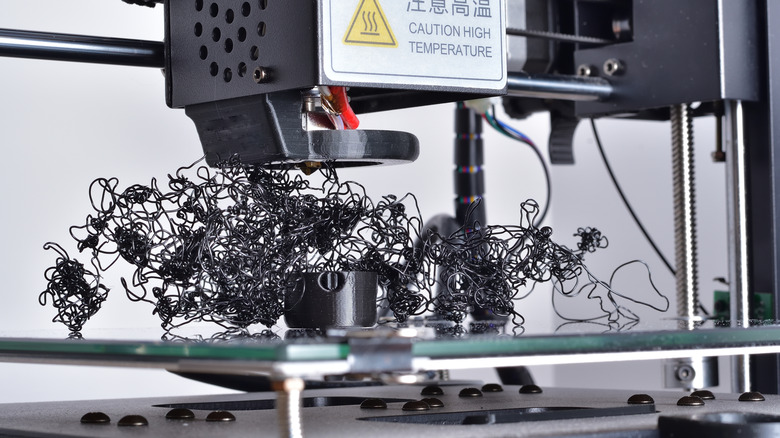
For users lucky enough to own a dual-extrusion 3D printer, the brand of support material is just as important as the primary filament. Support materials like PVA (Polyvinyl Alcohol) are water-soluble, which allows for the creation of complex geometries with internal cavities that would be impossible to clean manually. The best support brands are engineered to stick perfectly to primary materials like PLA while being easy to remove once the 3D print project is complete. Using cheap support filament that hasn't been tested isn't just going to ruin a project as it won't properly support it, it won't be good for nozzles and extruders either.
Some brands like MatterHackers offer specialized Breakaway Support Material that provides a clean separation from a 3D printed form without the need for water submersion, which also saves time when post-processing. Materials are being improved as the 3D printing industry grows, with new copolymer filaments being developed. The market for short-run manufacturing specialized materials and new ways of 3D printing like Stereolithography Apparatus (SLA) are expanding. By sticking with established brands, users guarantee access to the latest innovations and the technical support required for professional-grade results instead of filing, sanding, and cleaning in post-processing steps.