

4 Of The Most Secure Smartphones You Can Buy In The U.S.
Your iPhone can become a car key and so can your Android smartphone. These devices control everything from home lights, doors, and even thermostats with a few button presses. Moreover, they can act like your digital wallet, containing credit cards that you can quickly use to pay for goods. You can even add public transit cards, IDs, and travel tickets to your wallet to access them as fast as your credit cards. The phone also contains a treasure trove of personal data, from messaging apps to photos, notes, passwords, and AI apps. Thus, the iPhone or Android device you may be reading this text on is the most important and personal computer in your life. That's why it's critical that all that data stays secure so attackers — whether they're thieves trying to steal your phone or hackers looking to install malware on your Android device – can't access that sensitive data. In what follows, we'll show you the most secure smartphones you can buy in the U.S. right now to ensure your data is protected.
There's also user privacy to take into account. Your phone may be secure from malware attacks, but the apps you use on a handset may still track your activity to serve personalized ads. Access to user preferences allows companies like Google to offer some of the apps you want for free. But it's a trade-off that not all buyers accept and it's an aspect we'll address below.
iPhone 16e
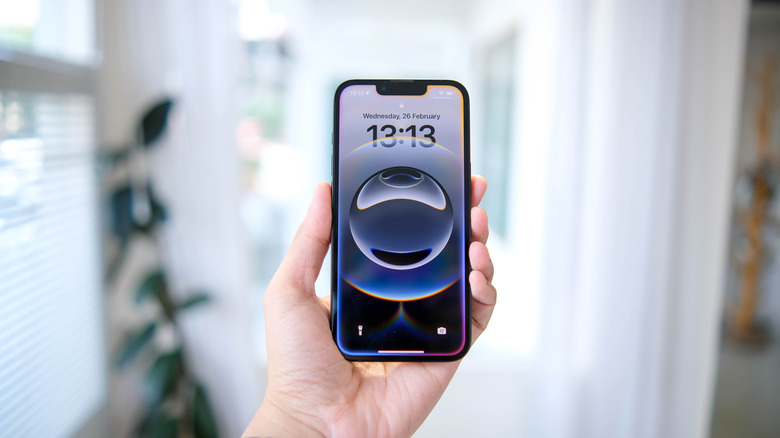
The $599 iPhone 16e is the cheapest iPhone Apple still sells, but it's still just as secure as the iPhone 16 and 17 models. Apple takes security and privacy very seriously and applies these core principles to all its iPhones. The iPhone 11 is the oldest iPhone that can run iOS 26, which means it gets the same security updates in addition to the regular iOS 26 releases as newer handsets. The iPhone 11, like the iPhone 16e and the iPhone 17, uses secure biometric authentication (Face ID). That means the device is encrypted and protected by your passcode/Face ID.
Apple also encrypts key iPhone apps and features, including iMessage and FaceTime. The iPhone's Secure Enclave stores encryption keys and protects biometric data. It's isolated from the main processor to protect sensitive data like biometrics. All iPhones since the iPhone 5s have one. Apple also offers strong privacy protections, including the App Tracking Transparency (ATT) feature that forces apps like Instagram to ask for permissions to track users across websites. The App Privacy Report even lets you see what data apps collect from your phone.
Apple offers six to eight years of software updates to its iPhones, which means they'll continue to receive iOS updates that offer the newest software features and the latest protections against cyberattacks. Finally, Apple announced in late February that the iPhone and iPad are "the first and only consumer devices" in the world that can be used with classified NATO information. Apple says all iPhones running iOS 26 and iPadOS 26 are secure for NATO information access. If devices as old as the iPhone 11 (2019) are good for NATO secrets, they can also protect your data.
Pixel 10a
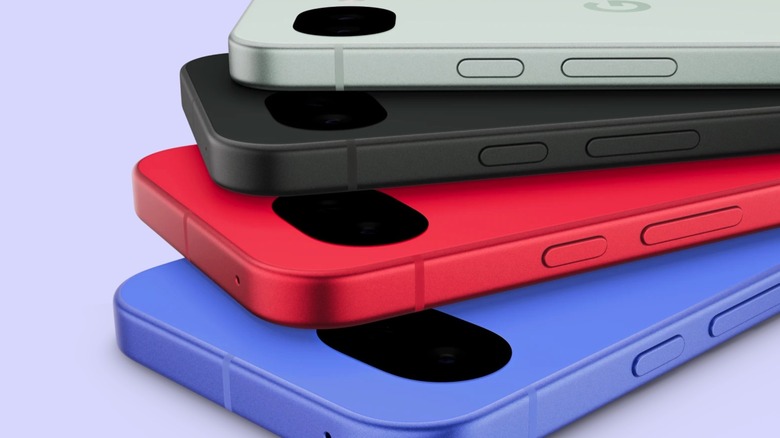
Launched in mid-February 2026, the Pixel 10a retails for $499 and is the equivalent of the iPhone 16e. It's the cheapest Google phone you can buy to enjoy the same level of security as the Pixel 10 series (which includes the standard, Pro, Pro XL, and Pro Fold). Like Apple, Google takes security very seriously. The Pixel 10 phones feature a Titan M2 security coprocessor, a Tensor security core, and the Trusty (Trusted Execution Environment). The Titan M2 and TEE are equivalent to Apple's Secure Enclave, meaning these components secure the phone's boot sequence, biometrics, and encryption. Google's Pixel phones feature in-display fingerprint readers and offer support for face unlock functionality.
Like the iPhone, Pixel 10a supports encrypted communication, including Google's Messages app that runs encrypted RCS texting. Separately, Google offers AI-powered scam detection features on Pixel phones that can warn users about potentially malicious scam calls and text messages. Google also conducts threat research across platforms. For example, Apple's iOS 26.3 security note explains that Apple patched an "extremely sophisticated attack" (via Security Week) that Google helped discover.
Google guarantees seven years of major Android updates, during which time Pixel phones will also receive security updates. Many older Pixel phones also offer similar software guarantees, so they're just as safe. One potential downside of Pixel phones (and Android) concerns privacy. Google doesn't run the same app‑tracking restrictions as Apple, and that's because Google's main business remains advertising.
Galaxy S26 Ultra
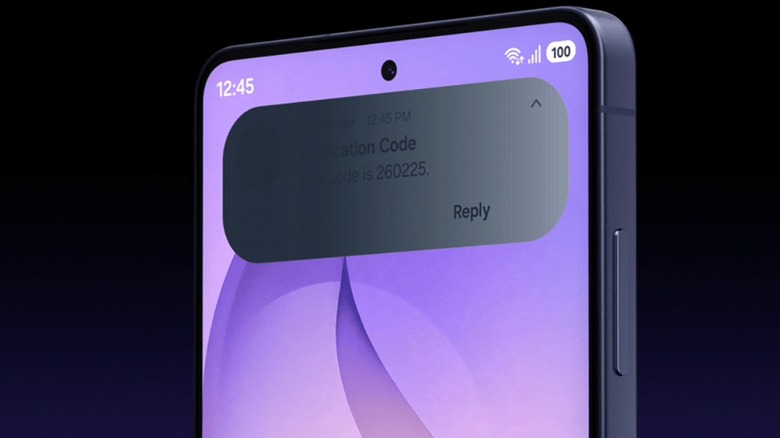
Launched in late February, the Galaxy S26 series is Samsung's newest set of flagship phones. All three handsets offer high-end specs and support seven years of major Android releases and security updates, just like Pixel phones. They all feature the same Knox security platform, which Samsung designed to ensure the security and privacy of user data. But the more expensive $1,299 Galaxy S26 Ultra has a feature the standard Galaxy S26 and the Galaxy S26 Plus lack. That's a Privacy Display that allows the user to apply a screen protector display effect without installing an actual screen accessory. The Privacy Display can be enabled for specific apps or sections of the screen, including areas for notifications and passwords. This adds another layer of security and privacy on top of the software protections built into Android.
The overarching security on Galaxy S26 phones is governed by Samsung Knox, but older devices also feature Knox support. Knox Vault is a separate, hardware-based secure system similar to the Secure Enclave that stores keys, passwords, and biometrics behind strong encryption. Knox Vault has its own processor and memory to perform its security features and ensure other apps don't have access to your secrets.
Other Samsung Galaxy phones, including the Galaxy S25 and Galaxy S24 series, provide similar security. The downside for Samsung devices is that Android updates take a while longer to arrive than Pixel phones, as Samsung doesn't control the underlying system. Also, privacy features may depend on the user, who may have to customize how installed apps can track them online.
Galaxy A26
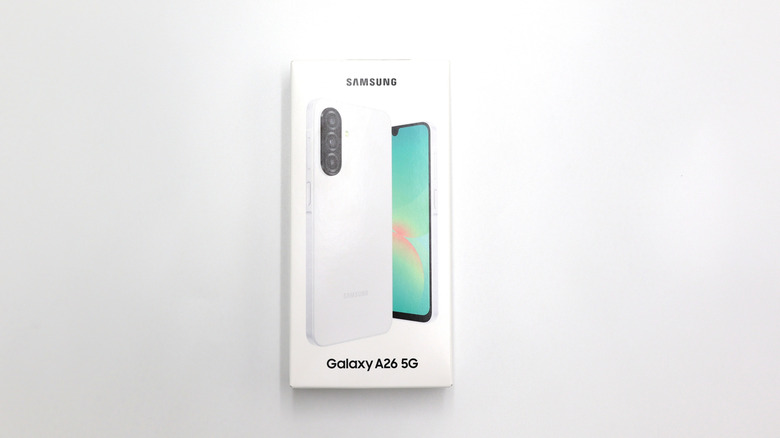
You don't have to spend $899.99, which is what the cheapest standard Galaxy S26 costs, to take advantage of the same strong security and software update guarantee. The $299 Galaxy A26 is an entry-level Android phone in Samsung's lineup that offers buyers six years of major Android updates and security patches, a guarantee almost as good as the Galaxy S26 flagships. The phone also runs Samsung's Knox security platform, including Knox Vault (EAL5+ certified). It's not as good as the Knox platform on flagship phones, as Samsung explains in a footnote on the product page, but the phone's ability to secure key elements, like encryption and authentication keys, is something to keep in mind.
On that note, the more expensive Galaxy A36 ($399.99) and Galaxy A56 ($499.99) mid-range phones also offer the same Knox protections and software update guarantee as the cheaper model. Buyers working with a larger budget can splurge for hardware improvements, while knowing the handset is still going to run Samsung's more advanced security platform.
Buyers can also choose older Galaxy S and Galaxy Z (foldables) flagships from Samsung, if still available in stores, as they will also support the Knox platform. The advantage of buying a more expensive Galaxy A or Galaxy S series is that they will age better than the cheaper models. They usually feature better processors that will offer faster performance after years of use.
How we choose these phones
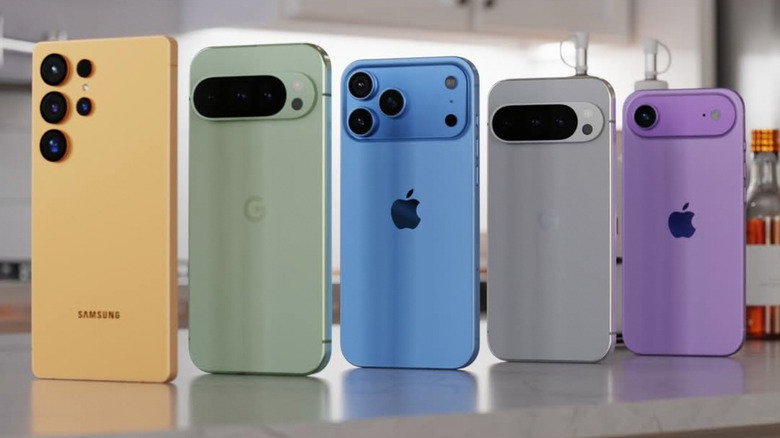
It's not just iPhones, Pixel models, and the Galaxy handsets that are available in the U.S. Buyers can also purchase Android phones from select Chinese vendors, including Motorola, OnePlus, and TCL. British smartphone vendor Nothing also sells handsets in the U.S. Then there are smaller firms selling secure devices in the U.S., including Purism, whose Liberty Phone and the Librem 5 may come up in conversation as an example of secure phones with secure supply chains and secure operating systems. But we focused on consumer-friendly phones that most buyers want. We chose the phones (and family of phones) above as they can be used out of the box knowing they run on secure platforms (hardware and software), with decent privacy protections.
Google secures Android for all other vendors, not just Pixel phones. But other Android device makers may not be ready to support as many years of software updates as Google and Samsung. Also, some of them may be slow to react to cyber threats, with OnePlus being one such example. The Chinese company was late to reply last year to security company Rapid7 about a new vulnerability that would have allowed apps to read message data without permission. OnePlus eventually started patching the issue. This shows that security can't be identical across the Android platform.
While Apple is better than rivals at protecting user privacy, apps installed on an iPhone will still track the user, even if it's in a more limited, controlled way. Instagram will show you ads based on what its algorithm believes your interests are. In other words, we looked to strike a balance between a modern mainstream smartphone experience and the best possible security and privacy.