

AI Data Centers Are Doing More Harm Than Just Driving Up Utility Prices
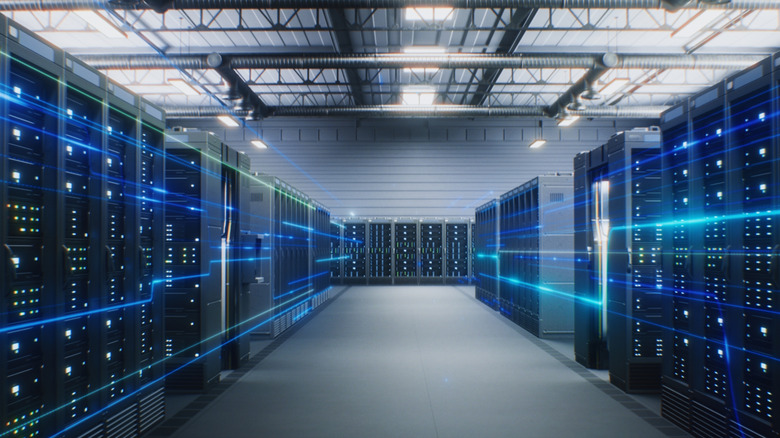
We're currently living in the age of AI, with the world's biggest nations pouring billions of dollars into the industry, all to come out on top with the most powerful artificial intelligence in this tug-of-war. Much of this development is in the form of AI data centers — large training grounds constantly consuming electricity to keep their AI systems running 24/7.
Whether the development of AI eventually makes human lives better or not, these data centers are negatively affecting residents living near them. They eat up large amounts of electricity to run all day, every day. As electricity is a limited resource, AI hikes up power bills not only for those running the data centers, but also for thousands of residents living in the state or county. Additionally, prices for everyday items have also skyrocketed due to AI data centers, such as smartphones, cars, TVs, and more.
Unfortunately, the extent of harm isn't only bound to the cost of utilities — residents from all over the country have complained about the environmental impacts of these data centers. Constant noise pollution and the unprecedented water demand are some of the much bigger risks that data centers pose.
Unending noise pollution

AI data centers need to run at all times. The justification behind this is that if a center goes offline, it'll stop supporting millions of users. To ensure this doesn't happen, the companies managing these centers invest in large power supplies and cooling systems. These can get quite noisy, especially when the backup cooling and generators boot up.
This results in noise pollution that affects homeowners living near these data centers. For example, Laura Evans is a resident of suburban Chicago who lives just 1,000 feet from a large-scale data center. In a report from ABC News, Laura said she hears a "low hum 24/7" that never goes away. Similar stories are popping up all over the country, from cities like Chesapeake in Virginia to other stories from people living in Chicago. With the rapid increase in the number of data centers being built, this is likely going to affect a lot more people.
When asked about the effect of new data centers on residents, Niki Vanderslice of the Fayette County Development Authority said, "...when you have 200 out of 120,000 people (having an issue), you have to balance what's best for the whole of the community." This balance, according to Niki, is in the form of higher taxes on data centers leading to more prosperity for the people.
Data centers, water, and AI
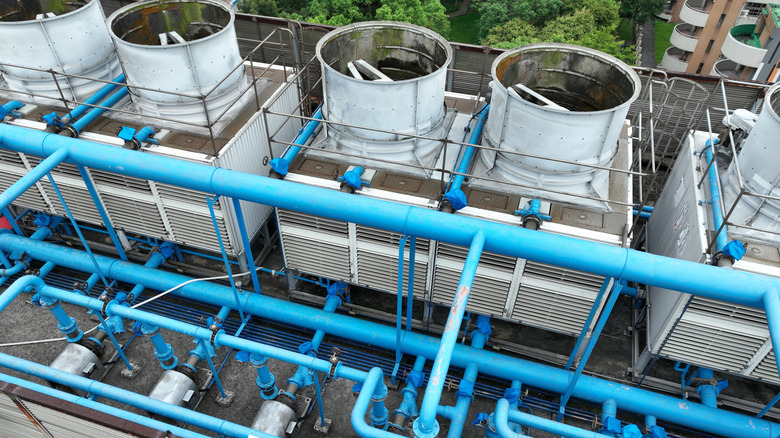
One of the most well-known issues regarding AI data centers and AI in general is their effect on water reserves. Any computer needs cooling, and there are few methods more efficient than flowing cold water when it comes to cooling down this heat. When you've got thousands of computers running all day, you'll need more than a little water to ensure they don't overload and fry.
Yet, despite this, OpenAI CEO Sam Altman claims that an average ChatGPT query uses less than "roughly one fifteenth of a teaspoon of water." If true, then this should prove all worries wrong, as even hundreds of millions of queries — each using up just 0.000085 gallons of water — don't amount to much.
What we do know is that water isn't only used when a user submits a query. Even if Sam's claim is true on the surface, there are other statistics showing that data centers use way more water. A single hyperscale data center uses up to 550,000 gallons of water every single day, which accounts for 200 million gallons annually. This water is also the same water treated to be safe for drinking. With the rapid increase in data centers, many worry that it will lead to a shortage of municipal water safe for drinking.