

AI Traffic Cameras Are Watching Your Every Move – Here's Everything They Can See
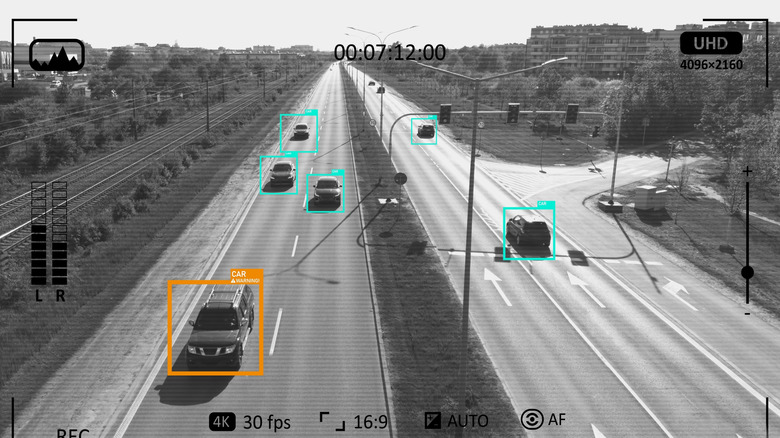
If you think you can get away with playing on your phone while you drive, taking both hands off the wheel, or not wearing a seatbelt just because there are no police nearby, you may want to reconsider. There is a new high-tech cop watching the roads in the form of artificial intelligence (AI) traffic cameras. These take the same traffic monitoring principles as the cameras on top of lights, but go another step further.
Some countries around the world are deploying these AI cameras to catch traffic violations. These cameras photograph every driver in their range to see if there are laws or regulations being broken in the vehicle. This would include speeding, illegal parking, texting, and more. If it is determined that you broke the law, you will then be mailed a citation along with the photographic evidence of your actions.
The exact operation can vary based on the country or city where these AI cameras are operating. In Australia and the United Kingdom, these cameras may not require a human to review the footage. In the United States, all citations must go through a human review, and local police officers can even choose to pull you over if they get alerted to a nearby traffic violation. In the city of Philadelphia, these cameras have a focus on protecting bus lanes from being blocked in busy areas, so this tech can be easily adjusted based on area needs and operations.
The technology behind AI traffic cameras
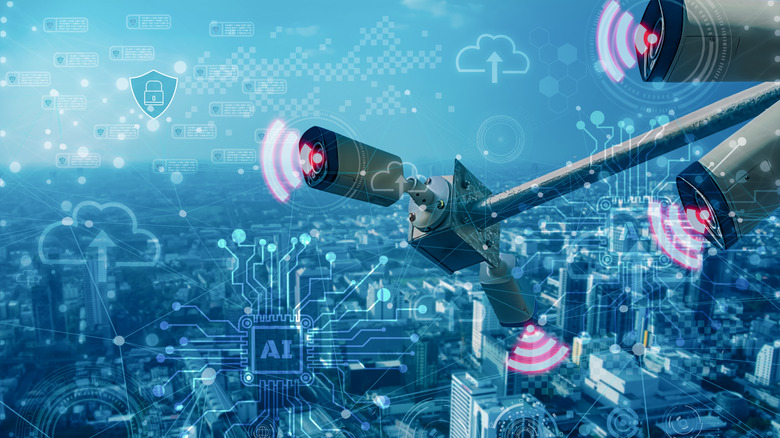
Different AI companies develop these traffic cameras, seeking to make the roads safer, the same way the orange highway stripes in California do. One such company is Acusensus, with its Heads-Up technology. Acusensus currently deploys its technology in Australia, the U.K., and the U.S. It detects illegal driver actions and captures license plate numbers for citation use. It can run on a 24/7 schedule in any weather condition, meaning there is no break to its traffic vigilance. These cameras can be mounted in one permanent spot, but can also be utilized for mobile units. This system will review footage it captures itself to determine if there is a violation. If it thinks there has been, it will send the footage over to whoever is deemed the legal reviewer.
Another company is called Hayden AI, which has been around since its 2019 founding in San Francisco. One of the things this technology specializes in is bus-lane law enforcement. The cameras can be mounted on buses to monitor nearby lanes and vehicle activity for violations. If such activity is thought to be spotted, the system uploads the photo or video data to citation-processing systems for analysis. The goal of the technology is to keep bus lanes clear of unauthorized vehicles for more efficient operations and fewer vehicle crashes.
AI traffic cameras don't always get it right
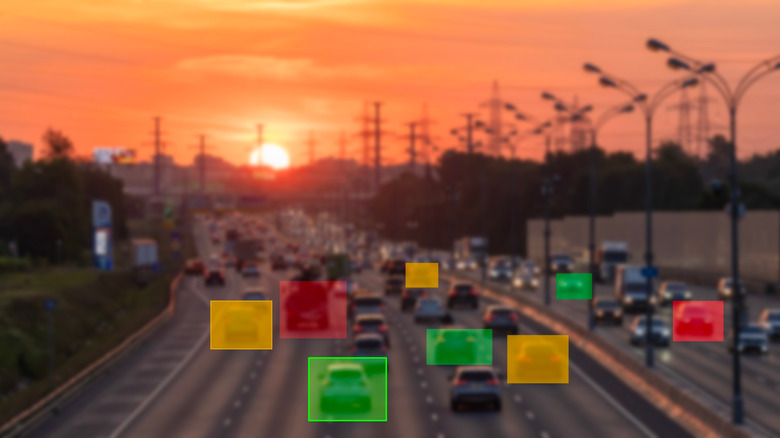
While this technology sounds great for safer roads, it isn't always reliable. A man in Florida was mailed a citation claiming he had illegally driven past a stopped school bus. However, he was not even in the area when the supposed violation happened. Upon protest, his citation was voided. AI traffic cameras in Western Australia have come under fire for issuing citations to drivers when backseat passengers violate laws that the driver is unaware of. One such driver received a ticket when his child was playing with the backseat seatbelt, and it slipped off temporarily, all of which the AI traffic camera recorded. Another driver got four tickets because she was driving around with a neurodivergent client who continually messed with the seatbelt by looping it on and off a shoulder.
In New York City, AI traffic cameras issued 3,800 incorrect tickets to drivers despite supposed human review processes being in place. The majority of these were for illegal parking, though the vehicles were actually parked legally. The Metropolitan Transportation Authority blamed the problem on AI traffic cameras incorrectly programmed for the routes they monitored, and all the tickets were voided, with money given back to those who had already paid.