

4 Reasons Why Automatic License Plate Readers Make Mistakes
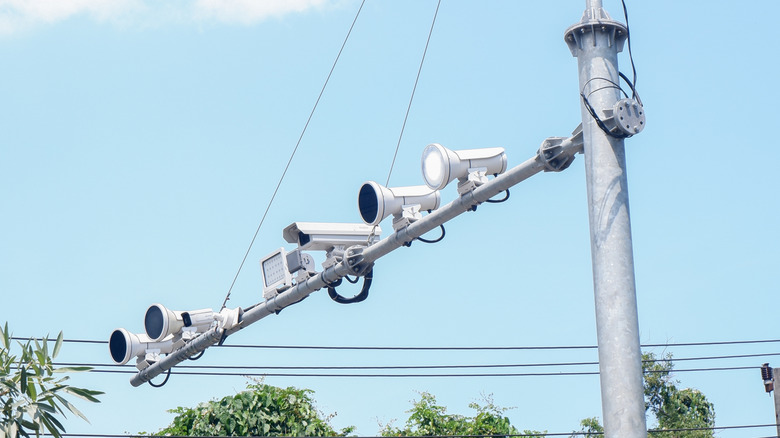
Automatic License Plate Readers are systems that use specialized cameras and software to capture, check, and save the license plate information of passing vehicles. Typically used by law enforcement as a crime-fighting tool, ALPRs can create records of vehicle activity and compare license plate information against government databases on vehicles of interest. While some of these systems have become controversial enough for people to vandalize traffic cameras, they can also be valuable investigative tools when, for example, police are trying to locate a stolen car.
However, ALPRs arefallible, and several factors can affect their performance. A buildup of dirt could cause a license plate to become obstructed. Weather conditions, like rain or snow, or poor lighting could result in bad image quality. Incorrect camera placement could cause characters to become distorted, or cause difficulty when reading the plates of vehicles of different heights.
These challenges can lead to a vehicle or person being incorrectly identified by the system and coming under scrutiny from law enforcement. Below, we've broken down four of the most common reasons Automatic License Plate Readers may make a mistake when reading a vehicle license plate.
Similar-looking characters on the license plate
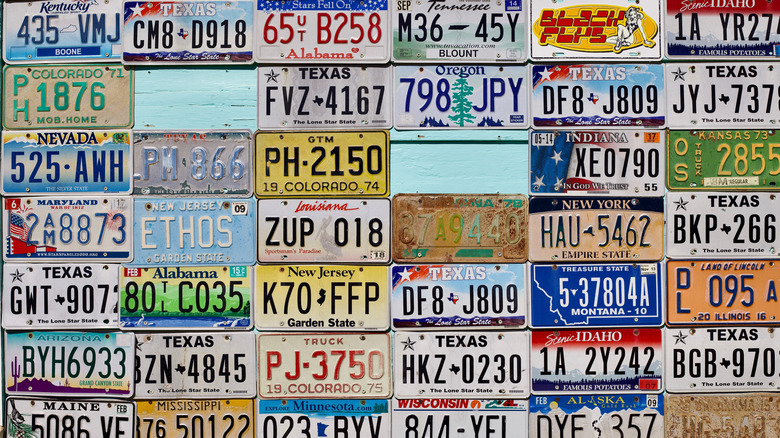
ALPRs use specialized software to extract alphanumeric data from a vehicle's license plate. Once an image of a license plate is taken, this program uses character segmentation techniques to isolate the individual characters of the plate. Then, it applies object character recognition to identify each symbol, and finally combines the components to decipher the full license plate. This clever software is also able to identify the issuing authority, as each state in the U.S. uses its own plate design.
However, ALPRs can sometimes have difficulty distinguishing similar-looking numbers and letters, including the letter "O" and the number zero, an upper-case "i" and the number one, and the letter "B" and the number eight. This is more likely to happen when the camera's image quality is poor. This could lead to a California plate that reads '4BEX952', for example, being read by the system as '48EX922'. One situation when this happened was when toll cameras failed to read Pennsylvania's new license plates.
To try to combat this challenge, some ALPR software incorporate AI algorithms, trained against databases of known license plates, to increase accuracy. Experts also suggest recognition efficiency can be increased by manually checking the results to ensure the license plate in the image matches the automatic reading.
Adverse weather conditions
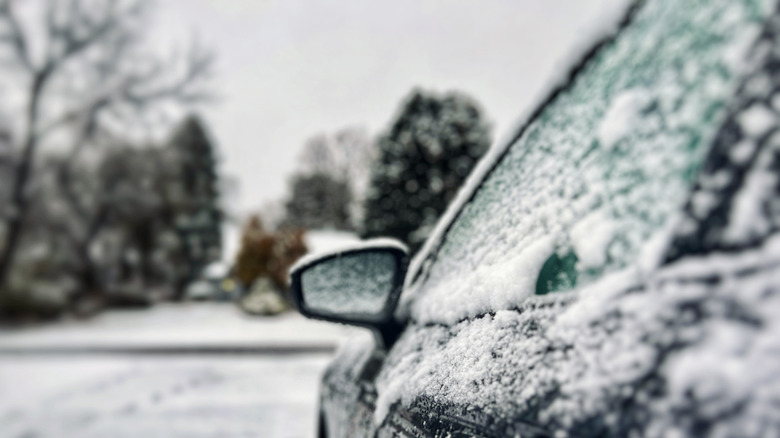
ALPR mistakes can also be made due to external factors, such as adverse weather conditions. Rain, fog, snow, haze, and poor lighting can reduce the clarity of the image captured by ALPR cameras, which can then affect the software's ability to accurately recognize the license plate.
Unfortunately, we can't control the weather, but modern technologies are helping combat this problem. Cameras with infrared (IR) imaging technology can capture high-contrast images, while minimizing glare and reflections, making plates more visible in low-light, rainy, and foggy conditions. Deep learning and AI processing software can also be used to reduce blur in images, solve image distortion or noise, and overall enhance image quality in real time when faced with adverse weather conditions. An academic report found that training a deep learning system on images altered by low lighting conditions improved license plate detections accuracy up to 29%.
Fitting an ALPR camera with weather-resistant installations can also help overcome mistakes made by poor weather conditions, such as water-repelling lens coatings helping reduce rainwater obstruction on the camera lens and heated cameras combating snow and frost buildup.
Dirty license plates
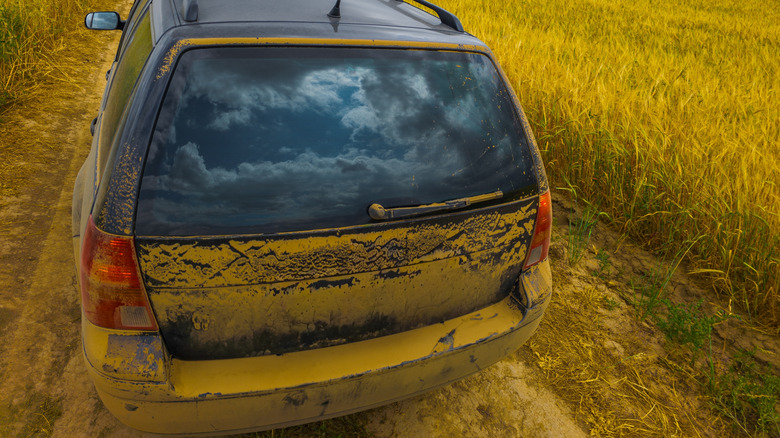
Too much dirt can cause a license plate to become obstructed, making it challenging for ALPR software to read the plate and identify the vehicle's information. While an accumulation of mud, snow, or salt on a plate is usually accidental — and is understandably common when the weather is bad — some drivers may purposely use them to obscure their license plates to avoid detection from law enforcement.
As a result, U.S. State Troopers are cracking down on muddy license plates, with some states even raising the penalties for those caught with unreadable ones. Florida, for example, brought in a new law in October 2025 that makes it illegal for drivers to alter or block a vehicle license plate to make it undetectable. Knowingly violating this law could result in a fine up to $500. Similarly, New York brought in a new law in April 2025 which strictly prohibits the obstruction of license plates -– including by dirt or rust. Parking with obscured plates can result in a $50 fine.
Incorrect camera placement
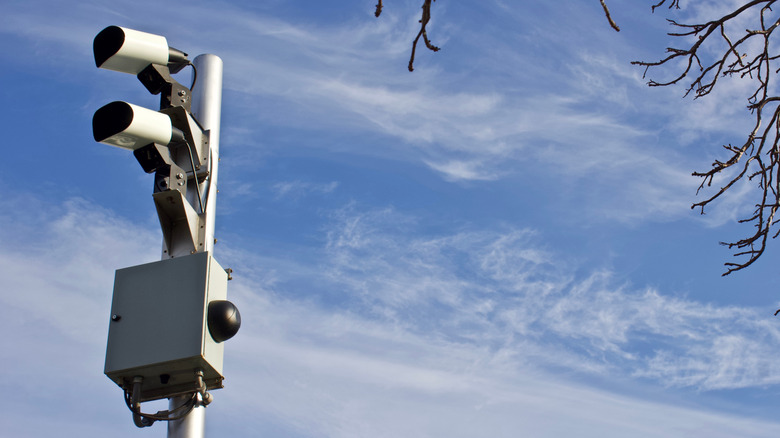
ALPR cameras can also make mistakes due to incorrect camera placement. Mounting a camera at the wrong angle, height, or distance can result in an unclear image, which the system may struggle to read. For example, placing a camera at too steep an angle may result in distorted characters, while positioning a camera directly in the glare of headlights could lead to a blurry image being captured. Pointing the camera facing a billboard or another object containing characters or letters could confuse the system, as well.
However, experts have some recommendations for optimal ALPR camera positioning. The first is to mount a camera high, but angle it downwards, to reduce direct glare from headlights, taillights, and the sun. This capture angle should be kept to under 30 degrees for the most accurate image results, as performance can be impacted by larger angles.
Experts also recommend using longer-range lenses pointed parallel to a road, with the camera positioned at a maximum range of 40 pixels per foot (or 131 pixels per meter). This can be worked out by dividing the horizontal camera resolution by 40. In the U.S., it's recommended that cameras are positioned so that 100 horizontal pixels and 80 vertical pixels are focused on a license plate for optimal reading accuracy.