

Why Did Smartphone Makers Stop Including Headphone Jacks?
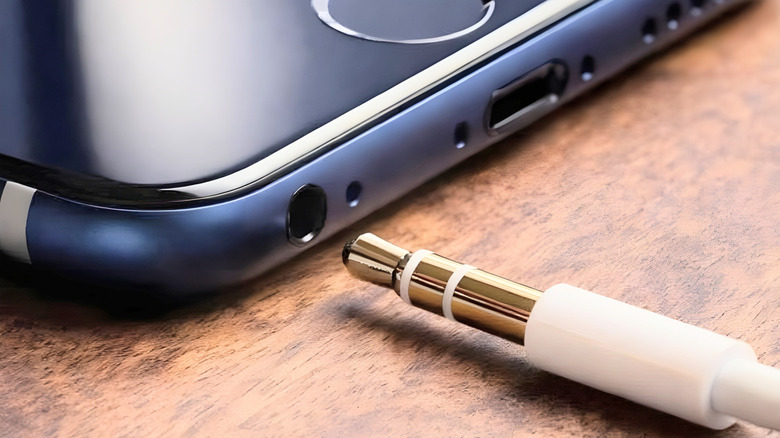
Over the past decade, smartphone manufacturers have gradually stopped including the 3.5mm headphone jack. Apple was among the first to do so with the iPhone 7, where the Lightning port became the central connector for both charging cables and wired audio devices. At the time, it was called an unnecessary design change.
As time passed and more manufacturers followed suit, users claimed that by removing the port, companies were pushing consumers towards earbuds and wireless headphones, an unnecessary expense. But the trend continued, and today very few smartphones feature a headphone jack.
Commonly cited reasons smartphone makers removed headphone jacks include reducing the phone's thickness, freeing up physical space inside the device to house more important components, removing an entry point for dirt and moisture, and improving audio quality. That last part might be subjective, but the shift towards USB-C connectors also meant a switch to digital audio, widely considered better for sound quality. Whether or not you agree with the transition from 3.5mm jacks to USB-C, smartphone makers have largely ditched the former, leaving irritated consumers forced to adapt.
USB-C helped make phones thinner and freed up space
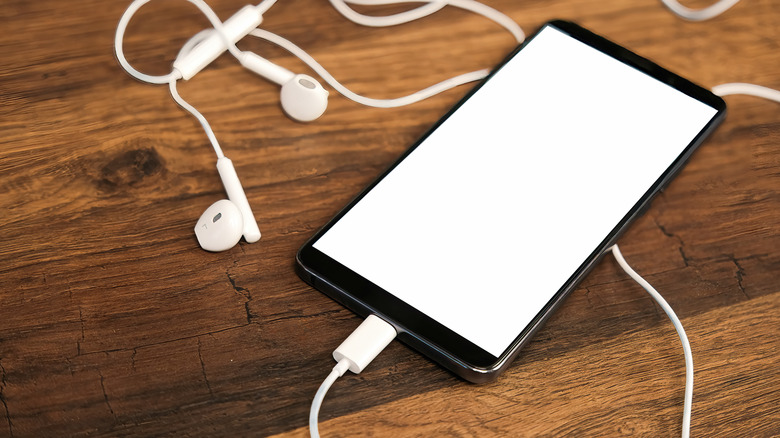
When smartphones first gained popularity, they usually featured a smaller screen and comparatively bulkier body. Over the ensuing years, manufacturers prioritized performance and form factor. This meant getting rid of components that got in the way, one of which was the 3.5mm jack.
Apple cited that reason for removing the headphone jack from the iPhone 7. While the jack looks small on the outside, it's deep and takes up space inside the phone. Once it was removed, smartphone makers could include bigger batteries, better speakers, or more sensors.
While it's possible to reduce the size of other components, the 3.5mm jack is a challenge to make smaller. For that reason, it couldn't be integrated into particularly thin phone designs. Consider this: a typical 3.5mm audio jack socket, the part that's inside the phone, is usually 6-7mm deep, while the Apple iPhone Air has a thickness of 5.64mm. For manufacturers to deliver thinner phones, the headphone jack had to go. When every millimeter matters, excluding a standard first developed during the 1950s made sense to smartphone makers.
Bluetooth became mainstream
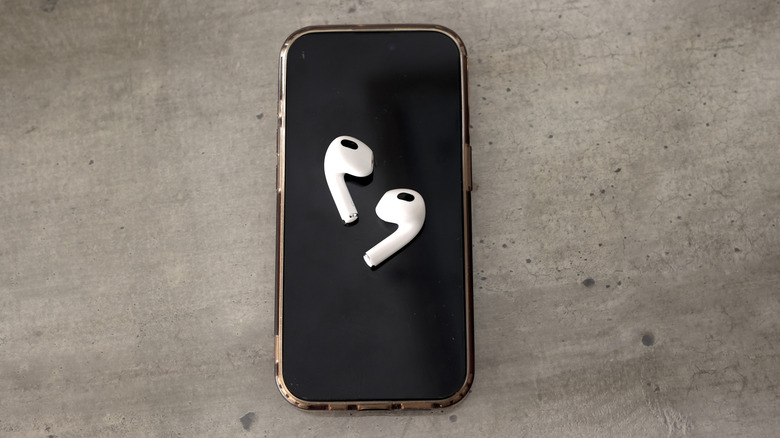
When manufacturers started removing headphone jacks, they knew alternatives to wired headphones and earphones existed. Bluetooth connectivity had already become mainstream, and Bluetooth audio devices were readily available at reasonable prices. So, it wouldn't have been that big a loss for users. For those who still wanted to use their wired headphones, manufacturers released the USB-C to 3.5 mm headphone jack adapter. Apple still sells it for $9. More cost-effective options are available for as low as $6.
Switching to wireless audio devices came with a wide array of benefits. Apart from features like touch controls and noise cancellation, it freed users from having to deal with wires. There are drawbacks of switching from wired to wireless headphones too. For instance, wireless devices usually don't last as long as their wired counterparts. They require frequent charging, which could be a hassle, especially if you're on the move.
Either way, headphone jacks are no longer as common as they once were. Among major smartphone makers, Samsung and Motorola are the only ones that still offer phones featuring a headphone jack. And most of these are budget models, not the premium ones. For better or worse, it's evident that smartphone makers have largely moved on from the headphone jack.