

It Takes Almost A Decade For Wind Turbines To Pay Off - Here's Why
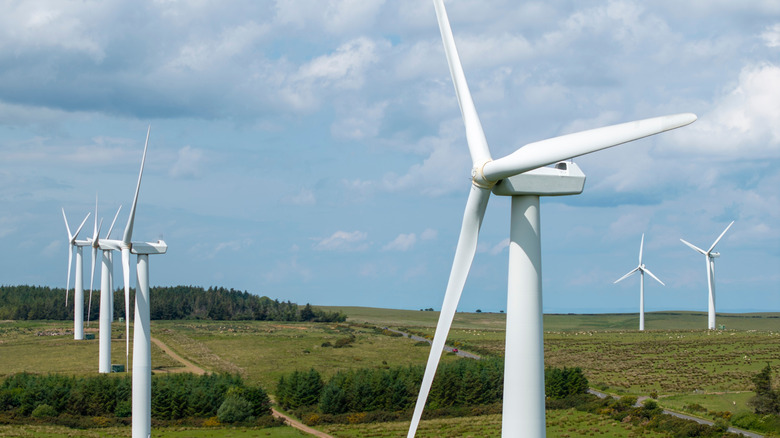
Wind turbines generate power for homes, industrial facilities, and other important locations. They are a source of clean, renewable energy and also a profitable investment for the companies that fund them. However, it takes quite a long time for those investments to actually pan out.
Wind turbines don't start paying off economically from their first day of use, but they do start chipping away at the carbon debt they must overcome as a result of their manufacturing and ongoing operations. The manufacturing phase constitutes around 84% of the turbine's energy requirement over its entire lifecycle of 20 years or more, but the typical turbine is able to overcome this carbon debt after just seven months. An entire wind farm can offset the lifetime emissions of its turbines within two years.
In terms of paying off financially, though, it can take up to a decade for commercial wind farms to generate a meaningful profit. Utility-grade wind turbines cost up to $4 million to install. Wind turbines generate 6 million kilowatt-hours of electricity per year, but worldwide energy demands continue to grow, thanks at least in part to AI data centers hiking up utility bills. The wind industry is also affected by AI-driven chip shortages because turbines rely on semiconductors for battery-management systems, grid integration, and many other electronic capabilities. On top of everything else, there are maintenance costs to consider; the control systems and software within a wind turbine require constant monitoring, frequent inspections, and at least one large-scale mid-life upgrade.
How wind turbines could pay off quicker
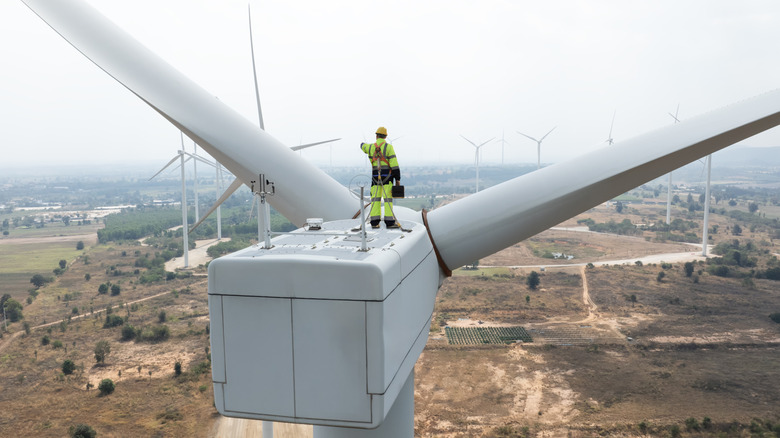
One problem that modern wind turbines still face is wasted energy. From 2015 through 2021, the U.K. generated 13% more wind energy than the grid could handle. That excess had to be discarded to avoid overloading the system. If that energy could be stored in grid-scale batteries and put to use, it would go a long way toward helping wind farms return the investment more quickly.
Smart monitoring solutions are also helping wind farms generate more value. By connecting devices and software in an IoT (Internet of Things) network, it's possible to use AI and machine learning to automatically optimize turbine performance based on real-time analytics of weather conditions and hardware risk. Similar advancements in IoT technology are also changing consumer smart home gadgets in 2026.
Wind farms make an annual 5%-10% return on investment, depending on location, with offshore wind farms typically generating a higher economic return over time. Even so, the renewable energy industry is performing a delicate balancing act. New technology has higher energy requirements that wind turbines cannot easily keep up with, and yet that same technology is creating new efficiencies. There is still a place for wind turbines in the modern world, but they must continue to advance at the same breakneck pace as other technologies in order to continue paying off.