

China's New Sodium-Ion EV Battery Can Fully Charge In Just 11 Minutes
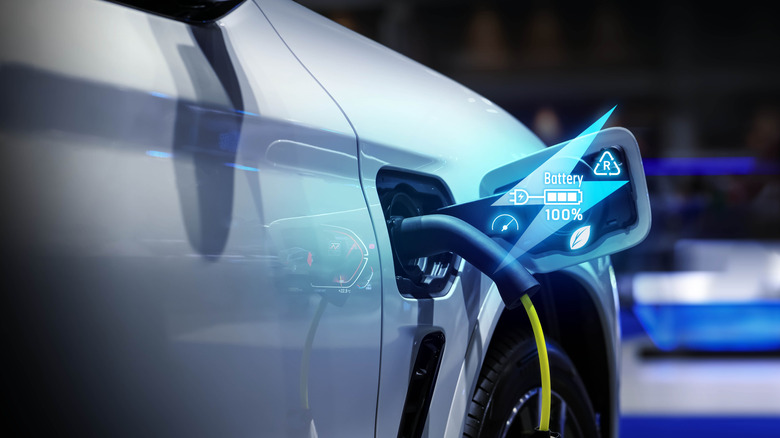
The electric vehicle (EV) industry is looking to diversify beyond lithium-based batteries, and one of the main alternatives being considered is based on sodium-ion. One of the reasons Chinese companies are pouring investments into sodium-ion batteries for EVs is the abundance of raw materials and the potential cost savings they could provide. In early February, China's CATL and Changan Automobile launched the first mass-produced EV powered by a sodium-ion battery pack — a car that could change the future of EV batteries forever. Now, another Chinese car company by the name of Beijing Automotive Group (BAIC Group) has announced its latest breakthrough in sodium-ion batteries, marking yet another milestone toward a dual-battery chemistry future in the EV industry.
BAIC Group claims its new sodium-ion battery prototype can recharge very quickly, thanks to 4C charging support. It claims the battery can be fully charged in just 11 minutes, which is probably faster than the time it takes to charge your current phone. In addition to the impressive recharging speeds, which should help address fast-charging anxiety, the company also says that the battery can operate across a wide temperature range without losing as much capacity as lithium-based batteries.
BAIC says the battery can operate between -40 degrees Fahrenheit and 140 degrees Fahrenheit, and that it retains at least 92% of its capacity at -4 degrees Fahrenheit, which is an important achievement, as current EVs lose much of their capacity during winter. That means it should perform better in extreme cold conditions, unlike the widely used lithium-based batteries.
BAIC Group's sodium-ion battery prototype has its downside
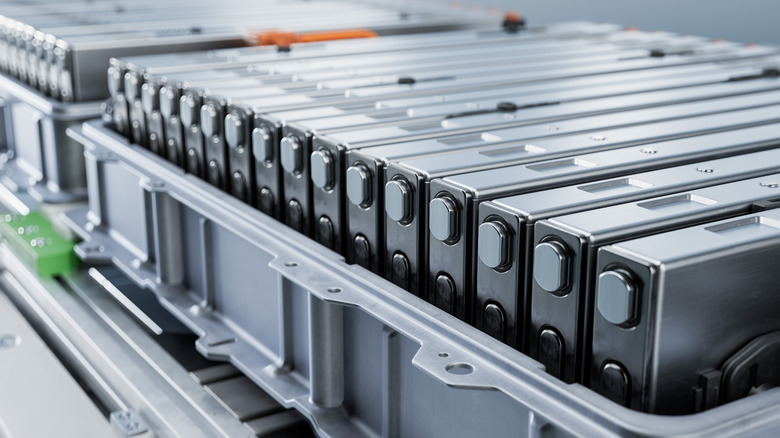
One of the major advantages of sodium-ion batteries is the fact that they can retain more energy capacity than their lithium-based counterparts in cold conditions and are able to operate across a wide temperature range. BAIC's sodium-ion prototype battery pack handles extreme temperatures well, and it can even maintain its structural integrity when subjected to temperatures as high as 392 degrees Fahrenheit, according to the company's tests.
However, the major caveat is the energy density of the battery, or the amount of energy it can hold in proportion to its weight, measured in watt-hours per kilogram (Wh/kg). BAIC's sodium-ion prototype uses a prismatic cell design and has an energy density of 170 Wh/kg based on internal tests. Judging by this figure, it's clear that the company's sodium-ion battery technology is also plagued by the lower energy density of sodium-based chemistries, which is below the 200 to 300 Wh/kg that modern lithium-based batteries have.
For context, CATL's Naxtra sodium-ion battery pack that will power Changan Automobile's Nevo A06 EV offers up to 175 Wh/kg. As a result, BAIC Group is working on addressing the energy density limitation as well as long-term cycle performance. So far, the company has filed 20 sodium-ion-related patents that cover the design, materials, manufacturing processes, and testing methods, which should help advance the technology.
Sodium-ion-powered EVs are on the horizon
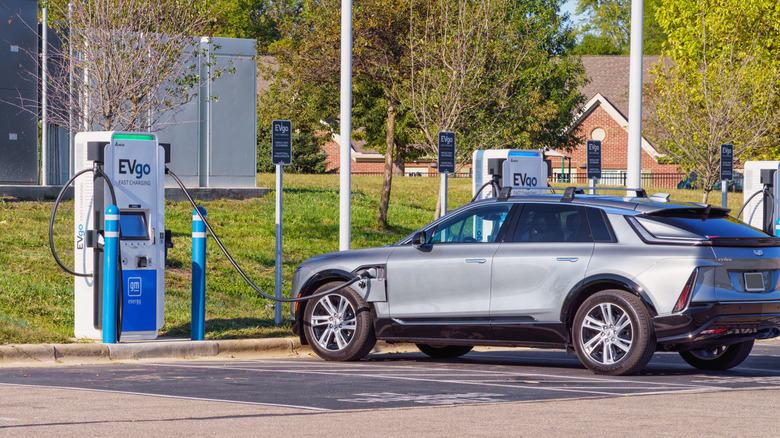
BAIC is working to integrate its sodium-ion battery technology into its existing Aurora Battery platform. So far, the platform already includes lithium-ion and solid-state battery chemistries, and sodium-ion will be the latest addition. Additionally, while the breakthrough in fast charging was achieved on a prototype, we might see the tech make it to future EVs, as the company has already completed process validation for mass production.
However, as of this writing, BAIC hasn't given a specific timeline on when we should expect to see its sodium-ion-powered EVs that can charge in 11 minutes. But before BAIC launches an EV with a sodium-ion battery, the first mass-produced EV with the battery technology is slated to launch in the Chinese market in mid-2026. Generally, research in EV batteries has ramped up over the last few years, and toward the end of 2025, new research was published that found a way to enhance the charging speeds of sodium-ion batteries.
BAIC Group's breakthrough charging speed, even in the prototype phase, presents a step forward, and with continued investment in sodium-ion battery technology, we might see more EVs adopt the technology, especially in the entry-level segment and for use in the snow belt due to their higher energy capacity retention under extreme weather.