

Your TV's Color Accuracy Is More Important Than You Think - Here's Why
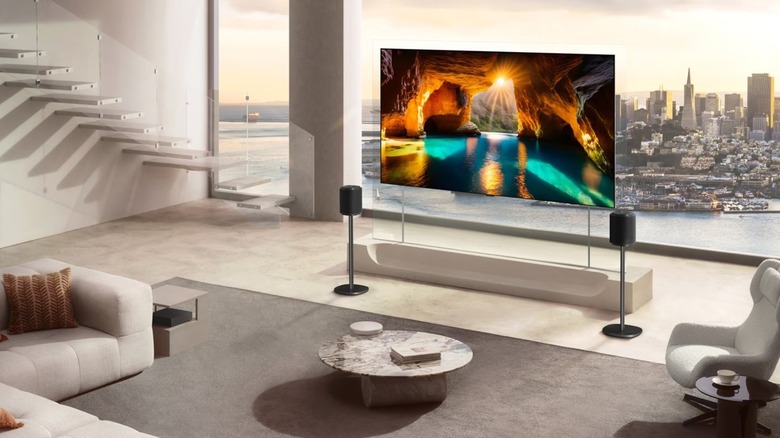
What really makes a difference between the TVs you can get for around $250 and those which cost over $1,000 is color accuracy, which impacts the level of detail you get in the picture. Color accuracy refers to the TV's ability to display the colors intended by the creator. Cheaper TVs tend to have a smaller color gamut (or range), so they have fewer colors to work with. That results in a less vivid picture.
Given how vital color is to any visual media, issues with accuracy can ruin your viewing or gaming experience. After all, an emotional scene meant to evoke sadness with blue hues won't resonate as well if your screen is giving it a yellow tint. Beyond that, color accuracy impacts more than you realize, making it an important factor to consider when purchasing a new TV.
How your TV handles color impacts the brightness and contrast of the picture. OLED and QLED TVs are capable of a wider color range than LCD or LED ones, allowing for more vibrant displays. On the other hand, a TV with a more limited color gamut might wash out an image or make the colors blur together, diminishing details.
Color accuracy can make or break your viewing experience
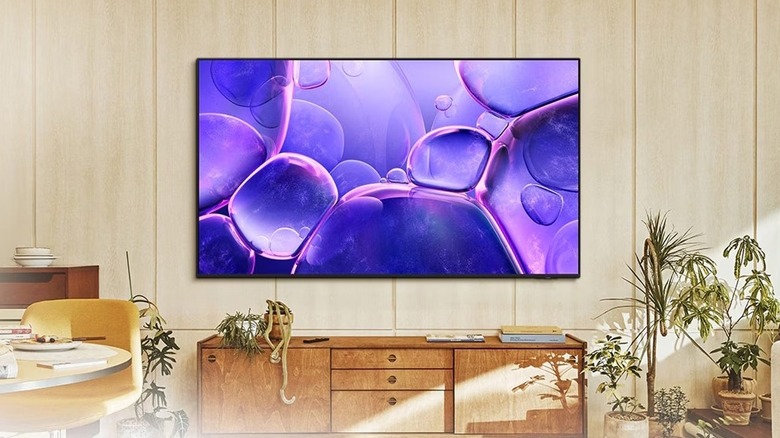
To ensure your TV is displaying the best picture possible, you'll need to calibrate it first. Getting this professionally done is usually expensive and is unnecessary for most, so you're probably best off calibrating your own TV. That involves using color test images to adjust your TV's own settings to balance brightness, contrast, and more until they're to your liking. You can also find reference settings for most TVs if you're not sure what you want the picture to look like.
Finally, if you're shopping for a new TV, make sure you look out for ones that support HDR10+ or Dolby Vision. These video formats are capable of greater color accuracy than older formats like HDR 10. Dolby Vision, in particular, has the potential for a color gamut and maximum brightness that extends beyond what most creators are actually using right now. TVs that support these formats are often on the more expensive side, but they justify their cost in color accuracy and overall visual quality.