

5 Ways To Be Frugal When Buying Electronics

Tech purchases can be expensive, especially if you decide to get the best smartphones, laptops, or smart TVs. With 2026 showing signs of becoming the most expensive year for tech purchases, you shouldn't just buy a product without planning for it — especially now that everyday items are slowly creeping up in price due to the AI boom.
For example, Samsung's Galaxy S26 series has seen a price hike compared to its predecessors, with some configurations costing up to $180 more. We've also seen the Nothing Phone 4(a) launch at higher prices than the previous model.
Fortunately, despite the doom and gloom around the price of electronics, you can still save some cash on your purchases if you learn the tricks of shopping frugally. If you want to buy whatever electronic gadget you need but don't want to pay full price, use the five tips below. You'll save as much money as possible when you go shopping for your next gadget.
Buy second-hand electronics
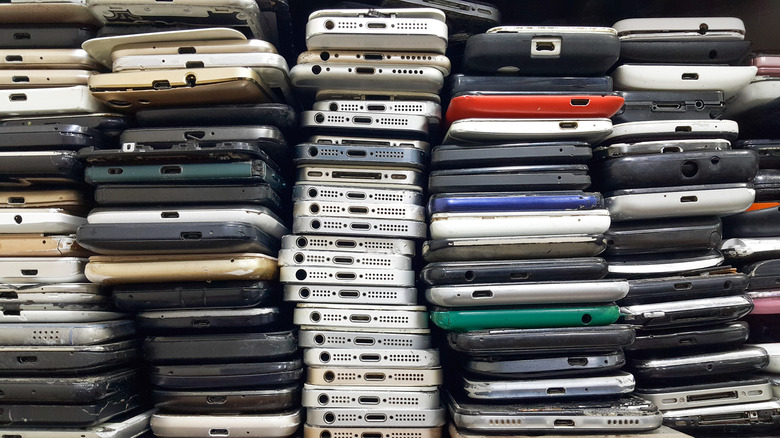
One method of saving money on electronics is to buy second-hand devices. Since you won't be the first person to use the device, it won't be sold at the same price as when it was brand new, as it will probably no longer be in its pristine condition. It might have minor dents or lack features found in newer models on the market.
When buying second-hand electronics, you'll have to pick between used and refurbished products. Used models are those you buy directly from another person, as-is, on platforms such as eBay. Refurbished electronics are used as well, but they might be given a slight makeover before being listed for sale, such as having data wiped, parts replaced, or extra accessories packed in. They may be categorized into different grades based on their condition.
Depending on how frugal you want to be with your next purchase, you can pick between the two. Typically, used electronics are cheaper than refurbished ones, although the latter might come with some form of limited warrantYou can buy used electronics on platforms like eBay, Swappa, and Best Buy. For refurbished products, you can check sites like Amazon, Back Market, Gazelle, and even official company websitesApple, Dell, and Samsung sell refurbished tech at a discounted price.
Time your purchases well

Another way you can be frugal when upgrading your electronics is to shop at the right time. Brands offer discounts periodically but save bigger price cuts for specific times of the year, such as during the holiday season, Black Friday, and Cyber Monday.
But you don't have to postpone your purchase to the end of the year. Various electronic devices are discounted on specific months. For example, TVs and soundbars usually see price drops in January. Smartphones and tablets are discounted in February, while laptops, headphones, and desktops are cheaper in August. This is according to price analysis done by Consumer Reports (CR), a non-profit organization that reviews products to help shoppers make the right buying decision. Once you grasp these patterns, you'll know the right time to upgrade your TV and when to get a new refrigerator.
Additionally, you can leverage retail tracking tools, such as CamelCamelCamel, to watch price changes for a gadget you're interested in. These services are also great to check if the price you're seeing is actually a good deal.
Don't buy extended warranties
When buying electronic devices, the manufacturer of the product typically offers some form of limited warranty for a specific period. The catch with such warranties is that they usually don't cover the most common issues you may have, such as a cracked smartphone screen after accidentally dropping the device.
To address this, manufacturers and some sellers may offer an extended warranty to address the gap in insurance coverage. And when you're buying a new electronic device, you might feel the need to sign up for this service to gain perks like a longer protection period, free repairs after damage from handling, and free replacement — in some cases. But if you want to save cash on your purchase, skip the extended warranty.
You might want to get it to safeguard your expensive purchase, but a survey by CR found that those who purchase these warranties rarely use them. Considering the fact that these extensions can cost as much as $400, a frugal way to shop for electronics is to ignore them. For example, a seven-year extended warranty for Samsung's Bespoke AI 4-Door Flex refrigerator is $400, nearly 10 percent of its suggested price.
Skip the latest models
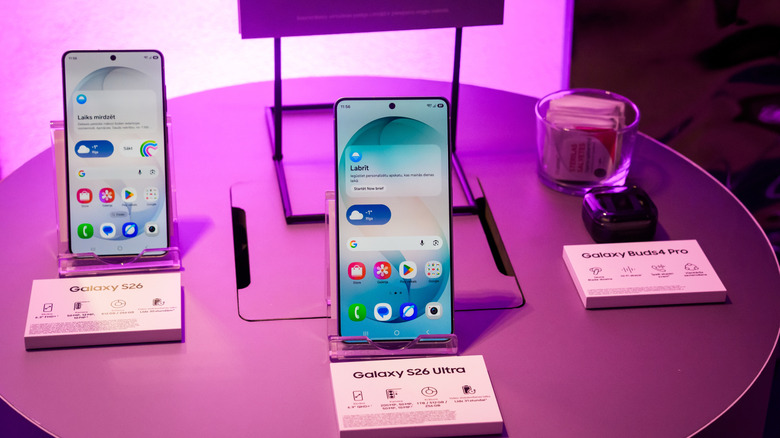
Another strategy to be frugal on your purchases is to delay upgrading your electronics and only buy slightly outdated models. Instead of getting the latest and greatest option, buy a model from the previous year. For example, assuming you have a Samsung Galaxy S24 phone from 2024, you should upgrade to a model from the S25 series instead of going for the S26 lineup.
This strategy saves you money because some companies usually offer discounts on their older devices. Apple is a good example, as it often drops the price of its previous models after launching the new ones. For instance, when the company released the iPhone 17 series, it slashed the prices of the iPhone 16 and iPhone 16 Plus by $100 each, dropping them to $699 and $799.
Another example is LG's C5 TV, which was sold at $2,699 for the 65-inch model. A year later, you can buy it for just $1,399. Now, if you want to get the latest C6 model, you'll have to part with $2,699 for the same 65-inch screen. These examples show the power of waiting and upgrading to last year's model when a new line is released. It only requires being patient and taming the urge to always use the latest gadgets.
Don't buy the high-end models

Devices with more features and better specifications usually are more expensive. If you're interested in saving, you can go for the second-tier model, which might not have all the bells and whistles but costs less than the model at the top of the lineup.
Take the iPhone 17 series, for example. Its base phone starts at $799, while the 17 Pro and 17 Pro Max models start at $1,099 and $1,199. So, if you want to own one of Apple's latest iPhones but have a tight budget, the $799 iPhone 17 is perfect, as it's at least $300 cheaper compared to the rest of the lineup. You can save that extra money or spend it on accessories and services.
Samsung's Galaxy S26 series is another excellent example. The top-of-the-line S26 Ultra starts at $1,300, while the base S26 starts at $900. That means you can still own one of Samsung's flagship phones while saving $400 compared to the high-end Ultra model. That said, this is a great strategy if you detest buying second-hand and don't want to miss out on using the latest electronic devices.