

Is A Kindle Still Worth Buying If You Already Have An iPad?
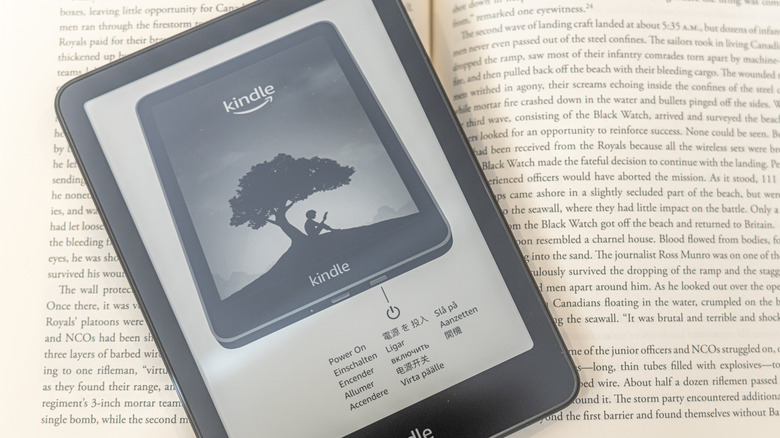
For anyone who already has an iPad at home, buying a Kindle may seem like a purchase that makes no sense at first glance. Apple's tablet is good for many things, since it not only lets you read books, but also includes other functions that go beyond reading — even though there are other Kindle uses to explore. Still, both offer different reading experiences for users.
Even though the answer may seem strange at first, it may be worth buying a Kindle even if you already own an iPad, since each device has different roles. Apple's tablets are good enough for reading but work better for videos, work, and other activities. Meanwhile, Amazon's e-reader offers a much better experience for people who like to read books often.
That is because the Kindle holds some advantages over the iPad in this area. Besides having a battery that can last for weeks, it also has a screen designed to offer more comfort for the reader's eyes and also allows distraction-free reading. So, even though it does not offer the same features as a tablet, the reading experience that it offers makes a big difference.
Kindle's e-ink screen prevents eye strain
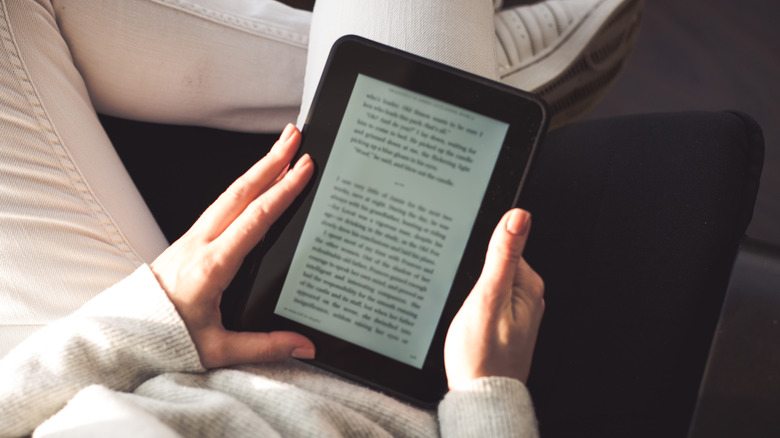
The e-ink display is one of the main advantages that the Kindle has when it comes to reading quality. Most iPads come with an OLED screen, which emits light into your eyes. Typically, it's better for watching videos, though it can help your eyes stay more comfortable over long periods. On the other hand, Kindle uses something called e-ink, which is designed to mimic the feel of paper and has softer light.
That's why a Kindle is better for your eyes than an iPad when it comes to reading. Research suggests that if you are an iPad user, it's possible that you may feel a slight headache or tired eyes after using your tablet for many hours of reading. On the other hand, since your Kindle does not have as strong a light, this built-up fatigue may not be felt as much.
The screens on both gadgets also deliver different experiences when you're away from home. The Kindle ends up as the better option in these cases because it has a matte screen, which works better with natural light in different places without making reading harder. Tablet screens, although they offer more vivid colors, do not make reading as pleasant when you are at the beach, for example.
Kindles also offer distraction-free reading

When using mobile devices, you need to constantly handle notifications, which makes it easy to lose focus while reading. Since iPads were primarily designed as multimedia gadgets rather than reading devices, you have more chances of getting distracted by social media, messages, or games that often sit one tap away.
A Kindle, however, doesn't have the same issue. There's no way for you to check your social media or play while reading, allowing you to concentrate only on the book during that time. Additionally, a Kindle is lighter than an iPad, allowing you to hold it for hours and carry it around more easily, without feeling uncomfortable.
Besides that, the battery autonomy of the devices is also different. An iPad needs to be charged more regularly, like every one or two days, depending on how you use it. Tablets often have a lot of apps running in the background, unlike a Kindle, which only offers some free apps for owners. Due to that limited ecosystem, an e-reader can last for weeks and is the best option for those who don't want to run out of battery while far from a power source.