

Did The Psyonic Bionic Hand Survive After Shark Tank? Here's What Happened After Season 15
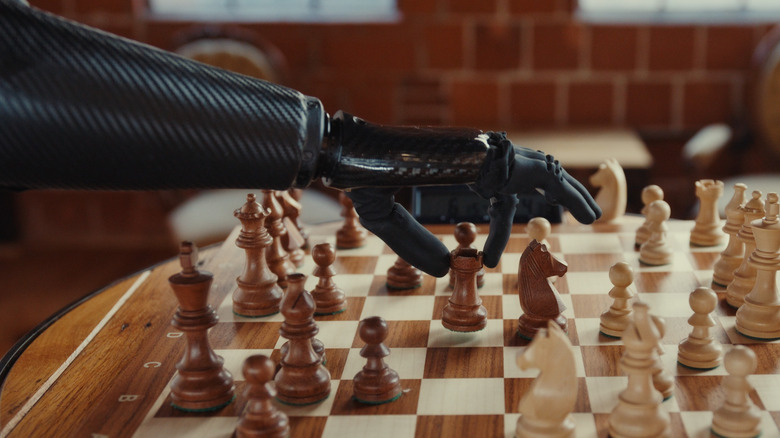
Whether it be from injuries or medical complications, losing one or more limbs has a massive impact on life and what a person can or cannot do. Although there are many different types of prosthetics on the market, not all are made equal or widely available to everyone. However, a company featured on "Shark Tank" Season 15 called Psyonic claimed to be working to change that. The company's CEO and founder, Dr. Aadeel Akhtar, pitched the company in Episode 15 of Season 15 in front of Daymond John, Kevin O'Leary, Lori Greiner, Mark Cuban, and Robert Herjavec — the five investors, or Sharks as they are referred to, present in that episode.
Akhtar showcased the company's bionic hand called Ability Hand, which has touch-sensing ability, incredible durability, and is said to be the world's fastest bionic hand at movements. Although Cuban and Herjavec opted out of investing, John, O'Leary, and Greiner decided to invest a combined $1 million for a total of 6% equity (2% each). This secured the funding Psyonic was seeking.
Although it was a success for Psyonic, we know that not every success story from "Shark Tank" ends up sustaining itself in the real world, and there have been several notable failures. So, what happened to Psyonic after its "Shark Tank" visit? Was it a success like the LARQ water bottle from "Shark Tank" Season 12 or a miss like the Codi Robot from the same season?
Psyonic's Shark Tank deal actually closed with other funding
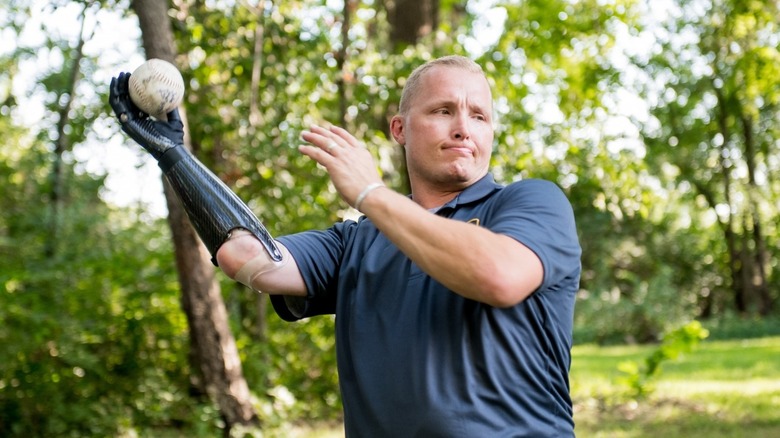
Psyonic, which was founded in 2015, was already in pretty good shape before showing up on "Shark Tank" in February 2024. The company had raised $3.6 million by that time, with much of it coming from a StartEngine crowdfunding campaign. The company had also received $2.4 million in grant funding, with a further $2.7 million set to arrive in 2025. Sharks were also surprised to learn that the Ability Hand was already on sale, as a Food & Drug Administration (FDA)-registered medical design with coverage from Medicare in the U.S. Around 100 people were already sporting an Ability Hand, according to Akhtar's claims on "Shark Tank," with lifetime sales of around $2 million and a profit of around $100,000 in the year before.
Unlike some "Shark Tank" on-air deals, the Psyonic deal did get closed, as the company appears in the investment portfolios of Lori Greiner, Daymond John, and Kevin O'Leary on PitchBook, with the deal date mentioned as February 2025 — one year after the on-air announcement. The company also secured additional funding from StartEngine for a total of $4.1 million at a valuation of $65 million before that deal was finally closed in April 2024. According to the latest update available via San Diego Magazine, Psyonic had secured more than $10 million in equity and grant funding by September 2025.
How is Psyonic doing in early 2026?
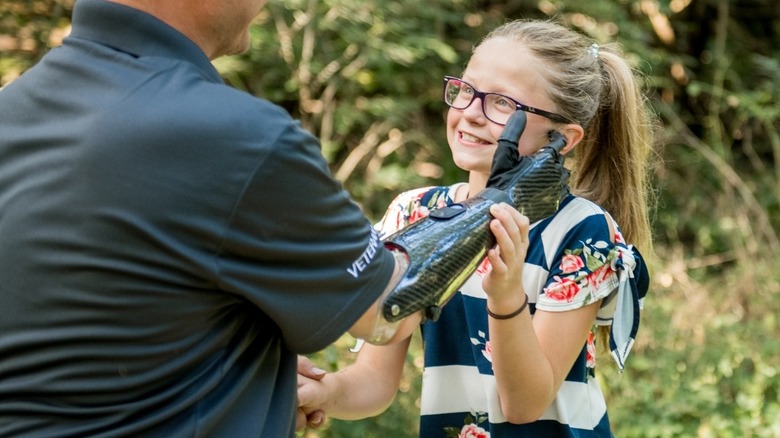
From all the publicly available information, Psyonic seems to be in pretty good shape and is likely a success story coming out of "Shark Tank." The company, which celebrated its 10 year anniversary in 2025, now employs nearly 50 people, up from seven just over three years ago. It has also managed to increase its manufacturing capacity to 150 Ability Hands per month, from just 100 per year at the time of its "Shark Tank" appearance, and is now aiming for 10,000 hands per year. As per an update from Akhtar on LinkedIn, more than 50 robotics companies are using its technology worldwide, and it has over 250 human users. The company is also working with Nvidia to develop AI models for robot dexterity.
Dr. Aadeel Akhtar is still the CEO and founder of the company and continues to promote it through his speaking appearances, social media, and other avenues. The company's website remains the best way to order an Ability Hand, where you can fill out a form, and the company will get back to you. Another robotics-related startup out of "Shark Tank" Season 15, the Chefee Robotic Chef, also seems to be faring pretty well and is on track for its 2026 availability.