

4 Reasons Audiophiles Choose Turntables Over Record Players
We may receive a commission on purchases made from links.
Unless you're an audiophile, you may not know there's a difference between a record player and a turntable. Traditionally, a standard record player is an all-in-one device, meaning it includes built-in speakers and an amp to power them, but the downside is that you can't always easily replace its components, which is why record players tend to lean towards the cheaper side, like the low-cost generic suitcase players at electronic stores. On the other hand, a turntable requires external components to function, like a pre-amp and a Hi-Fi sound system, allowing for a much more dialed-in premium sound.
This is why audiophiles prefer turntables for their vinyl listening sessions; they can add one to their existing sound system, with a bevy of components on the market to dial in a perfect setup. From new needles that range in material and sound, to a wide selection of pre-amps, amps, equalizers, and speakers. Add to that the addictiveness of collecting physical vinyl in an ephemeral digital age, while supporting your favorite bands and building a collection that deserves to be played with top gear, which pushes the need for performance hardware. The hobbyist aspect of audiophilia shouldn't be ignored.
Vinyl records are an analog format, but it doesn't mean you can't enjoy their warm sound through a digital system, opening the possibility to record your vinyl, perfect for snagging samples for your next digital DJing session (reducing wear and tear on your most prized albums). That's to say, despite the aging analog tech, newer turntables have embraced the digital world with plug-and-play USB compatibility and Bluetooth support. So whether you require digital sound or prefer to keep things analog, here are the top four reasons why audiophiles prefer turntables over record players.
Analog is often preferred for its rich, warm, and natural sound
The most important thing when it comes to music is how good it sounds, and as any audiophile knows, specialized equipment like turntables can help to elevate that sound. Despite the subjectivity of what "good" means, vinyl records are often perceived to offer a richer, warmer sound than digital recordings. This holds especially true for vinyl that's mixed specifically for the format, offering a different sound compared to digital mixes and remasters. Notably, vinyl mastering is seeing something of a resurgence, thanks to the renewed popularity of vinyl records in general, which means buying and listening to vinyl on a turntable can offer an experience you won't find on digital streaming services.
Not only can you expect a unique sound (thanks to the medium's imperfections), but you also get the added benefit of picking up new and old albums that offer a vinyl mix you won't find on any other format. The appeal for audiophiles is clear, which should also appeal to collectors, two areas that have a lot of crossover in the general audiophile hobby, which is what many consider collecting vinyl to be. At the end of the day, it's the appreciation of music, how pleasing one can make it sound, and how it's mixed that all combine into a platform any audiophile at any level of their musical journey can appreciate with their turntable.
Even if you don't agree with the subjective statement that vinyl sounds warmer, you can still enjoy vinyl mixes that are totally different from their digital brethren. Ultimately, vinyl's unique sound is one of the top reasons audiophiles prefer turntables, allowing them to enjoy every ounce of the format's distinctive sonic character.
Building a physical library is rewarding for everyone involved
Never discount the addictiveness of building out a sizeable collection of vinyl records. Even movies have glorified the joys of buying records, like John Cusack's "High Fidelity." Perhaps it's one of the more nostalgia-driven reasons why audiophiles prefer turntables over record players, awash in the comfort of surrounding oneself with coveted goods. Not only do you get a collectible physical album for your money, but you're also supporting the band that recorded it in a day and age where digital streams earn them pennies.
By purchasing vinyl, you're feeding your collection/hobby, but also helping to keep bands active and recording new music in the future, thanks to your funds. This way, you're not limited to attending shows just to show your support for your favorite artists, which is why many bands offer their own Bandcamp page to sell their albums directly to fans. Everybody wins in this situation, both the artist and the consumer, much like the old days.
Similar to Gen Z's resurgence of collecting physical media like DVDs and CDs, having a physical copy on hand, even an analog one, not only safeguards against the possibility of future streaming censorship, but ensures you have a physical version that can be easily ripped into a digital format anytime you want (more on that below). Hard backups in the age of ephemeral digital goods are already proving to not be a bad idea. Thus, if you're an audiophile who collects, it stands to reason you'll be playing that collectible vinyl on hardware that can do it justice, like a dedicated turntable.
Easily bring your analog vinyl collection into the digital world
The right turntable makes it easy to record every vinyl record in your collection, bridging the gap between analog and digital, allowing you to experience the best of both worlds in one fell swoop. Plenty of turntable manufacturers offer a model with a built-in digital DAC to output audio over USB, including giants like the Pioneer PLX-500-W. Simply connect a USB turntable to a PC, launch your favorite recording software, such as Audacity, and record your favorite albums in your preferred digital codec, perhaps hi-res FLAC. It's that easy.
Even if you aren't interested in recording vinyl records, but would still prefer the option to listen to a turntable through a digital speaker system, many models actually support Bluetooth these days, like the Sony PS-LX310BT. This way, you can stream your records to your favorite wireless Bluetooth speakers with ease. Not only is this a quick way to listen to analog music like vinyl on a digital system, but you also won't have to deal with the headache of forcing your computer's OS to recognize a USB port as a sound input.
In either case, with the right turntable, you can enjoy your records with pure analog output or digital, thus negating the more common issue when dealing with a typical record player that doesn't offer Bluetooth or a USB out. Once again, turntables win, this time thanks to their versatility of features and function, opening the door to recording, which is another significant reason why many audiophiles prefer them.
The ritual of playing a record is a much more personal experience
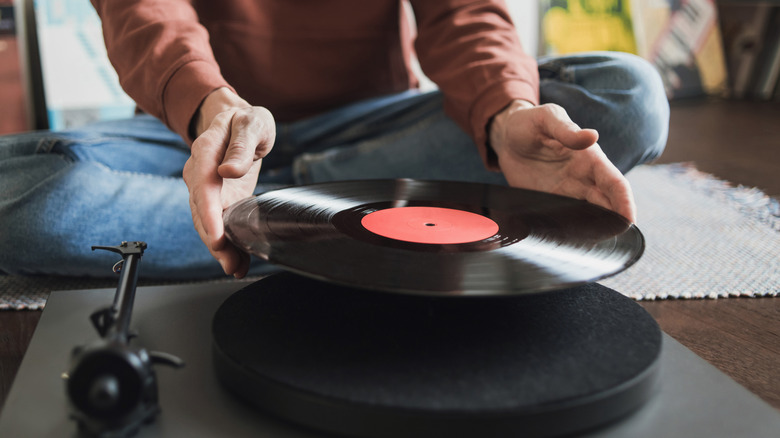
Little effort is required to start a Spotify stream. The ease of use is off the charts, but there's also less of a connection when there's no physicality to the music; you simply choose something and start listening. Conversely, playing a vinyl record takes time, purpose, and there's no mistaking the feel, smell, and sound of doing so, especially when coupled with a turntable (and Hi-Fi system) for a more premium listening experience compared to an all-in-one record player.
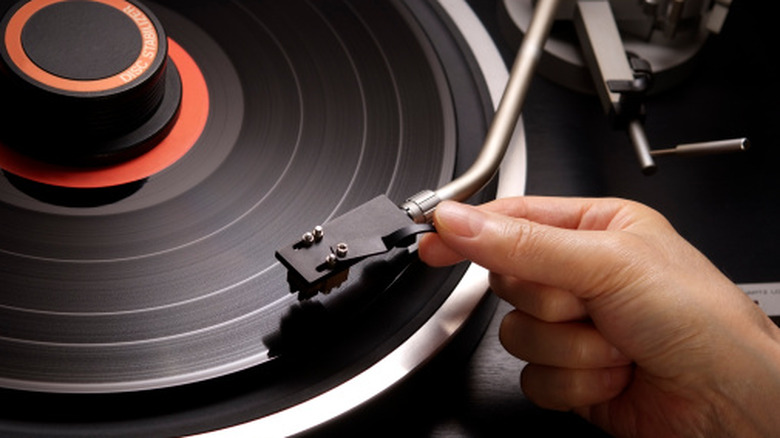
First, you have to get up and browse your shelf, then pull out an album. From here, you have to de-sleeve it, open the jacket, and then you can not only enjoy the cover art, but the inside/rear art as well, all while poring over the track names and lengths. Then you have to take the record sleeve out, carefully. At this point, you can de-lid your turntable, lift the record weight off the spindle, place the album, replace the weight, turn on the player, clean the vinyl, then unlock the needle arm and then move it in place to drop it, and perhaps put the turntable's lid back on. No cheap record player designed for quickly playing music (much like Spotify) can stack up to this ritualistic turntable experience.
By elevating the means by which you listen to music through the use of a turntable, rather than slapping any 'ol album on a simple record player, you're allowing yourself to bask in the process as well as the medium. This is why turntables are often the preferred tool that allows music lovers to get up close and personal with their media, it's the bread and butter of anyone who calls themself an audiophile.